







Archaeological excavations at the ancient city of Pompeiopolis, the Roman imperial capital of the Paphlagonia region located in the Taşköprü district of Kastamonu, have revealed remarkable findings spanning the Roman Imperial Era to Late Antiquity. The announcement was made by Minister of Culture and Tourism Mehmet Nuri Ersoy via his official social media accounts.
Excavation works at the Basilica structure, initially launched in 2025 and continued throughout 2026, shed light on the architectural and religious evolution of the ancient metropolis.
105-Square-Meter Floor Mosaic and Eros Sculpture
Key discoveries from the 2026 excavation campaign include:
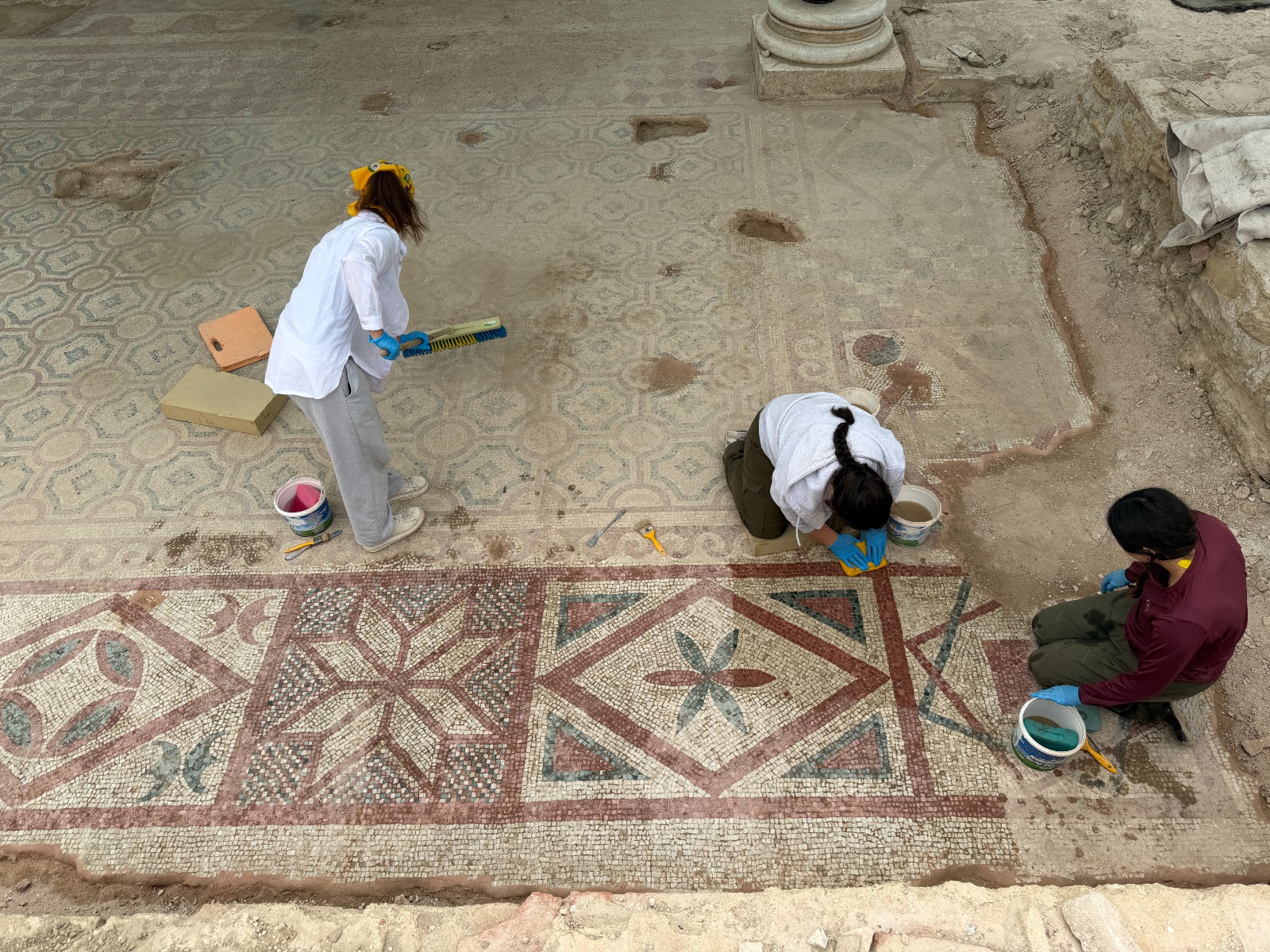
4th-Century Floor Mosaic: Excavations within the central nave of the Basilica revealed roughly 105 square meters of geometric mosaic flooring dating to the 4th century AD. Following prompt conservation measures to stabilize the surfaces, excavation teams continue clearing the remaining sections across the nave.
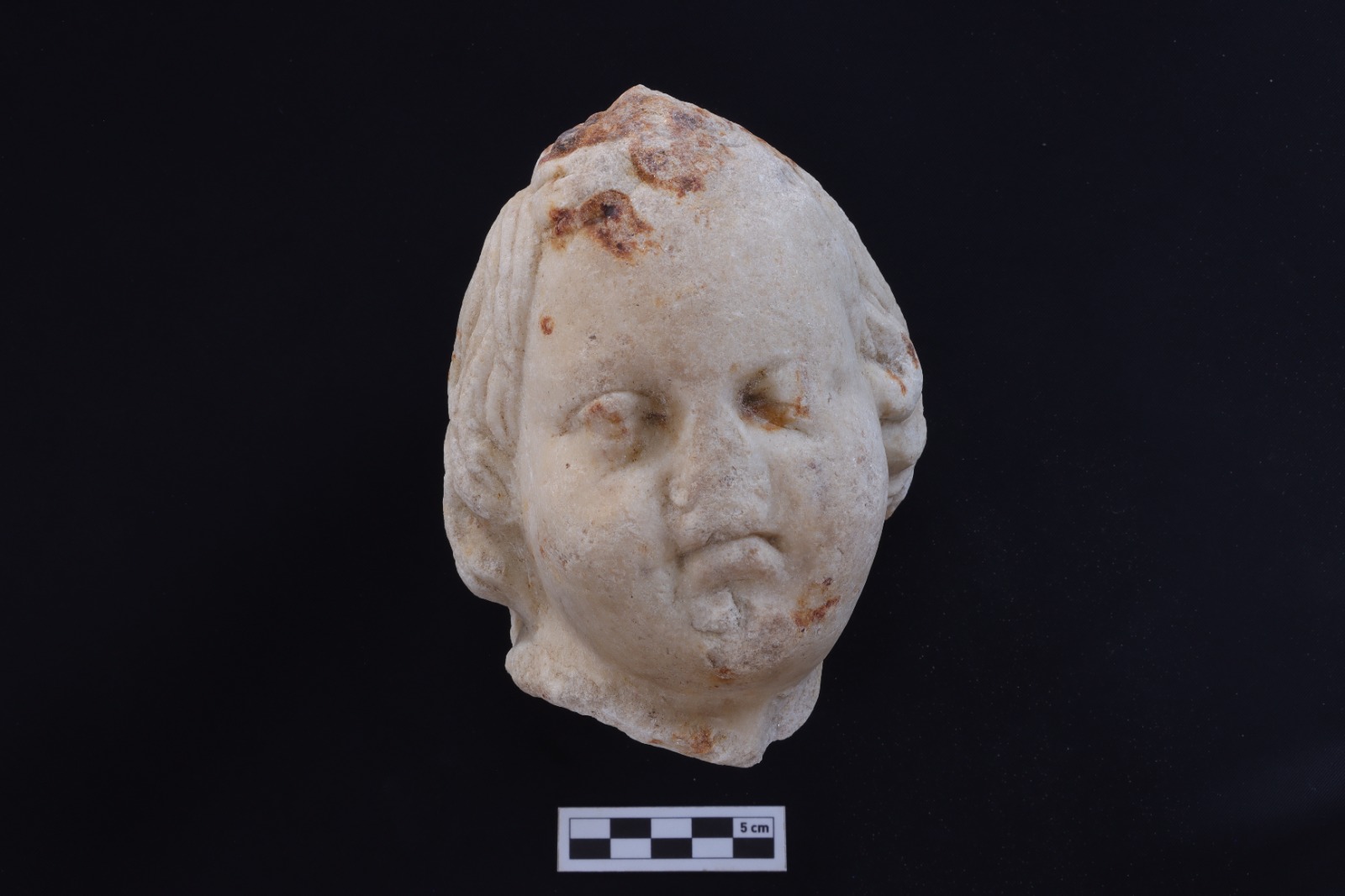
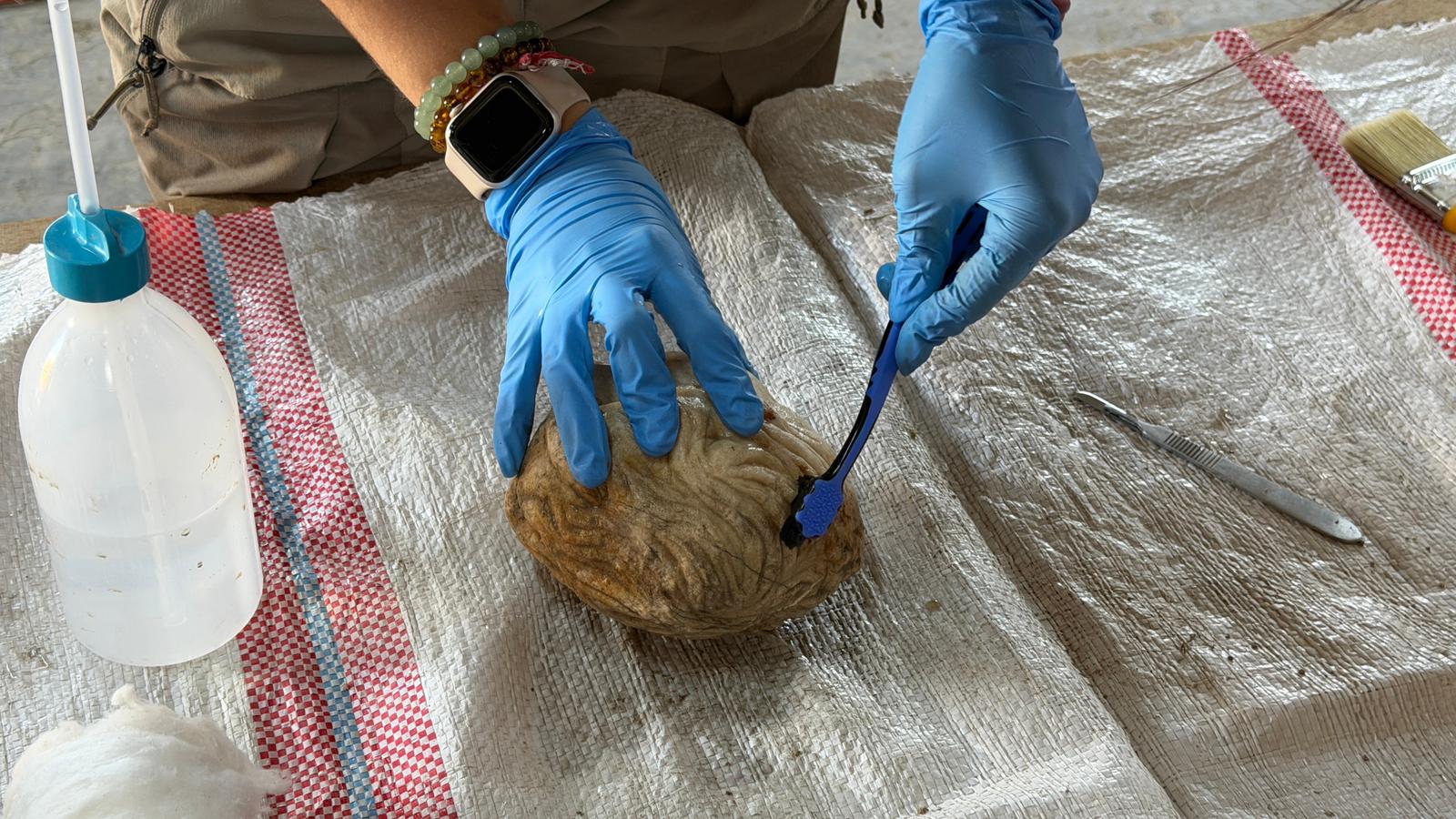
Roman Imperial Eros Head: Uncovered in the Pastophorion chamber of the complex, a sculptural head of Eros dating to the second half of the 2nd century AD provides fresh insights into the artistic and cultural climate of Roman Pompeiopolis.
 Pompeiopolis
Architectural Transformation from Roman Capital to Episcopal Seat
Architectural markers and stratigraphic data evaluate the initial construction phase of the Basilica to the second half of the 2nd century AD (circa 150–160 AD).
Reflecting Pompeiopolis's rise as an episcopal center in the 5th century AD, the architectural alterations, ornamental reliefs, and floor mosaics correspond to the Christianization of the city and its administrative realignment during Late Antiquity. Comprehensive conservation and documentation work will continue to expose the building's complete layout and usage phases.
 Pompeiopolis in Kastamonu
Statement from Minister of Culture and Tourism Mehmet Nuri Ersoy
Mehmet Nuri Ersoy, Minister of Culture and Tourism, stated:
“We have uncovered approximately 105 square meters of well-preserved floor mosaics featuring geometric compositions, dating to the 4th century AD. The mosaic flooring in the central nave has not yet been fully exposed; our excavations are ongoing. During our 2026 campaign, an Eros head dating to the second half of the 2nd century AD was also brought to light. The initial construction phase of the basilica also dates back to the second half of the 2nd century AD. Through systematic excavation, documentation, and conservation, we continue to holistically reveal the urban and religious history of Pompeiopolis.”