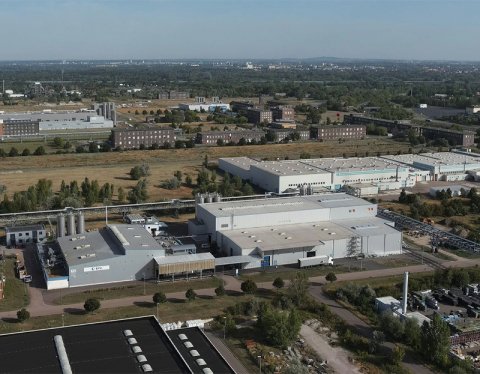






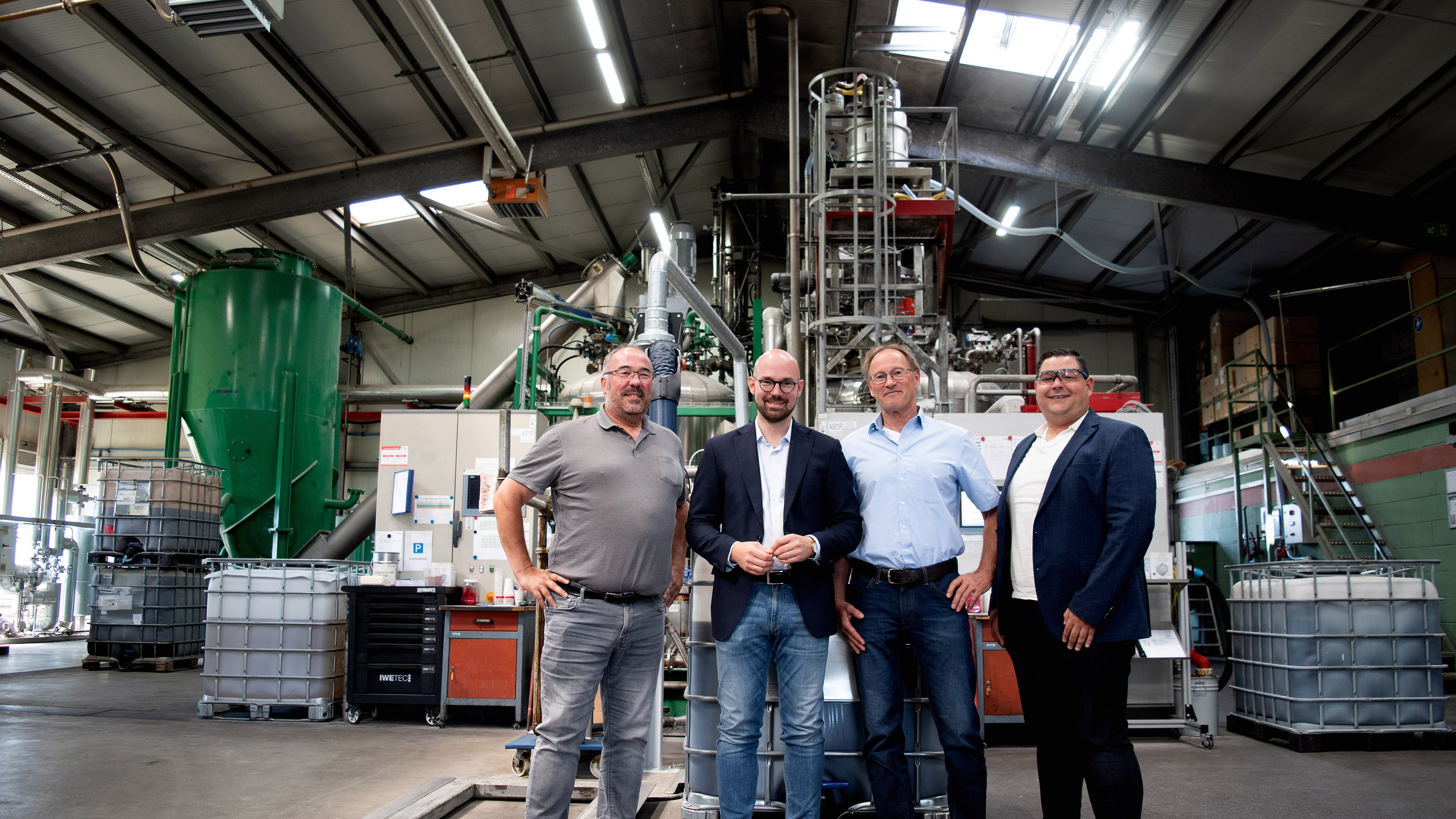
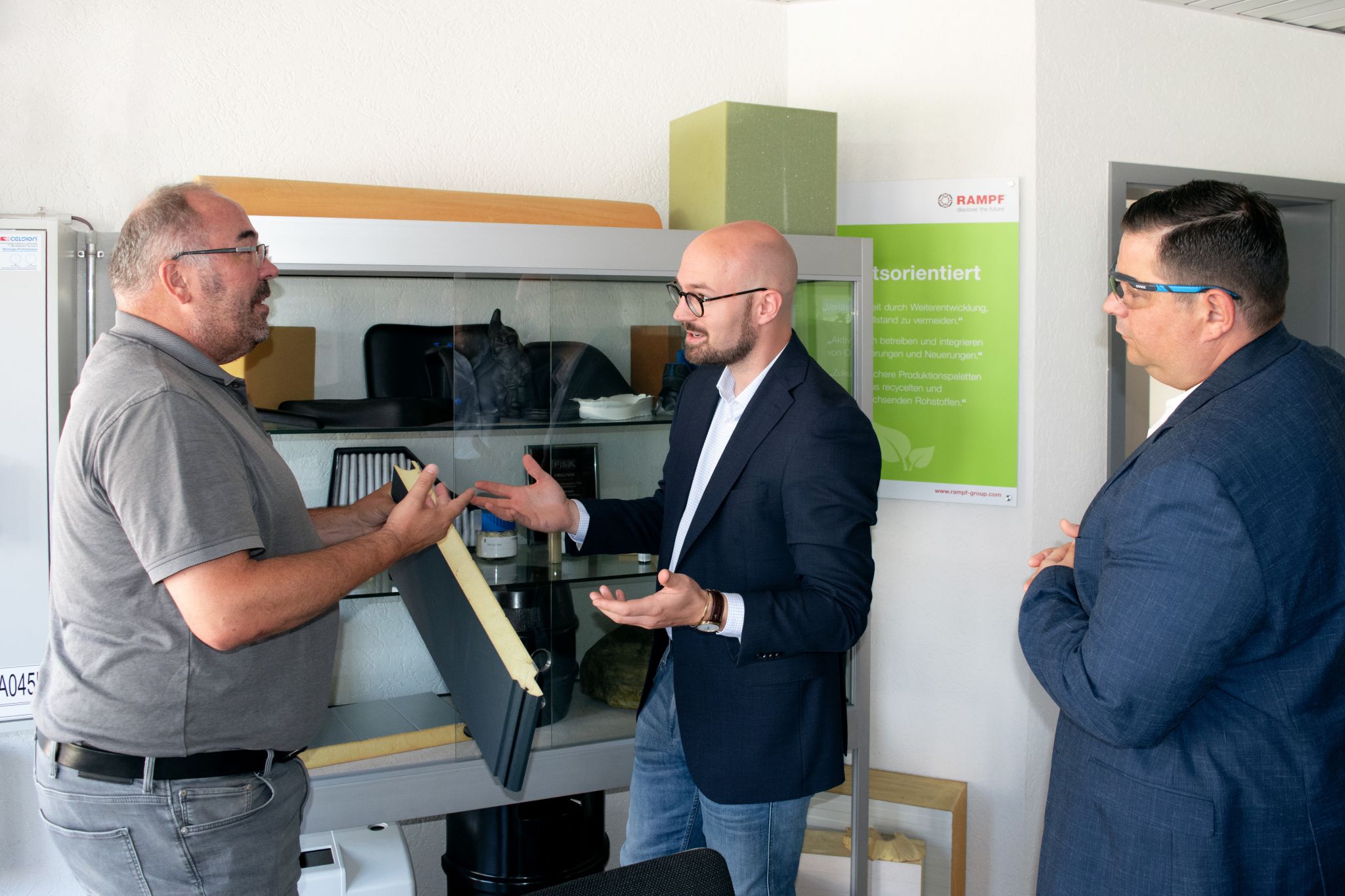
Industrial resource efficiency and chemical upcycling took center stage during an official parliamentary visit to RAMPF Advanced Polymers. Touring two of Europe’s largest multifunctional recycling facilities, Bundestag MP Florian Bilic emphasized that the circular economy represents both an ecological imperative and a strategic opportunity to build sustainable industrial value within Germany.
The dialogue highlighted technical pathways to convert complex plastic waste streams into high-performance polyol feedstocks, replacing conventional crude oil derivatives.
Advanced Solvolysis and High-Performance Recycled Polyols
For over three decades, the RAMPF Group has engineered chemical recycling methods at its Pirmasens site, specializing in the chemical breakdown and upcycling of complex polymers:
Proprietary Solvolysis Process: Using custom solvolysis lines, post-industrial and post-consumer polyurethane (PU) and PET waste are depolymerized into tailor-made recycled polyols.
Emissions Footprint Reduction: RAMPF’s recycled polyol systems achieve a CO2 footprint reduction exceeding 40% compared to virgin petroleum-based polyols. The output materials are deployed across high-specification applications, including thermal insulation and industrial tooling boards.
Renewable Feedstock Integration: Beyond post-use plastics, RAMPF integrates bio-based renewable raw materials, such as castor oil and rapeseed oil, into its synthesis lines to offer bio-polyol variants.
Regulatory Frameworks and Market-Driven Recycling Quotas
Industry executives and parliamentary representatives addressed the economic gap between virgin petroleum feedstocks and chemically recycled polyols, calling for pragmatic, scalable quota models.
Michael Kugler, Director of Sustainability at RAMPF Advanced Polymers:
"Recycling quotas must strike the right balance between ambition and practicality. Policymakers and industry need to jointly define a technically feasible and economically viable starting point that creates genuine market momentum. As technologies and markets continue to develop positively, the quota can be increased step by step."
Regional Industrial Transformation
The site visit underscored the strategic transition of the Pirmasens region from a historical footwear manufacturing hub into a specialized center for chemical recycling and polyurethane circularity.
Marco Werth, Director Business Center Recycling Polyols at RAMPF Advanced Polymers:
"The region has a unique opportunity to transform itself from Germany’s traditional shoe capital into a leading center for chemical recycling. To make this vision a reality, supportive regulatory frameworks at both the German and European levels are needed to encourage investment and accelerate the circular economy."