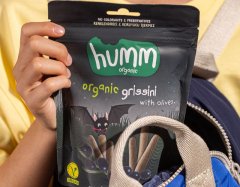




Whether packed into school lunchboxes, consumed during travel, or served during routine outdoor play, snacks constitute a regular component of children's daily dietary intake. This daily frequency has heightened consumer scrutiny regarding raw material purity, processing additives, and supply chain accountability.
The nationwide research highlights a structured shift in parental purchase criteria: brand credibility ranks highest at 25%, followed closely by verified organic certification at 23%, unprocessed/clean ingredient profiles at 22%, and overall nutritional density at 16%. Among frequent brand consumers, verified organic compliance becomes the predominant differentiator at 58%.

Expert Guidance from Nutrition Consultant Dr. Müge Özyurt
Evaluating the clinical and behavioral implications of the data, Dr. Müge Özyurt, Nutrition Consultant and Dietitian at Humm Organic, remarked:
“It is essential for parents to scrutinize raw material integrity and seek substantiated product claims when curating children's diets. Organic certification serves as a verified indicator that the agricultural inputs and manufacturing steps adhere to strict non-chemical standards. However, certification must be evaluated alongside the full ingredient profile; parents should inspect ingredient lists, comprehend macro- and micronutrient distributions, and measure how a given snack integrates into the child’s broader caloric regimen.
Snacking is a functional element of a child’s routine. Needs differ whether an item is packed in a school bag, utilized during transit, or served during recreation. Rather than relying on uniform solutions, prioritizing dietary diversity and actively involving children in age-appropriate food choices fosters healthy relationship models with nutrition. Guided snack selections thereby transition from short-term caloric convenience into durable, lifelong eating habits.”