







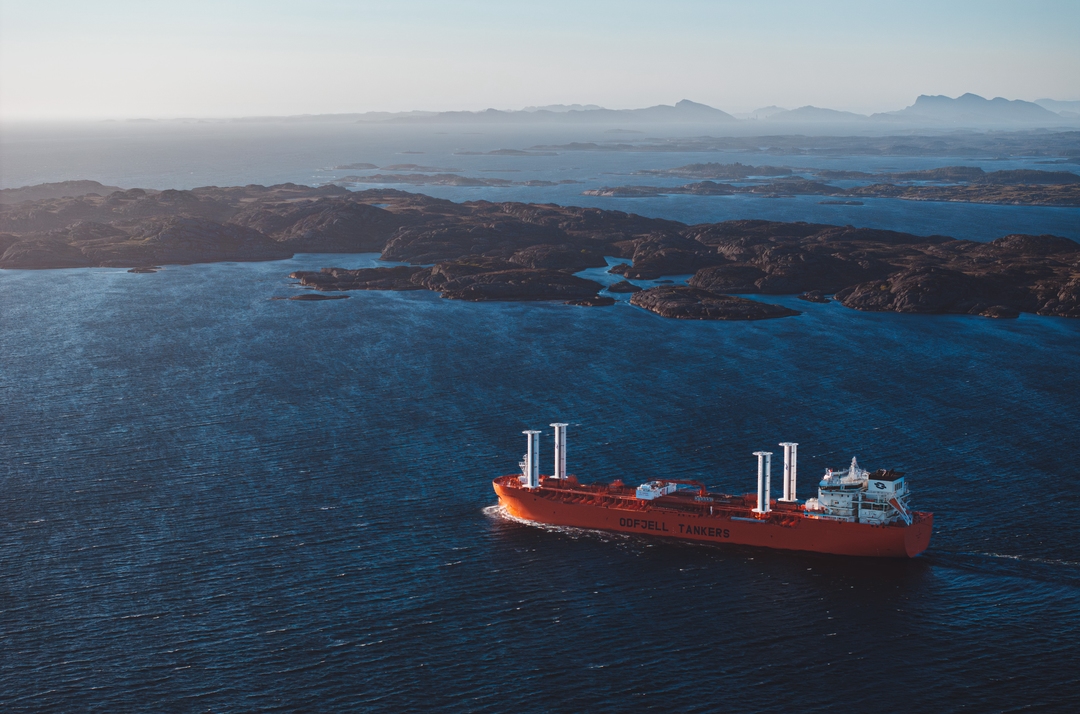
During the company’s Q2 2026 earnings presentation on August 21, CEO Harald Fotland highlighted that initial rate spikes observed both West and East of Suez tapered toward quarter-end but stabilized at robust baseline levels.
Odfjell transported 3.2 million metric tonnes during Q2, holding flat sequentially against Q1 but tracking below 2025 averages due to Middle East Gulf logistical bottlenecks.
Cargo Mix Shifts Toward Biofuels and Vegoils
Declines in commodity and specialty chemicals—stemming from Persian Gulf export disruptions that higher US and Asian shipments could not fully offset—were cushioned by rising vegetable oil and biofuel volumes:
Vegetable oils and biofuels expanded to 19% of total carried volumes, up from 12% in prior periods and an 8% average throughout 2025.
Geopolitical fragmentation across the Black Sea, Red Sea, Eastern Mediterranean, and Somali basin concurrently inflated ton-mile demand via route diversions.
Newbuilding deliveries scheduled through 2027 are expected to be balanced by fleet recycling and minimal swing tonnage inflows from clean product tankers.
Fotland added that anticipated September transit restrictions by the Panama Canal Authority due to drought conditions will provide additional rate support, as chemical tankers lack preferential transit slots.