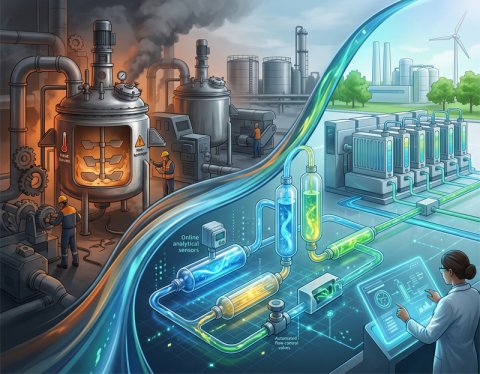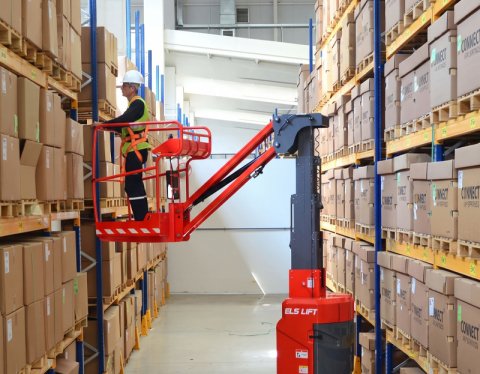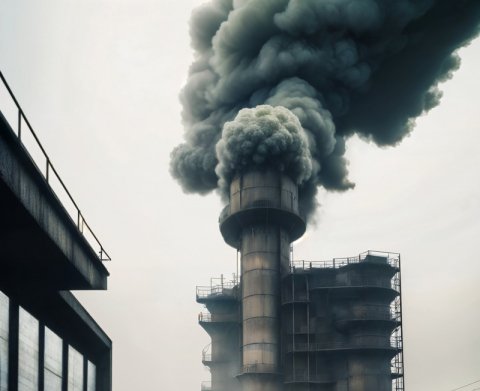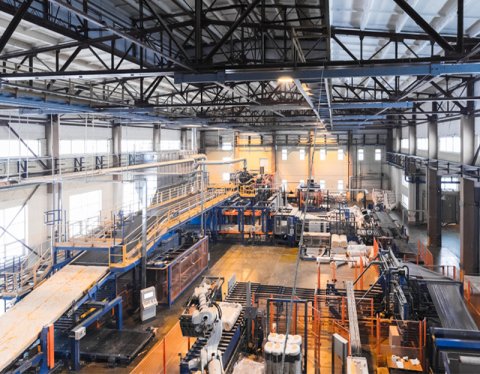









The industrial mindset of the past was built on giant chimneys, noisy machinery, and intensive manual labor. Today, however, a much quieter and deeper transformation is taking place at the heart of factories. Process technologies have evolved into a flawless orchestra where every bit of data, energy, and time is optimized. Complexity is being replaced by efficiency distilled through technology.
What is the Invisible Evolution?
The evolution of industrial processes is no longer just about massive, visible machinery changes. This evolution happens through "smart algorithms" and "digital twins" embedded within systems. When AI detects and corrects a millisecond delay in a production line, it creates a much larger jump in efficiency than any physical revolution could. This is the invisible evolution of industry.
1. Predictive Technologies: Solving Problems Before They Occur
In the past, when a machine broke down, production stopped and the repair process began. Today, through Proactive Process Management, sensors monitor the "pulse" of the machinery. By analyzing the heat of a bearing or the vibration of a motor, failures are predicted days in advance. This "Predictive Maintenance" transforms complexity into manageable data.
2. Resource Optimization and Sustainability
The greatest success of modern process technologies is taking the principle of "minimum input for maximum output" to the next level. Under the pressure of regulations and sustainability, industrial organizations use digital systems to track and optimize water usage, carbon footprints, and waste levels. Efficiency is not just a profit margin; it is a production model in harmony with the planet.
3. From Automation to Autonomous Systems
Automation is a machine performing a task on command. Autonomous systems, however, analyze the situation and make their own decisions. This transition in process technologies standardizes production speed and quality while minimizing human error. Complex production schemes become fluid and lean thanks to autonomous software.
In conclusion, this invisible evolution in the industrial world transforms complexity from a hurdle into the most powerful fuel for efficiency. In this journey from automation to autonomous systems, success is measured not just by owning the fastest machinery, but by the ability to convert data into strategy and technology into a sustainable future. In this new era of industry, complexity is no longer a daunting unknown; it is a 'smart system' that provides a competitive advantage when managed with the right tools. The future belongs to those who embrace this evolution today