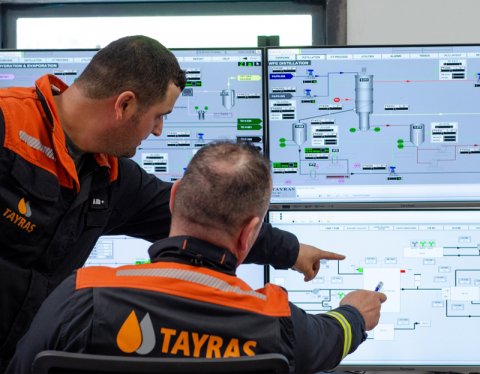









Operating in industrial automation and digital transformation technologies, Rockwell Automation has executed a comprehensive safety project to bolster worker and machine safety at Beypiliç's new processing facility in Turkey.
Realized with local implementation and coordination support from AB Market Elektrik Otomasyon, an authorized member and value-added distributor of the Rockwell Automation PartnerNetwork™ ecosystem, the project established a standardized safety infrastructure aligned with international standards.
Approximately 2,000 Safety Devices Deployed
Under Beypiliç's new meat processing facility investment, all electrical control panel doors across the plant were secured to mitigate operational and maintenance risks. Access points are monitored non-contact, minimizing exposure risks to moving or energized equipment. Following completion, approximately 2,000 safety devices were commissioned.
The application utilized Allen-Bradley® 440N Ferrogard® GD2 non-contact safety interlock switches, designed specifically for wet and high-hygiene food processing environments. Featuring an IP68-rated stainless steel construction, these devices offer resistance to water and corrosion during frequent washdown and sanitation procedures.
Executive Statements
Fatih Üzümcü, Country Manager of Rockwell Automation Turkey:
Beypiliç treated safety as one of the core elements of the project from the very first day of planning this new facility. Thanks to this standardized and solution-oriented approach, legal requirements were met, and a safer working environment was created for daily operations and maintenance processes. This project demonstrates that safety can be designed as an integral part of facility design rather than an afterthought.
Coşan Kuzu, Regional Sales Manager at AB Market:
Projects of this scale require strong coordination from the initial planning stage. Working in close cooperation with Rockwell Automation and Beypiliç, we contributed to implementing a consistent safety approach across the plant while supporting local implementation, regulatory compliance, and long-term operational requirements.