







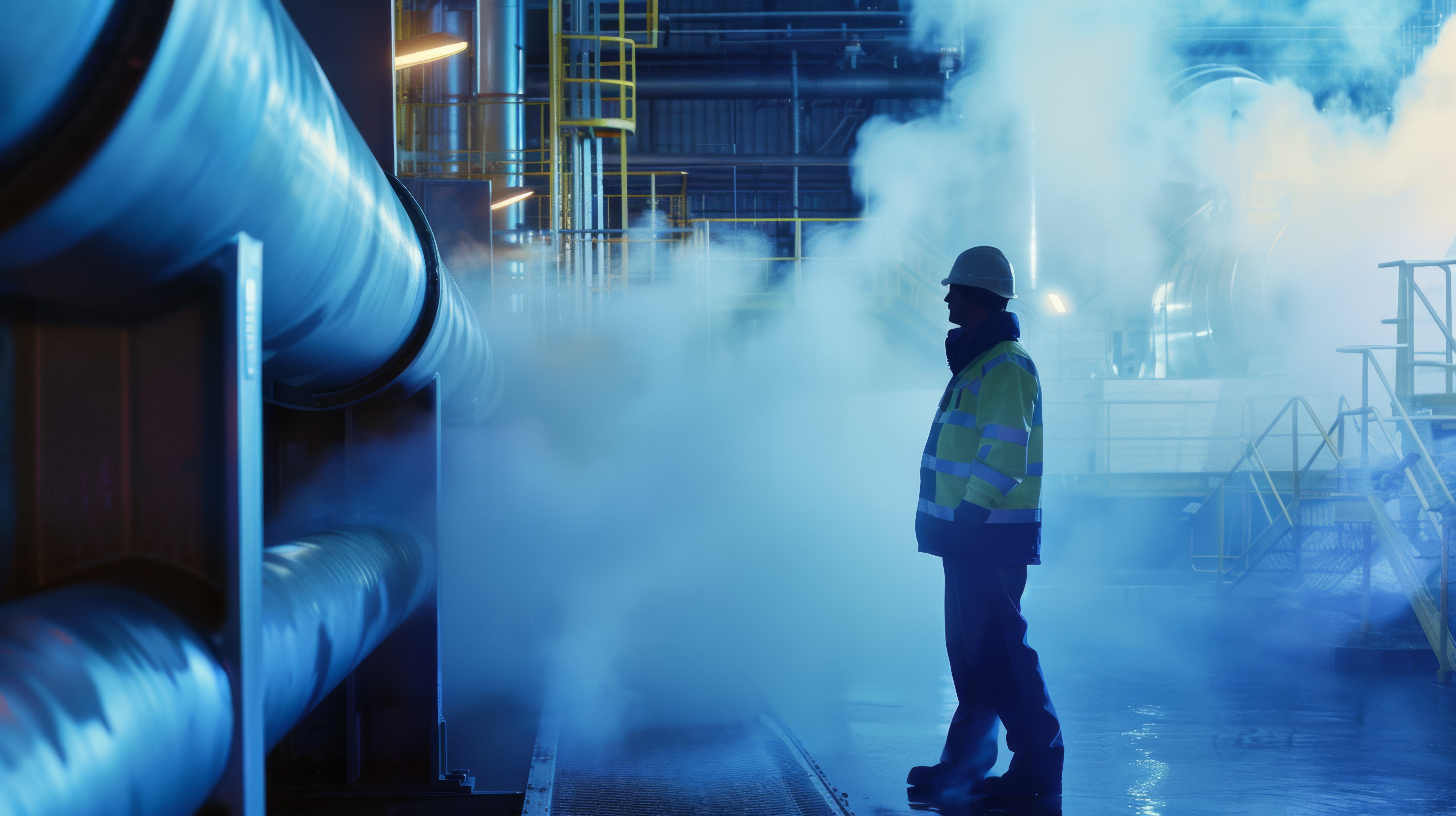
The operational safety profile of the US chemical and industrial processing sector is showing signs of regression. According to data compelled from the Chemical Safety and Hazard Investigation Board (CSB) following active litigation by PEER, industrial accidents triggering chemical atmospheric releases expanded from 83 incidents in 2021 to 131 in 2025, marking a 51% statistical increase. Concurrently, events yielding acute injuries or fatalities moved from 60 to 89 within the same timeframe.
Regulatory analysts suggest these indices represent an undercount, given that the underlying tracking metrics isolate atmospheric emissions and omit internal occupational poisoning events. Recent severe disruptions, such as a storage tank failure in Garden Grove, California, forcing the evacuation of 40,000 citizens, and a deadly containment breach in Longview, Washington, that killed 11 paper mill operators—highlight the vulnerabilities of aging industrial assets.
Dismantling the 2024 Risk Management Program Framework
Under the statutory authority of the Clean Air Act, the US EPA’s Risk Management Program (RMP) mandates rigorous safety blueprints for more than 12,500 high-risk chemical facilities. Strengthened under the previous administration in 2024, these guidelines forced hazardous sites to deploy advanced mitigation technologies, including automated fail-safe kill switches, non-hazardous chemical substitutions, and contingency protocols engineered for compounding disasters—such as chemical fires triggered by extreme weather events like hurricanes or earthquakes.
The current EPA executive strategy aims to systematically undo the core tenets of the 2024 modernization update through formal federal rule-making processes:
Information Restitution: The administration has already deactivated a public-facing portal designed to inform localized fence-line communities and first responders of the specific chemical inventories held at regional facilities.
Defunding the Chemical Safety Board: The executive budget outlines the complete elimination of the CSB’s $14 million operating allocation. Despite being a non-regulatory advisory body, the industry historically implements roughly 90% of the safety parameters recommended by the board.
Shifting Operational Risk to Fence-Line Communities
Environmental policy advocacy groups argue that defunding and weakening structural oversight effectively externalizes chemical manufacturing liabilities away from private corporations and onto facility personnel and neighboring populations. Demographically, approximately 40% of the US population resides within a three-mile radius of at least one designated high-risk chemical plant. The proposed administrative rollbacks are projected to achieve final structural codification by the fall.