






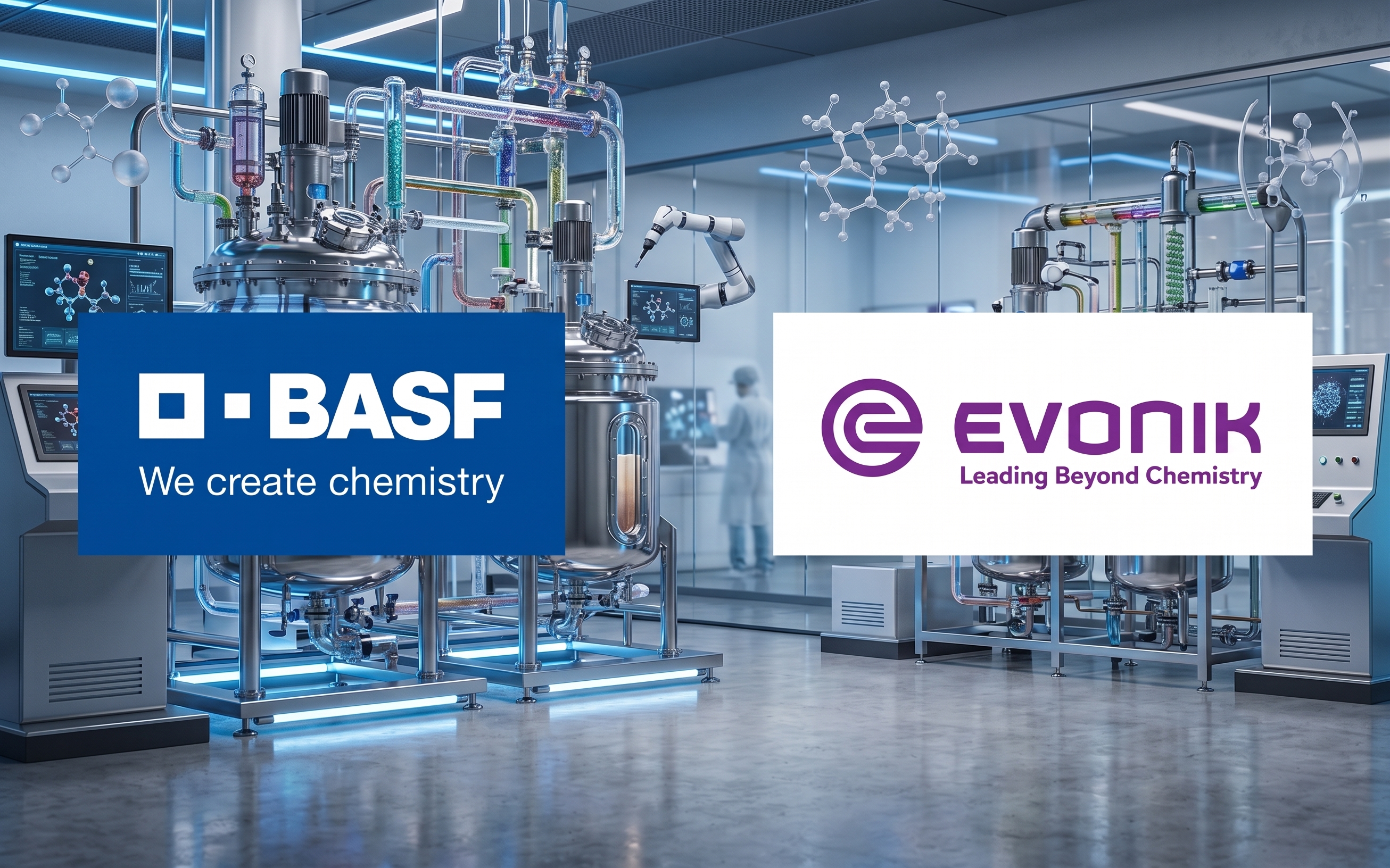
The approach targets assets spanning polyurethane additives, specialty interface technologies, processing software, and proprietary foam chemical recycling.
In 2025, BASF reported global group sales of approximately €60 billion, while Evonik posted sales of €14.1 billion and an adjusted EBITDA of €1.9 billion. Evonik's largest shareholder, RAG-Stiftung, holds an approximate 43.8% stake to fund perpetual liabilities arising from Germany’s legacy hard-coal mining operations.
Polyurethane Additives and Process Integration
If completed without major regulatory carve-outs, an acquisition would integrate Evonik’s Interface & Polyurethane Additives portfolio into BASF’s operations.
Evonik supplies catalysts, silicone surfactants, curative agents, release systems, and specialty modifiers to flexible, rigid, case, and automotive foam converters under established trade names including Tegostab, Polycat, Dabco, Kosmos, Ortegol, Versalink, and Gorapur.
The transaction would also encompass digital process assets, including Evonik’s proprietary Tego Rise optimization software. Engineered for flexible slabstock manufacturers, the platform models line variables and polyurethane reaction kinetics to minimize pilot trials and curb material scrap.
Catalytic Recycling and Upstream Synergies
Evonik operates an advanced chemical recycling platform centered on catalytic hydrolysis for post-consumer flexible PU foam from bedding, seating, and automotive parts:
The process breaks down cured polyurethane networks into secondary polyols and toluene diamine (TDA), which can be reprocessed into fresh polyol and TDI.
Evonik operates a continuous pilot recycling unit in Hanau, Germany, having successfully demonstrated foams formulated with up to 100% recovered polyols alongside commercial partners The Vita Group and waste manager Remondis.
The acquisition would combine BASF’s upstream isocyanate and polyol manufacturing scale with Evonik’s downstream formulation IP, additives distribution network, and circular recycling technologies.