







Climbing industrial energy unit rates, macroeconomic feedstock price volatility, and stringent cross-border sustainability regulations continuously compress the gross margins of modern manufacturing entities. In this tight fiscal environment, allocating immediate capital expenditure (CapEx) to acquire new machinery or plant assets often fails to deliver optimal Return on Investment (ROI) metrics. Shifting the strategic focus from asset expansion to operational workflow optimization, ERASYS enables manufacturing plants to maximize internal capacity margins using existing footprints.
Since 2009, ERASYS has delivered engineering, automation design, and logistical flow optimization services, executing systemic turnarounds across more than 60 corporate manufacturing plants. Data compiled from these field operations confirm structural productivity gains ranging from 20% to 115%, coupled with Capacity Utilization Rate (CUR) jumps between 15% and 80%, directly augmenting net corporate profitability vectors.
The Standardization Prerequisite for Digital Factory Architecture
Emphasizing that automation and Industry 4.0 applications yield diminished returns unless built upon structurally optimized operational routines, Hakan Cengiz, Founder and Managing Partner of ERASYS, outlined the structural integration parameters:
Process-Driven Capacity Reclaim: Structural yield drops rarely derive from absolute machinery limitations; instead, they are driven by unplanned line stoppages, erratic material handoffs, and non-standard field tasks. Calibrating these internal operational variables unlocks superior production volumes using identical machine park and human capital allocations.
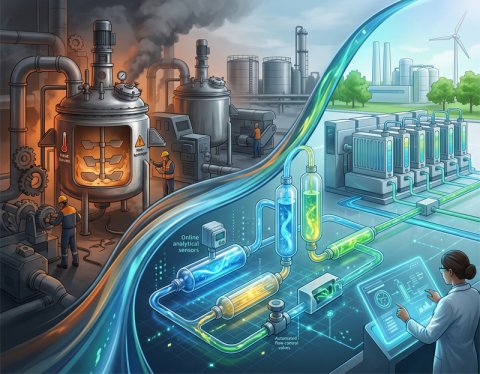
Sequencing Lean with Digital Assets: Deploying advanced analytics or IoT systems over unoptimized, chaotic manufacturing lines merely digitizes inherent waste factors. The operational blueprint dictates that workflows must first undergo rigorous lean simplification to erase hidden inefficiencies before stacking advanced technology and automated management layers.
Circular Manufacturing and Enterprise ESG Alignment
The Kaizen-backed optimization matrices managed by ERASYS cross-link directly with corporate ESG (Environmental, Social, Governance) reporting standards. Minimizing material scrap rates and pruning energy intensity metrics inside production loops effectively lowers carbon footprint scores, steering manufacturing infrastructures toward verified sustainable operations.
Hakan Cengiz (Founder and Managing Partner of ERASYS):
Today, many enterprises consider making new capital investments as the primary solution to boost competitiveness. However, significant efficiency potential already lies within existing processes. Unplanned downtime, unnecessary wait times, incorrect material flow, high stock levels, and non-standard practices cause businesses to lose capacity without realizing it. With properly analyzed and improved processes, it is possible to achieve much higher production levels using the exact same machinery and human resources. While digitalization investments are gaining momentum, technology alone does not generate efficiency. We must manage the processes correctly first, and then build technology on top of this structure.