
The clinical trial evaluated 498 patients diagnosed with mild-to-moderate depressive episodes across an eight-week trial. Participants were randomized into three cohorts receiving either 80 mg daily of the proprietary active lavender oil preparation Silexan, 50 mg of sertraline, or an identical placebo.
The primary findings and secondary analyses published in 2026 confirmed that patients in the active lavender oil cohort demonstrated statistically significant reductions in core depressive metrics—including persistent sadness, loss of appetite, cognitive fatigue, and energy depletion—matching the therapeutic trajectory of the active control group and outperforming placebo.
Technical Packaging Standards and Formulation Safeguards
Following the clinical validation, fragrance and chemical formulation experts emphasize the biochemical distinction between regulated pharmaceutical preparations and raw aromatic extractions. Given that botanical essential oils are highly volatile and prone to photo-degradation, technical packaging dictates end-product integrity:
Regulatory Labeling Integrity: Product labels must clearly identify the botanical binomial nomenclature (such as Lavandula angustifolia), full chemical declaration, batch/lot tracking identifiers, and responsible corporate registration.
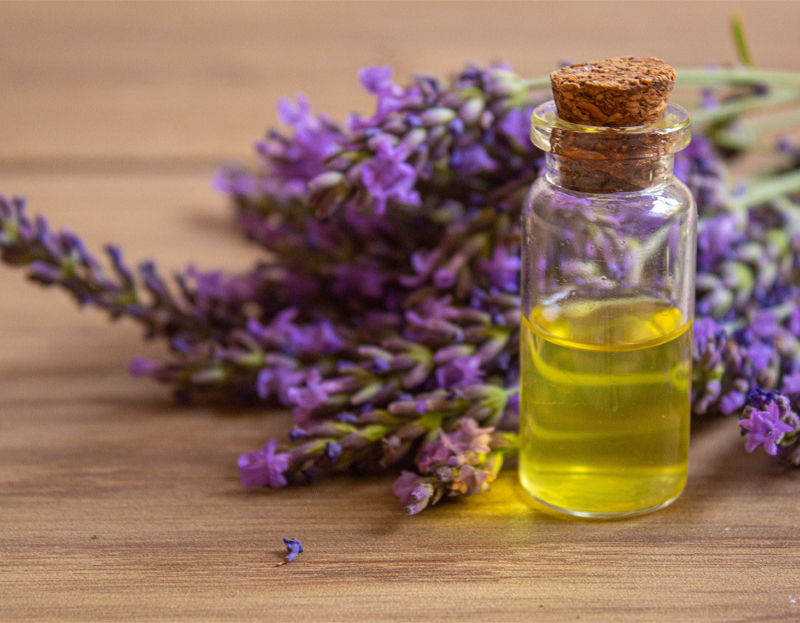
Photostability and Storage: Pure essential oils degrade under direct UV radiation; distribution must utilize light-resistant amber or cobalt glass containers rather than non-barrier, transparent polymers.
Toxicological Safety: Unstandardized, concentrated aromatic oils intended for ambient or cosmetic diffusion must not be ingested orally or applied undiluted directly to dermic tissue.
Executive Commentary from Abdullah Karataş
Abdullah Karataş, International Fragrance Specialist and CEO of Auran Cosmetics, stated:
“Lavender represents one of the most recognizable olfactive profiles globally, defined by balanced herbal and floral facets that yield clean, non-cloying ambient and personal care scents. However, heightened consumer demand frequently correlates with the proliferation of adulterated or substandard oils across informal sales channels.
Unverified raw materials and chemically indeterminate solvents pose direct physiological hazards. Buyers must rigorously inspect lot tracking, manufacturer declarations, and packaging integrity. Abnormally discounted products, clear plastic containers, or compromised seals warrant immediate caution. Standardized oral preparations utilized in clinical trials must not be confused with unrefined bulk oils; commercial essential oils should never be consumed internally or applied directly to the skin without appropriate professional formulation and dilution.”