





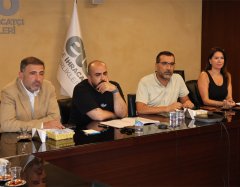
Accumulated regional crises, deep digital isolation, and severe peer bullying vectors continue to inject systemic psychological liabilities into child and adolescent cognitive development structures. To intercept these rising clinical risks through an empirical and validated methodology, the Child, Family Development and Education Foundation (ÇAGEV) has deployed its nationwide "Healing Through Art" intervention program. Officially opened on June 05, 2026, the strategic launch exhibition integrates contemporary expressive art therapy modalities with rigorous psychopathological data, creating a multi-tier social impact model to strengthen adolescent mental resilience.
Quantitative Screening Matrix: Tracking 10,000 Subjects Across Multi-Regional Corridors
Designed under the operational guidance of Uzm. Psk. Elif Koca and Şeyda Deveci, and backed by the programmatic assistance of over 250 certified mental health volunteers, the 3-year capital project will execute a strict clinical sequence across regional public networks:
Diagnostic Screening Phase: A comprehensive psychopathological and behavioral monitoring protocol will evaluate a baseline of 10,000 children across diverse socio-demographic sectors.
Volatility Stratification: Utilizing standardized assessment metrics, analytical teams will isolate 1,000 high-risk subjects displaying severe dysregulation, high impulsivity indices, and destructive behavioral indicators.
Clinical Intervention Program: Selected subjects will enter a structured, 16-week intensive expressive art therapy regimen. Supervised by licensed clinical psychologists, this program is engineered to channel suppressed trauma into safe, creative outlets.
Validated Performance Metrics from Urban Pilot Operations
Prior to its transcontinental rollout, the clinical framework underwent rigorous testing inside distinct urban quadrants of Istanbul, including Beşiktaş, Gaziosmanpaşa, and Zeytinburnu. Statistical analysis of the post-intervention clinical data verified substantial improvements across core behavioral markers:
Urban Pilot Operational Data
Performance Metric | Verified Output |
Established Field Intervention Labs | 8 Centers |
Psychopathological Risk Assessments Executed | 619 Subjects |
Enrolled Art Therapy Clinical Participants | 338 Subjects |
Certified Clinical Therapists Trained | 51 Specialists |
Targeted Specialist Clinical Instruction | 120 Hours |
Comprehensive post-program data logging generated definitive metrics: participants demonstrated a statistically significant decline in digital/screen addiction indices, a drop in aggressive physical and verbal outputs, a reduction in oppositional defiance patterns, an increase in baseline cognitive focus intervals, and a marked expansion in perceived social support networks.
"Constructing Protected Psychological Spaces Safeguards Tomorrow's Social Infrastructure"
Stressing that consecutive macro-shocks—including earthquakes, lockdowns, and socio-economic adjustments—have generated a cumulative trauma layer in adolescents over 13, Elif Koca, Chairman of the Board at ÇAGEV, framed the systemic importance of the intervention:
Every prolonged traumatic exposure inevitably outputs internal layers of grief, anger, helplessness, and defiance. If these high-intensity emotions are left unmanaged without clinical channels, they systematically fracture, bursting like a volcano to cause self-harm and damage surrounding social structures. At this critical juncture, our priority must center on engineering secure environments where children can externalize, analyze, and process their emotional states safely. Constructing a protective space within a child's internal landscape is a direct investment in our shared social infrastructure. Providing these platforms is no longer a simple family option; it stands as an absolute collective responsibility.
Interdisciplinary Visual Analysis: Commemorating Prof. Dr. İlber Ortaylı
The initial phase of the campaign is anchored by a high-profile collective exhibition running from June 5 to June 21, 2026, at the International Association of Plastic Arts. Dedicated to the memory of the distinguished historian and scholar, the late Prof. Dr. İlber Ortaylı, who personally contributed two structural drawings to the initiative prior to his passing, the exhibition bridges industrial leadership with advanced psychoanalysis.
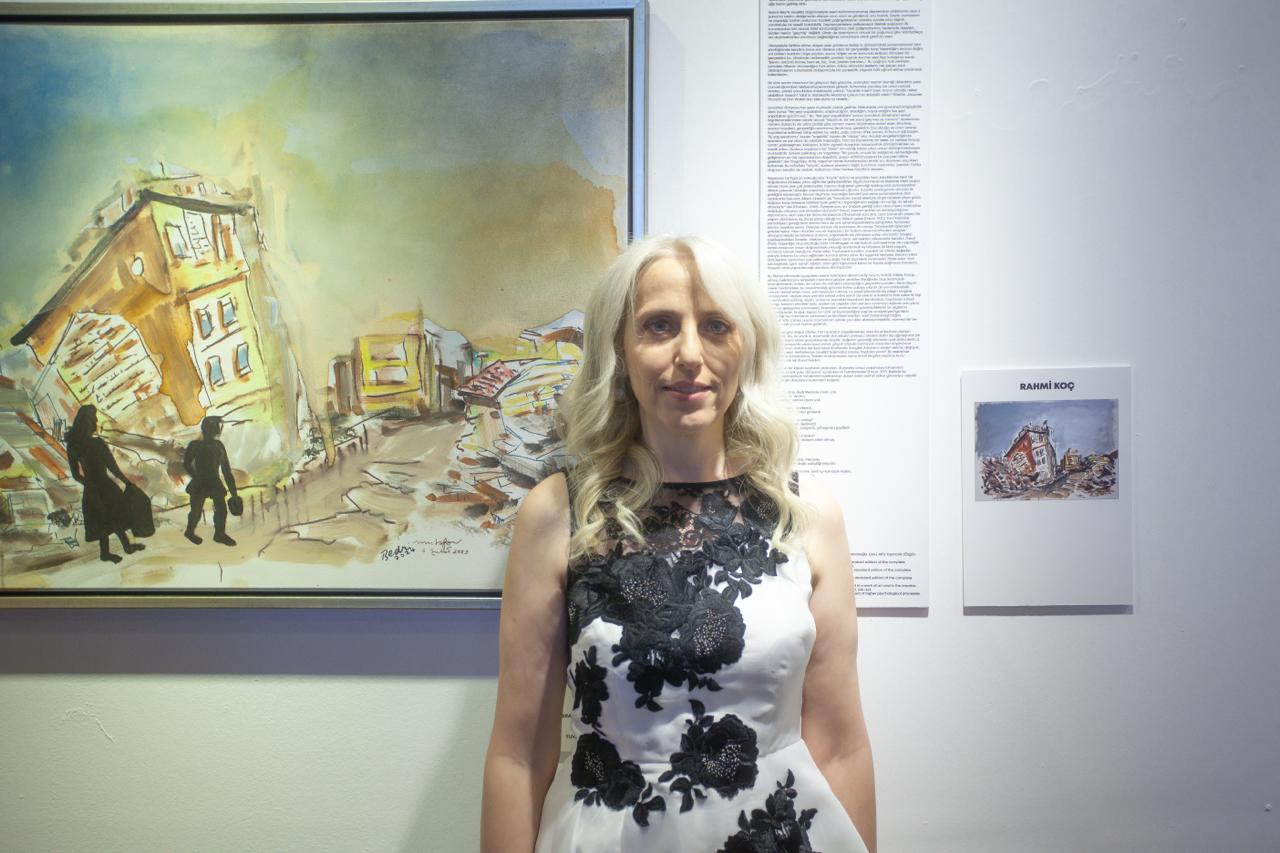
The collection showcases foundational sketches on the concept of "destructiveness" contributed by 20 prominent figures across business, science, and the arts, including Rahmi Koç, Kenan Doğulu, Zülfü Livaneli, Ayşe Arman, Nebil Özgentürk, Fazıl Say, Dursun Özbek, and Naci Görür. These conceptual layouts were subsequently re-engineered onto canvas by premier contemporary painters, paired with deep analytical breakdowns authored by psychoanalytic specialists to expose the underlying subconscious dynamics.