






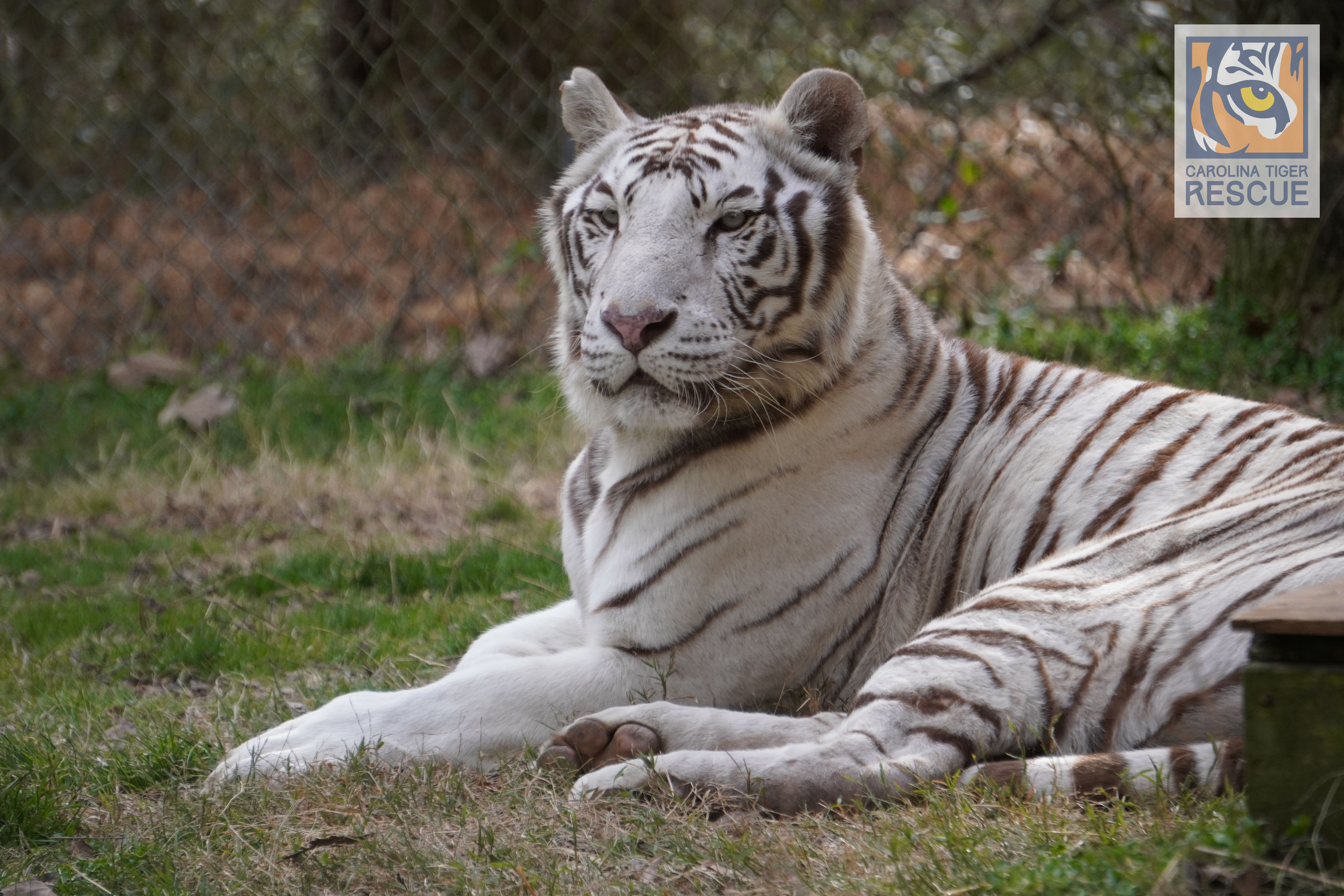
Deutsche Post DHL Group's specialized freight divisions, DHL Global Forwarding and DHL Express, have completed a high-stakes Live Animals (AVI) air cargo operation, highlighting their capacity to manage highly sensitive biological supply lines. The mission involved the relocation of eight large felines, five tigers and three lions, from sub-standard, non-compliant confinement conditions inside temporary tourist exhibition sites and unaccredited private holdings in San Pedro Sula, Honduras. Confirmed on June 05, 2026, the operation was executed in strict compliance with the Convention on International Trade in Endangered Species (CITES), international customs frameworks, and IATA Live Animals Regulations (LAR) protocols, establishing Honduras’ debut international mega-fauna rescue transport.
Advanced AVI Framework: Isolated Apron Operations and Direct Air Corridor Management
Relocating large apex predators demands complex technical engineering to balance climate controls, structural hardware limits, and animal psychological health. The programmatic schedule designed by DHL's dangerous goods and sensitive cargo teams involved the following parameters:
Inter-Agency Calibration: The cargo routing was executed via direct synchronization with the Forest Conservation, Protected Areas and Wildlife Institute (ICF), the Regional International Organization for Agricultural Health (OIRSA), Honduras Customs, and San Pedro Sula Airport operational management.
Acoustic and Visual Isolation Nodes: To shield the animals from intense runway noise, flashing lights, and general ground handling activity, a dedicated, sterile loading quadrant was established on the airport tarmac to lower cortisol spikes.
Structural Crate Engineering: The cargo was secured inside specialized, laser-verified transport crates matching rigorous IATA LAR structural criteria, built with impact-resistant materials and calculated ventilation apertures tailored to each animal's weight and respiratory profile.
Direct Airframe Deployment: To minimize total time-in-transit (TIT) and eliminate the risk of thermal shock or metabolic exhaustion during layovers, DHL Express deployed a dedicated charter cargo aircraft flying a direct route to Miami, Florida.
Continuous Critical Telemetry and Metabolic Mitigation
Throughout the multi-tier shipping sequence—from initial loading to ultimate drop-off at the sanctuaries—the animals remained under the supervision of a specialized veterinary team.
Four licensed veterinary physicians were stationed directly inside the main deck cargo compartment, running continuous diagnostic sweeps on respiration depth, internal crate temperature variations, and general neuro-behavioral stability. The clinical team engineered unique sedation strategies based on each animal's lean mass and medical history, allowing the airframe to clear transcontinental corridors with zero onboard casualties and optimal safety margins.
"Leveraging Integrated Supply Networks to Uplift Living Ecosystems"
Stressing how multi-market infrastructure can be deployed to support global environmental and conservation objectives, Celia Chinchilla, Country Operations Manager for DHL Global Forwarding Honduras, stated:
This mission demonstrates that logistics goes far beyond the simple transport of industrial commodities; it holds the structural power to preserve and improve lives. We are proud to deploy our operational capacity to transition these animals into protected, species-appropriate environments. These apex predators have finally secured what was always their baseline right: a secure habitat, sufficient operational space, and a dignified life.
Onboarding Long-Term Care Assets via GFAS-Accredited Operations
Upon clearing expedited customs clearance and veterinary quarantine lines at Miami International Airport, the animals were transferred via climate-controlled ground transport networks to Carolina Tiger Rescue and Turpentine Creek Wildlife Refuge. Both institutions are accredited by the Global Federation of Animal Sanctuaries (GFAS), operating extensive natural habitat enclosures, specialized behavioral enrichment programs, and continuous expert veterinary medical care to guarantee long-term health management.