








In an economic climate where rising manufacturing overheads, global demand contractions, and currency fluctuations squeeze profit margins across the leather and footwear manufacturing sectors, Aegean exporters are steering operations toward alternative high-income markets. According to data consolidated by the Aegean Leather and Leather Products Exporters Association (EDMIB), the region channels 65% of its current leather export volume into traditional European Union (EU) trading nodes.
The Aegean territory registers unit value indices substantially above the national average. Within the footwear product group, the region’s export value per kilogram reached $24.77, practically doubling the domestic baseline. This unit value index spikes even higher across the premium leather and fur garment verticals. To capitalize on this high-margin output, EDMIB plans to deploy purchasing delegations, sectoral trade missions, and international expositions to unlock growth runways in premium destination markets including the US, Canada, Scandinavia, Poland, Romania, South Africa, and Australia.
Currency Conversion Support and Liquidity Bottlenecks
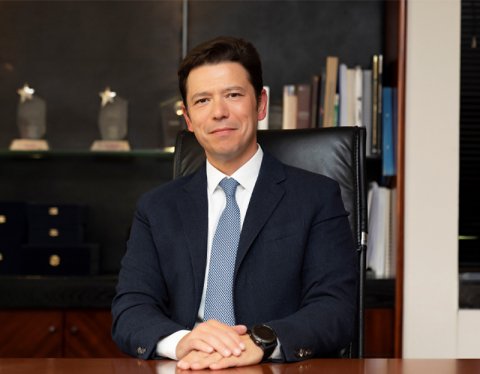
Emphasizing that urgent updates to macroeconomic incentive frameworks and monetary regulations are essential to sustain the sector's financial viability, EDMIB Chairman Halil Gündoğdu shared the following corporate evaluation:
Under current operational conditions, we are manufacturing and exporting at break-even costs. To safeguard the competitive posture of the Turkish leather industry, accessing finance must be streamlined, and the foreign currency conversion support rate must be adjusted to at least 10%. If this conversion premium scales to 10%, we will transition back to a profitable exporting status, allowing our industrial base to sustain its workflows.
Custom Duty Refinement Across Non-Domestic Supply Inputs
Noting that tectonic shifts in global sourcing models position Turkey as an ideal manufacturing hub due to geographical proximity, flexible tooling timelines, and design expertise, Gündoğdu addressed the fiscal friction tied to non-domestic sub-industry inputs:
The reconfiguration of global supply lines yields unique openings for our leather and leather products sector; however, climbing overheads and fiscal levies on imported components stifle our global readiness. Eliminating custom duties on raw materials and auxiliary sub-industry inputs with zero domestic manufacturing footprint is an operational necessity. While our European peers source strategic chemicals and hardware at global baseline prices, our exporters operate under artificial cost inflation. Re-evaluating the tax burden on shoe components, specifically outsoles, heels, buckles, and specialized processing chemicals, is vital for our international standing. We aim to elevate the global competitiveness of the Aegean leather cluster by pairing value-added manufacturing and robust design capacities with our new market expansion matrix.