






Global climate change and rising temperatures continue to intensify water stress worldwide. According to Copernicus climate data, over 50% of Europe was affected by drought conditions in 2025, marking one of the continent's three driest years on record. Located in the Mediterranean Basin, Turkey is categorized as a water-stressed country based on per capita available water, with experts warning of the risk of becoming water-scarce without urgent measures.
Projections indicate that 5.7 billion people globally could face water shortages by 2040, underscoring a new "era of water stress" that directly impacts municipal infrastructure and urban resilience.
Zero Water Loss and Inefficiency in Home Filtration
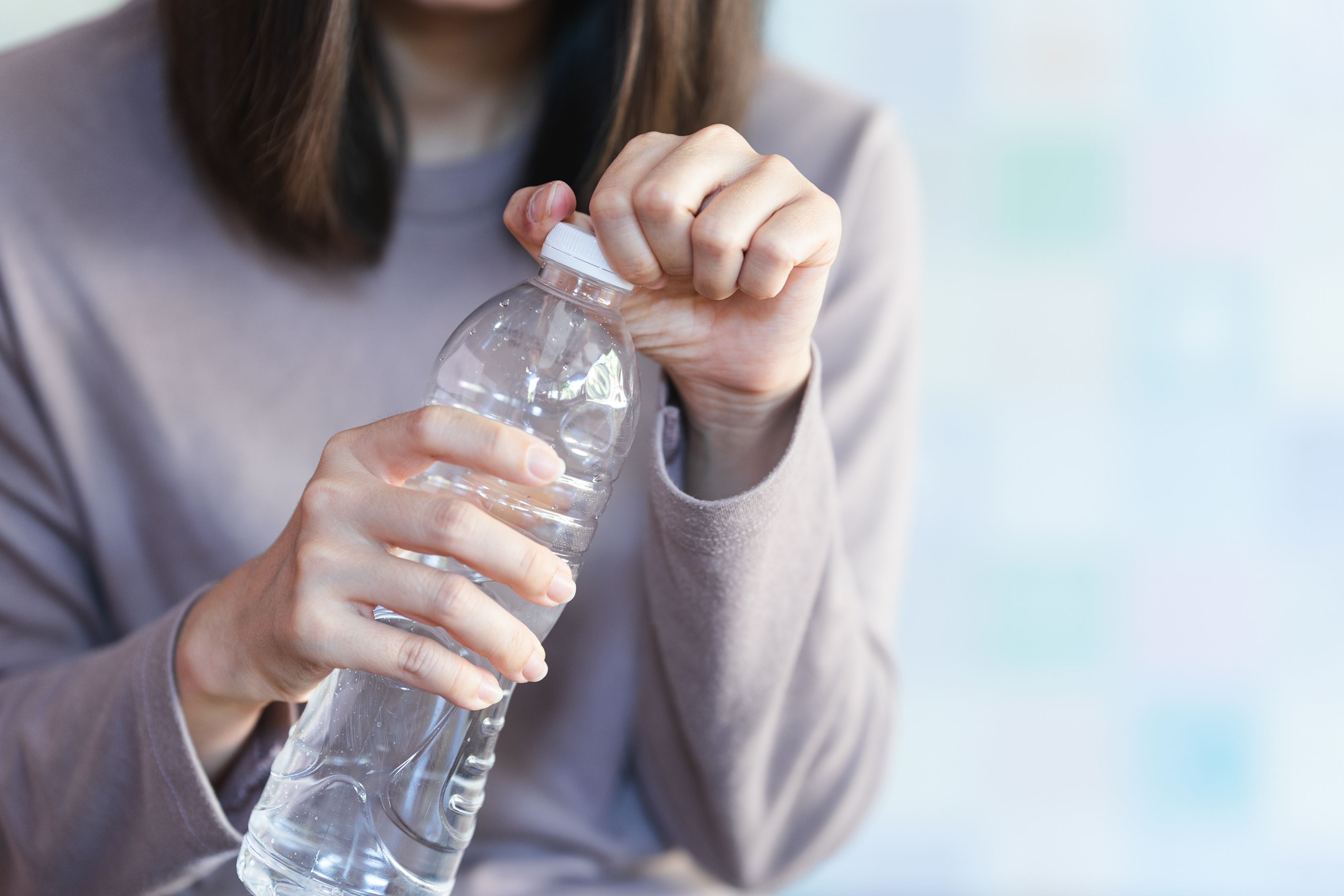
Research titled "Evaluation of Water Quality of Home-Type Water Purification Systems" conducted by Prof. Dr. Meriç Albay from Istanbul University Faculty of Aquatic Sciences reveals that home water purification devices waste approximately 5 liters or more of water as runoff to produce just 1 liter of purified drinking water.
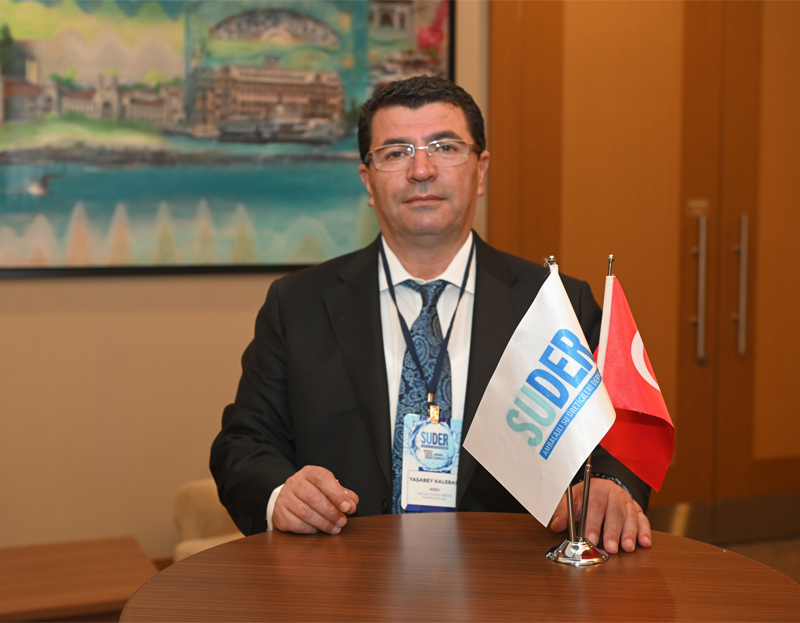
Highlighting that packaged water producers protect the ecosystems surrounding underground water sources, SUDER Chairman Yaşabey Kalebaşı noted that member companies operate under a zero water loss principle during production and utilize 100% recyclable packaging materials to minimize their environmental footprint.
Executive Statements
Strategic Resource Management: "The climate crisis is a reality of today. The pressure on our water resources is increasing every year, and the resilience of our cities directly depends on how we manage water. Producers operating in the Turkish packaged water industry are careful to use our water assets in the most efficient manner without wasting resources, ensuring their transmission to future generations."
Call for Collective Responsibility: "As water stress deepens, protecting our underground and surface water resources is our shared responsibility. Every step taken today will serve as the most important guarantee of our future water security. Therefore, expanding efficient water management practices across agriculture, industry, and other consumption areas is of great importance."