







Supplying an omni-channel pharmaceutical network of roughly 30,000 pharmacies across Turkey, Orzax is deploying its IPO proceeds to optimize working capital and reduce structural debt. The manufacturer balances industrial scale with operational cash conversion and dynamic liquidity planning.
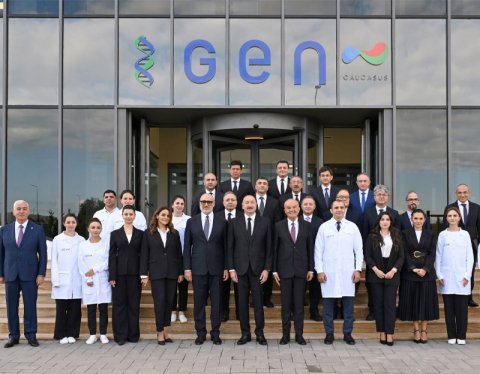
With occupancy permits secured, the Esenyurt Plant-3 facility is slated for phased commercial commissioning by late 2026 following final technical validations and regulatory clearances. Once online, the capital expenditure intensity is projected to drop from roughly 12.1% of sales in 2026 to 1% in 2027. Subsequent capital allocations will focus primarily on regular maintenance, digital infrastructure, and completing its regional manufacturing hub in Kazakhstan.
Vertical Integration and Operational Balance Sheet Metrics
Key operational and financial indicators from the company's disclosures include:
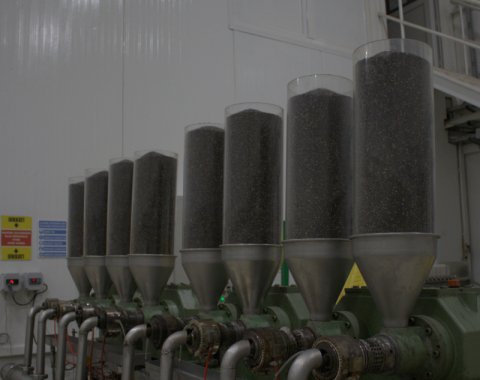
Biotech Localization: Plant-3 focuses on domestic cultivation of proprietary probiotic microorganism strains and functional biotechnological actives, abating supply-chain disruptions and foreign exchange exposure.
Margin Trajectory: Vertical integration is anticipated to reinforce gross profit margins—currently between 60% and 65%—with a mid-to-long-term strategic target of sustaining an EBITDA margin exceeding 30%.
Working Capital & Solvency: Net working capital surpassed TRY 3.2 billion during the first half of 2026, yielding a current ratio of 1.56.
Cash Conversion Metrics: In H1 2026, average days payable outstanding (DPO) stood at 58 days, while days sales outstanding (DSO) tracked at 117 days. Working capital cycle normalization is expected across the second half of the year.

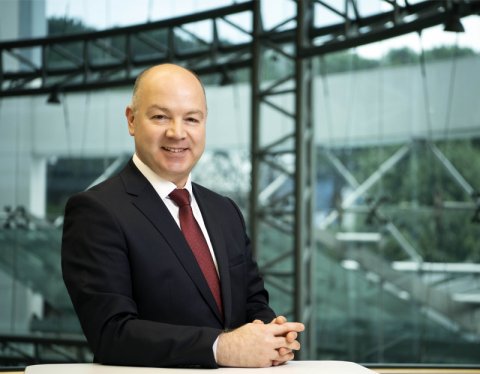
Executive Commentary from CFO Yüksel Akarsu
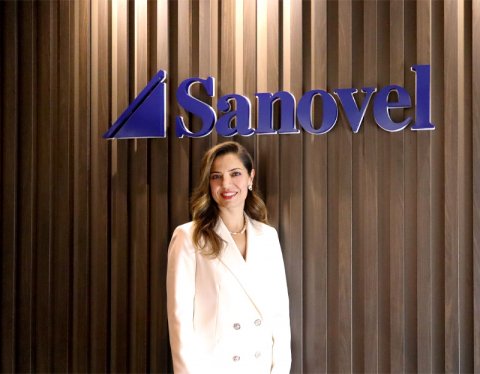
Yüksel Akarsu, Chief Financial Officer of Orzax, stated:
“In a macro environment marked by systemic volatility, we maintain equilibrium across growth, capital expenditure, and risk through our guiding principle of 'Operational Agility and Dynamic Liquidity Management.' Rather than adhering to a rigid capital framework, we adjust liquidity buffers dynamically through multi-scenario modeling.
Amid elevated interest rates and tight credit conditions, we rapidly reduced short-term debt and de-leveraged our balance sheet. By preserving operating cash generation and strong EBITDA margins, we increased the equity-financed portion of our capital programs. We will continue deploying capital toward capacity expansion, dermocosmetic verticals, and high-barrier vertical integration.”