







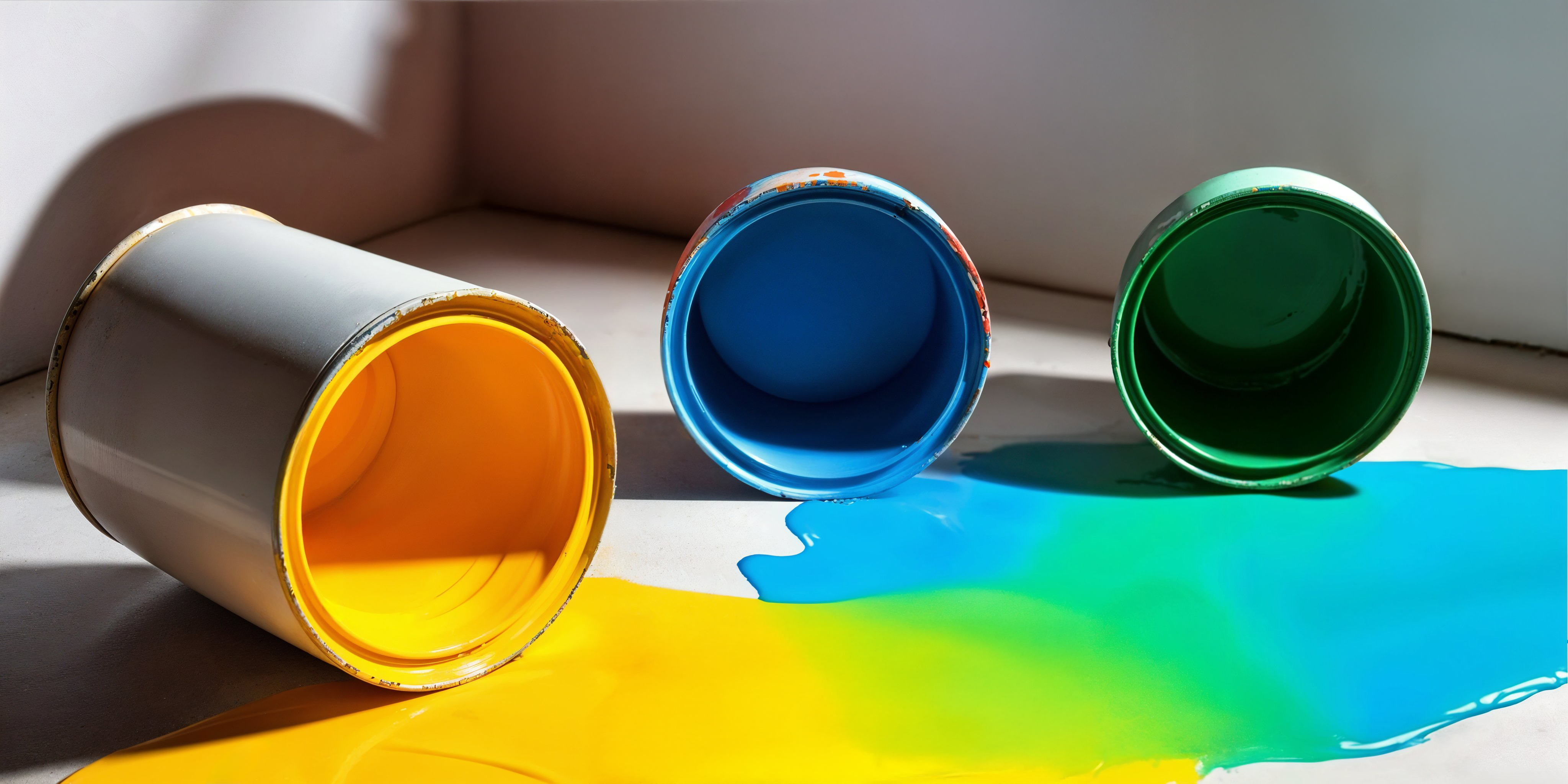
Global coating systems, advanced polymer compounds, and industrial material chemistry frameworks are experiencing intense operational modifications driven by tightening environmental regulations, corporate ESG targets, and extreme mechanical durability profiles. According to recent market analysis reports and verified academic R&D data sheets, performance additives have evolved past their historical boundaries as simple, single-purpose stabilizers or surface-tension adjusters. The modern industry is aggressively adopting integrated, nanotechnology-enabled, and multi-functional molecular matrices engineered to permanently minimize formulation complexity, satisfy PFAS-free legislative limits, and deliver structural protection.
1. Graphene Additives Secure Commercial Scalability in Protective Coatings
The deployment of advanced carbon nanomaterials within continuous manufacturing loops is achieving verified commercial scale via next-generation anti-corrosion additives. Sparc Technologies has entered into a formal Letter of Intent (LOI) to integrate HydroGraph Clean Power’s proprietary Fractal Graphene technology directly into its established ecosparc protective coating additive matrices.
The operational parameters and testing metrics of this advanced nanostructured integration stabilize around specific criteria:
Phase Compatibility Adjustments: Initial laboratory sweeps validated substantial performance yields inside waterborne systems, prompting secondary validation trials inside industrial solvent-based protective coatings.
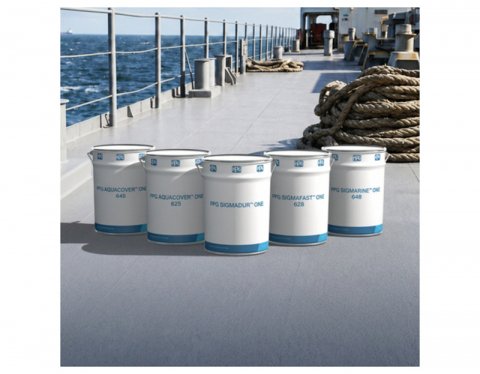
Extreme Cyclic Corrosion Profiling: Formulated coating samples are undergoing long-term exposure testing under ISO 12944 guidelines, enduring up to 4,200 hours of cyclic corrosion testing—a critical qualification baseline for heavy marine and industrial infrastructure preservation.
"Drop-In" Infrastructure Integration: The unique exfoliation alignment of the graphene derivative allows it to function as a seamless, direct "drop-in" additive inside current manufacturer recipes. This eliminates the need for expensive, time-consuming product reformulation while significantly elevating baseline galvanic corrosion barriers.
2. In-Situ Nanoparticle Synthesis Drives Functional and Antimicrobial Coating Capacity
Academic research published in the peer-reviewed journal Scientific Reports has validated a strategic shift toward integrated functional additive design, proving that performance indicators can be synthesized directly inside a polymer's atomic matrix rather than introduced as an external macro-component. The study evaluated water-based acrylic coatings utilizing the in-situ synthesis of silver nanoparticles within the protective resin chain.
The chemical engineering variables and mechanical outputs of this nano-composite film finalize as follows:
Preserving Backbone Cross-Linking: The localized in-situ synthesis loop successfully produced stabilized silver crystals without breaking or altering the core functional groups or baseline cross-linking density of the underlying acrylic polymer backbone.
Broad-Spectrum Biocidal Velocity: The resulting nano-engineered film delivered high antibacterial resistance barriers against both Gram-negative and Gram-positive bacterial strains, paired with strong antifungal velocity across diverse mutated biological strains.
Interfacial Adhesion Optimization: Statistical logging demonstrated that when nanoparticle concentration coordinates at optimized formulation boundaries, the physical interfacial adhesion strength of the coating across multiple industrial substrates exhibits a clear upward trend.
3. Minimizing Formulation Complexity via Multifunctional Silicone Copolymers
In contemporary industrial coatings and high-performance packaging inks, combining multiple single-purpose chemical components (such as standalone wetting agents, pigment dispersants, and defoamers) introduces high financial overhead and systemic chemical incompatibility risks. Current chemical trade tracking confirms that manufacturers are rapidly prioritizing hybrid, multi-functional silicone technologies designed to solve multiple physical surface challenges through a singular molecular vehicle.
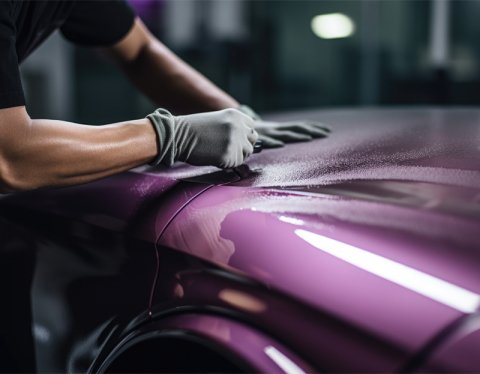
These advanced modified silicone kopolimer systems combine surface substrate wetting, steric pigment dispersion, and macro/micro-foam destabilization (defoaming) into a unified chemical stream. This structural alignment eliminates common film defects like cratering, orange peeling, and pinholing, optimizing surface finish aesthetics while maximizing factory-floor processing throughput. Furthermore, specialized variations are being engineered with high thermal stability parameters to meet the strict insulation requirements of the automotive electronics and aerospace sectors.
4. Macroeconomic Market Forces and Tightening Carbon Tariffs
The aggregate coating additives market remains highly correlated with global infrastructure spending, vehicle manufacturing indexes, and marine asset protection investments. However, the true growth velocity within contemporary chemical tracks is driven by strict regulatory mandates.
Intensifying international limitations on Volatile Organic Compound (VOC) emissions are systematically forcing paint formulators away from high-solvent formulations, accelerating the adoption of waterborne, high-solids, and radiation-curable (UV) alternative grids. Consequently, fundamental chemical classes—including rheology modifiers, polyurethane dispersants, polymer defoamers, and hindered amine light stabilizers (HALS), must be comprehensively re-engineered to meet strict green chemistry standards.
5. PCI Intelligence Overviews: Tracking Bio-Based and PFAS-Free Alterations
The latest engineering briefs published by Paint & Coatings Industry (PCI) magazine closely document this structural transition toward clean manufacturing and extreme film resilience. The primary innovation sectors shaping modern chemical formulation include:
Bio-Sourced Rheology Modifiers & Plasticizers: To permanently trim product carbon intensity scores, standard petroleum-derived phthalates are being replaced by bio-based citrate esters, paired with specialized xanthan gum networks to stabilize waterborne architectural systems.
Botanical and Plant-Derived Corrosion Inhibitors: Formulators are actively trailing organic green inhibitors derived from plant biomass as toxicologically safe replacements for traditional heavy-metal chromate conversion layers.
PFAS-Free Surface Engineering: Facing sweeping international prohibitions on fluorinated compounds, chemical engineers are shifting toward customized PFAS-free silicones and synthetic wax arrays to secure reliable surface slip, hydrophobicity, and scratch resistance parameters.
Open-Time Extension Additives: Addressing a critical physical limitation of water-based architectural coatings, advanced open-time extenders stabilize wet-edge retention, viscosity curves, and dry-film gloss values, eliminating roller markings and tracking lines during ambient application.