





Meditopia has shared five key trends expected to shape the human resources agenda in 2026. According to the company’s assessment, artificial intelligence tools that were largely tested in operational contexts in 2025 will evolve into more integrated, human-centered systems that support performance, cultural engagement, and employee wellbeing. In this transition, organizations’ primary challenge will be managing the cognitive demands created by an increasingly fast-paced, technology-driven work environment.
1) Personalized Wellbeing Approaches Gain Momentum
Meditopia notes that wellbeing strategies in 2026 will increasingly account for differences in employees’ roles, generations, and life circumstances. Data-driven and personalized models are expected to move wellbeing beyond a supportive benefit, embedding it into organizational culture as a proactive and continuous experience.
2) Closer Collaboration Between HR and IT
Rising technological complexity and the growing use of autonomous AI solutions are bringing human resources and information technology teams closer together. Meditopia points out that while HR provides insights into employee experience and adoption, IT plays a critical role in selecting, implementing, and managing technological solutions.
3) Productivity Culture Is Being Redefined
The company highlights that the gradual weakening of organizational culture poses a direct risk to employee performance. In 2026, HR leaders are expected to focus on building cultures that encourage open feedback at team level, clearly define productivity behaviors, and enable managers to engage in action-oriented discussions with employees.
4) Physical Health Becomes Part of Work Performance
Meditopia draws attention to research showing that physical activity supports time management and cognitive performance. As a result, physical wellbeing is no longer viewed as a fringe benefit but as a core component of operational sustainability. Organizations are expected to invest more in initiatives that encourage movement and reduce cognitive strain.
5) The Value of the Office Shifts from Capacity to Experience
As debates around returning to the office continue, the success of workspaces is no longer measured solely by occupancy rates. Meditopia emphasizes that meaningful, functional environments that foster a sense of belonging and human connection will become key indicators of workplace effectiveness in 2026.
“Wellbeing Is Becoming the New Performance Metric”
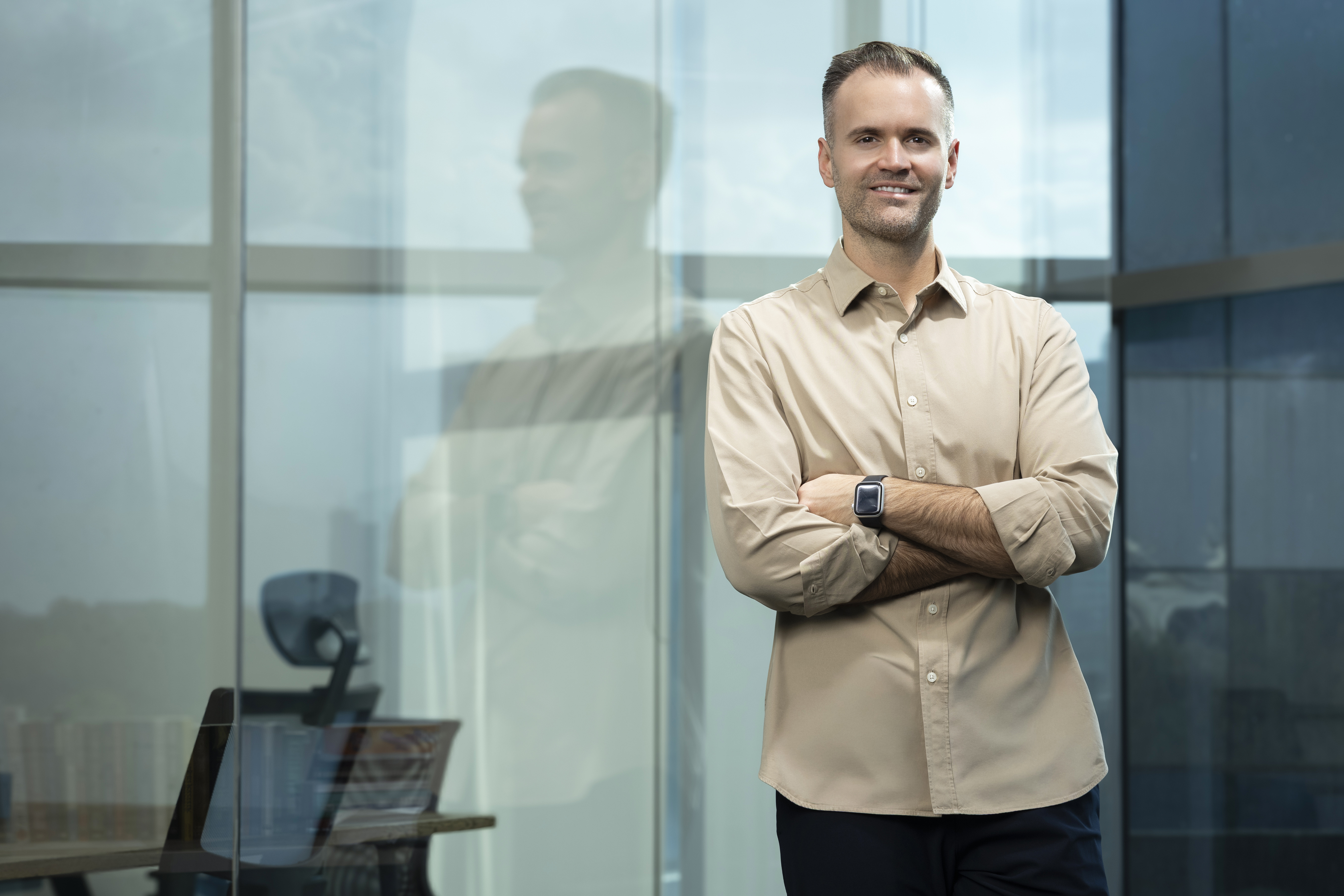
Commenting on the future of work and Meditopia’s 2026 vision, Co-Founder and CEO Fatih Mustafa Çelebi stated that collaboration between humans and machines is no longer optional but essential. He underlined that sustainable performance depends on protecting employees’ mental and physical health, adding that organizations are entering a period in which performance will be evaluated not only by outputs but also by long-term resilience and wellbeing. Çelebi noted that Meditopia supports this transformation through solutions that strengthen both physical health and mental resilience, helping organizations adapt without losing their human focus.