






Borsan Kablo, a prominent integrated entity within the metallurgical wire and electrical cable manufacturing supply chains, has updated its ecological disclosure frameworks to match European Green Deal mandates. The corporation has officially released its verified 2025 Water Footprint Inventory Report, covering its Headquarters, Plant 1, and the ongoing structural phases of Plant 2. Backed by systematic closed-loop engineering and thermal process fluid optimization across its value-added production lines, the manufacturer’s compressed Blue and Grey water footprint components have been verified via precise data frameworks.
Gate-to-Gate Analytical Frameworks and Three-Year Performance Metrics
Engineered under audited ISO 14046 and TS ISO 14046:2014 methodologies, the structural inventory applies a strict "gate-to-gate" assessment model evaluating all conversion steps inside the plant perimeters. The consolidated engineering matrices for Borsan Kablo's 2025 operational period record the following volumetric footprints:
Blue Water Footprint (Direct Process Absorption): 28,924.535 cubic meters / year
Grey Water Footprint (Pollution Assimilation Index): 46,472.09 cubic meters / year
Comparative analytics tracking the last 3 consecutive fiscal years (2023, 2024, and 2025) reveal that 2024 operations yielded an approximate 15 percent reduction in absolute Blue and Grey water metrics relative to the 2023 baseline. Despite shifting capacity utilization factors across consecutive quarters, the 2025 throughput effectively kept fluid usage well below baseline parameters, safeguarding long-term supply resilience. Green water consumption recorded a null value due to the absence of rainwater catchment loops in the legacy industrial sites.
Capital Deployment: A $180 Million Eco-Efficient Integrated Production Base
Situated within the Samsun New Organized Industrial Zone and engineered to achieve full production scale by 2028, the upcoming Borsan Kablo Integrated Production Facility represents a major evolution in the brand's resource and power architecture. Representing a total capital expenditure (CapEx) of $180 million, marking the largest asset investment in the company's historical timeline, the manufacturing complex will span 120,000 square meters of enclosed industrial space across three planned development phases.
The facility's engineering drawings incorporate extensive stormwater collection and advanced multi-stage treatment infrastructure, allowing process loops to draw directly from natural precipitation fields, thereby activating the company's Green water footprint management system. The zero-emission campus is further configured to utilize 100 percent renewable energy inputs while running automated copper and aluminum casting furnaces engineered to cut thermal energy waste by 50 percent.
"Preventing the Elimination of Critical Process Assets Across All Operations"
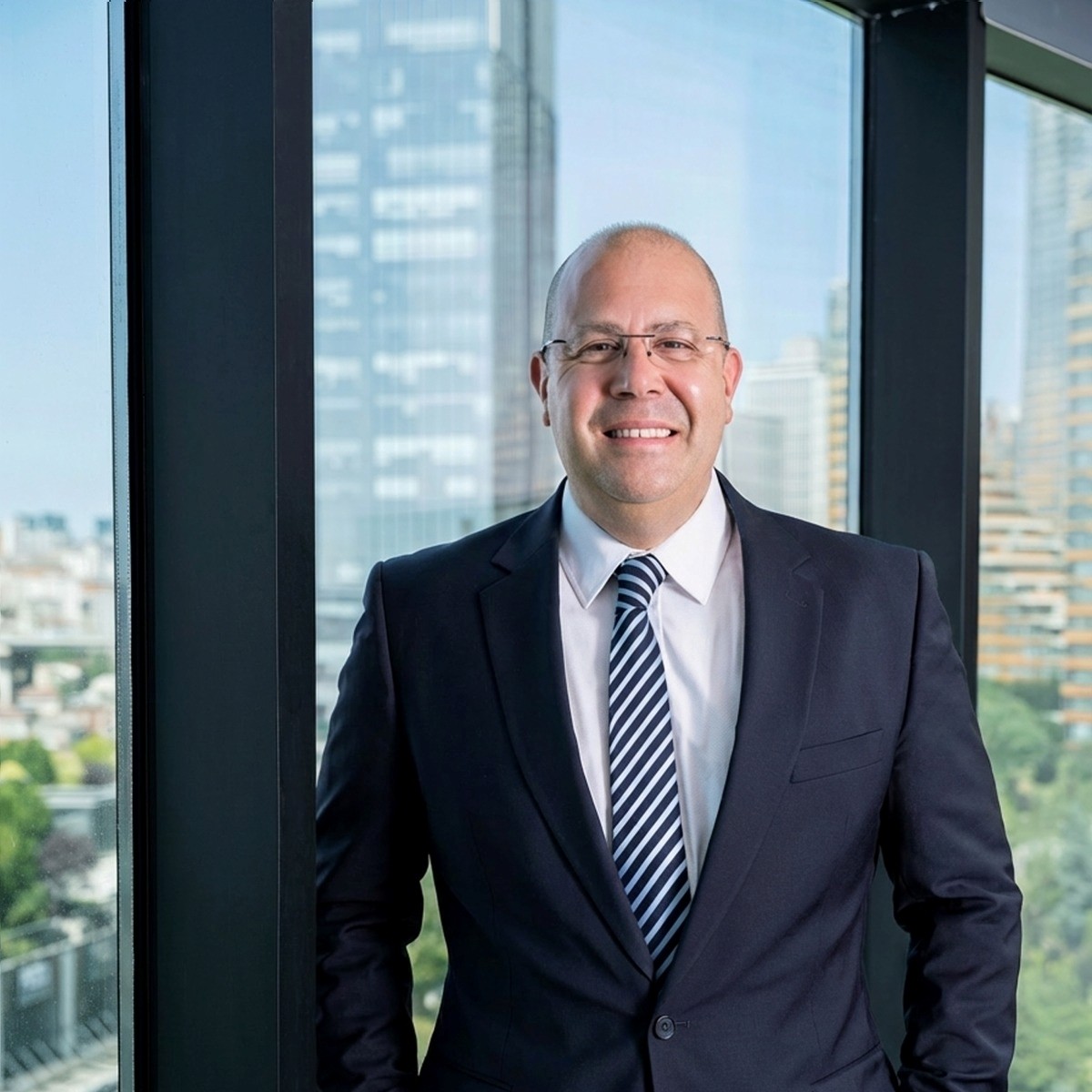
Stressing the definitive correlation between standardized ecological accounting and global market share retention, Arbek Akay, CEO of Borsan Kablo, outlined the manufacturer's operational roadmap:
We incorporate sustainability directly as a primary business model. Within this framework, our goal across all manufacturing nodes is to maximize chemical fluid utility, ensuring that even the smallest volume of water is recovered without waste. We audited our 2025 direct water footprint with absolute precision. Through target-driven efficiency protocols, we successfully consolidated our resource metrics below our 2023 baseline. Moving forward, we are establishing a rigid institutional data framework to prepare for upcoming CDP (Carbon Disclosure Project) tracking protocols.
The 2025 data batch supports immediate preventative goals, including the deployment of automated, sensor-driven hardware across administrative hubs to cut municipal water intake by 10 percent, alongside the implementation of specialized "Water Footprint" technical seminars across all industrial labor tiers.