





According to the Food and Agriculture Organization (FAO) of the United Nations, approximately 75 percent of global food crops depend, at least in part, on pollination. Rooted in this biological imperative, premium honey and bee products brand Balparmak launched a strategic awareness campaign on May 20, World Bee Day, highlighting the critical role bees play in agriculture and ecosystem viability. Hosted by Migros and moderated by author Sunay Akın, the "Think Like a Bee for Nature" panel called upon all industry stakeholders to take collective action toward preserving biodiversity and ensuring global food safety.
Sustainable Apiculture and Industrial Quality Controls
Rapid urbanization, improper agricultural practices, the climate crisis, and the pollution of water resources continue to place severe pressure on global bee populations. Emphasizing that apiculture must be backed by rigorous scientific and academic infrastructure, Özen Altıparmak, Chairman of the Board at Balparmak, noted that protecting bees is a shared responsibility across the food industry and society.
Altıparmak highlighted the organization's science-driven operations and quality management systems:
We value bees not just for the honey they produce, but for the critical role they play in the continuity of life. Operating under the Balparmak R&D Center, APİLAB is among Europe's most comprehensive specialized laboratories for bee products. Here, we subject bee products coming from different regions of Turkey to detailed analysis, ensuring only naturally verified products reach consumers. We believe consumer trust is only achievable through scientific approaches, high quality standards, and transparency.
Academic Educational Frameworks and Empowering Young Beekeepers
To elevate apicultural practices to modern industrial standards, the Balparmak Beekeeping Academy, established in 2018 with the support of the European Bank for Reconstruction and Development (EBRD), continues to drive technical transformation in the field. Dr. Emel Damarlı, R&D and Quality Director at Balparmak, noted that the academy's primary objective is to lower the demographic age average in the profession by integrating women and youth into the agricultural workforce. Utilizing remote learning, mobile training units, and hands-on classroom environments, the academy has trained thousands of keepers to merge theoretical science with field execution.
Environmental Literacy and Digital Awareness Initiatives
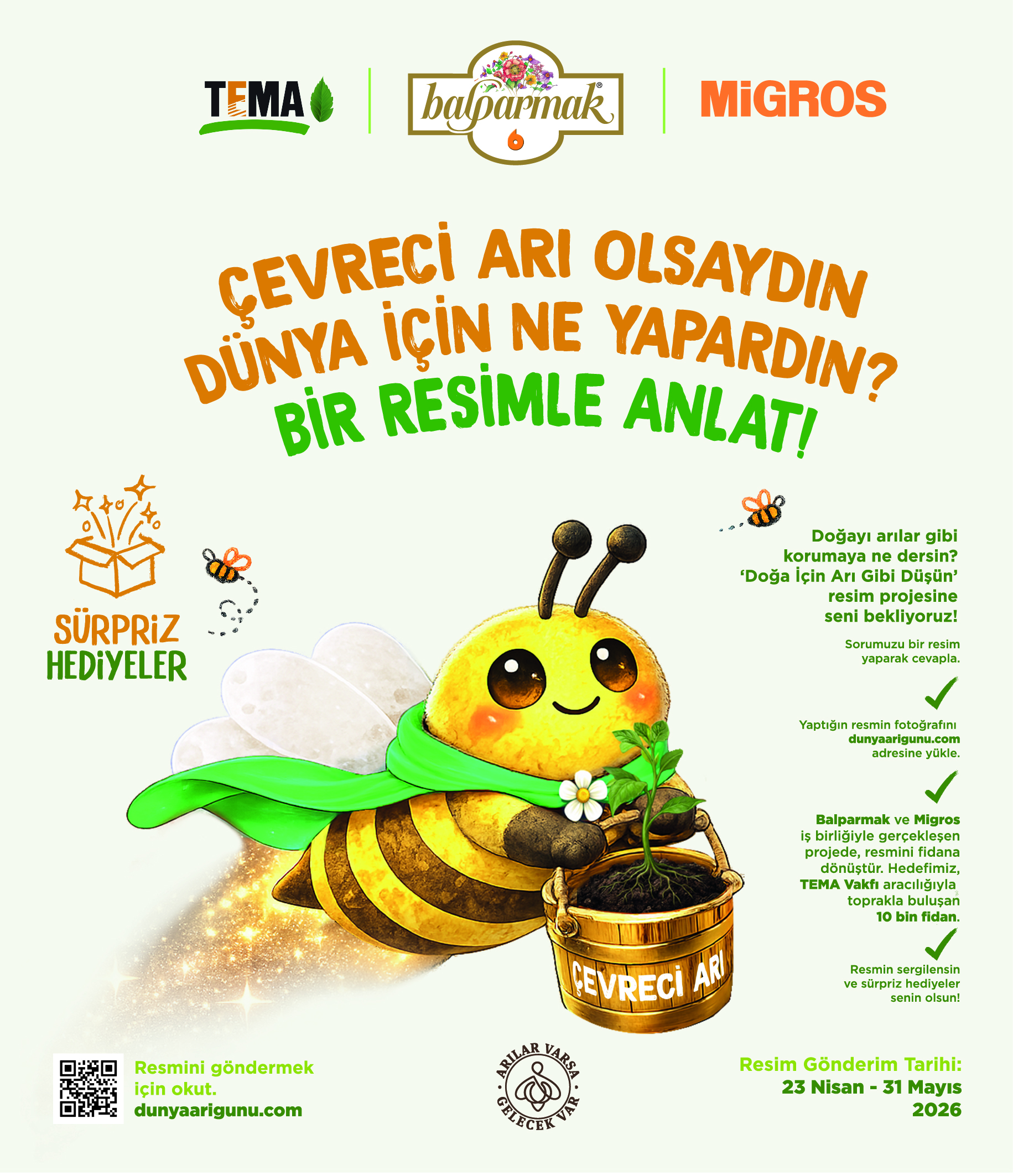
To instill ecological awareness at an early age, the second iteration of the "Think Like a Bee for Nature" project was launched in partnership with the TEMA Foundation and Migros on April 23. The initiative encourages children to explore the ecological functions of pollinators through creative expression rather than competitive formats.
The operational pipeline for this digital project is structured as follows:
Digital Submission Window: Children can upload their environmental artwork between April 23 and May 31, 2026, via the official portal at World Bee Day Official Web Site.
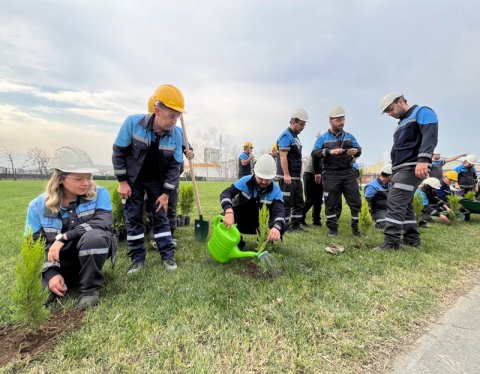
Afforestation Targets: For every artwork submitted to the platform, a sapling donation is automatically processed through the TEMA Foundation. The target for this term is to establish a memorial forest comprising 10,000 saplings.
Institutional Outreach Scale: Complementing these efforts, the Balparmak Campus has hosted approximately 9,000 children over the past 4 years, conducting pedagogical sessions that explain the vital functions of bees within the food supply chain.