






Conducted by the ÇEVKO Foundation, the research titled “Source Separation of Recyclable Waste in Municipalities” examined the operational models of Kadıköy, Ataşehir, and Pendik in Istanbul, along with Muratpaşa in Antalya. The study outlined local government experience, collection methodologies, and existing systemic operational challenges.
Separate collection practices have been maintained since 2000 in Kadıköy, 2007 in Muratpaşa, 2009 in Ataşehir, and 2010 in Pendik.
Operational and Collection Models Across Four Municipalities
While administrative models vary, municipalities implement comparable collection frameworks:
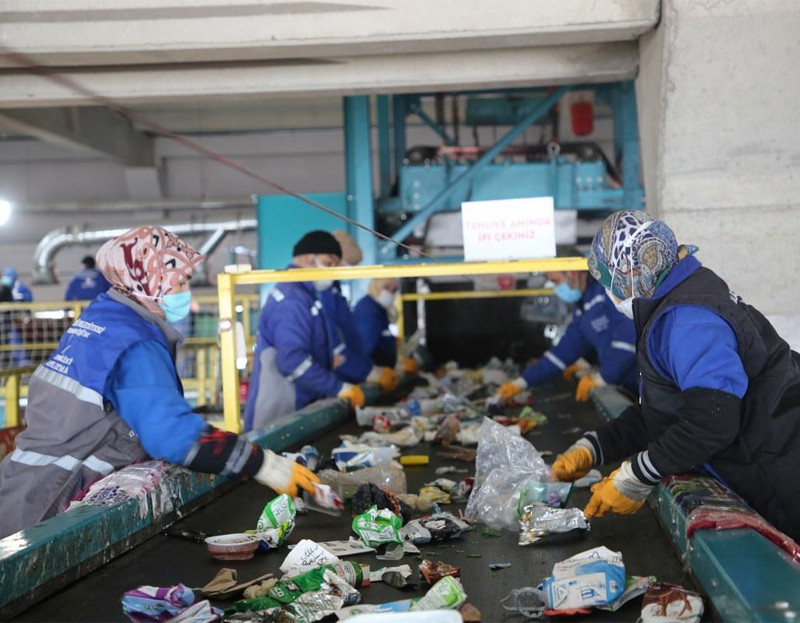
Pendik Municipality: Waste is collected by municipal crews and processed at Pendik Municipality Packaging Waste Sorting Facility (operational since 2018) before sale to licensed recyclers. Covering ~20% of households, methods include door-to-door bag collection, glass banks, containers, mobile drop-off centers, semi-trailer logistics for large generators, and stationary personnel in dense areas.
Kadıköy Municipality: The municipality collects waste directly and sells it to licensed facilities for sorting. Operations involve door-to-door blue bag collection across nearly 5,000 addresses weekly, on-street containers, and mobile collection stations.
Ataşehir Municipality: Collection and sorting are executed via contracted licensed facilities. Infrastructure includes indoor bins in schools, malls, and public buildings, street containers, and 16 mobile waste collection centers.
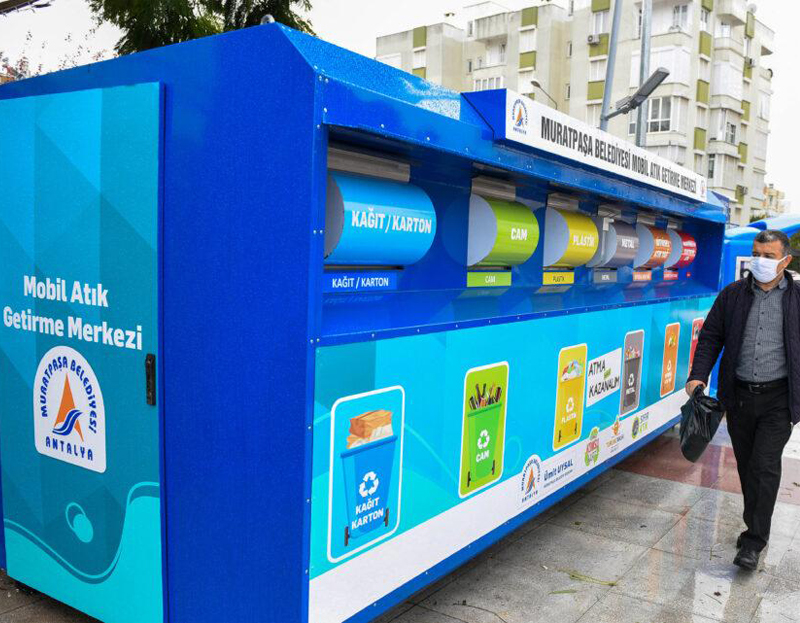
Muratpaşa Municipality: Activities are conducted through contracted licensed operators, covering approximately 55% of the local population via door-to-door services, cages, indoor containers, mobile collection points, and smart reverse vending machines.
Major Operational Challenges Identified
Participating municipalities reported several structural hurdles:
High Collection Costs: Rising expenses for vehicles, fuel, labor, containers, and distribution bags exceed scrap sale revenues, causing operational losses amid limited municipal financial support.
Informal Waste Pickers & Vandalism: Damage to containers and collection centers, stolen waste, and broken locks disrupt planning and drive up maintenance costs.
Public Participation Gaps: Inconsistent household segregation or incorrect sorting habits reduce overall system efficiency.
Direct Commercial Sales by Zero Waste Certified Entities: Certain hotels, supermarkets, and commercial businesses selling waste directly to third-party recyclers bypass municipal coordination, impacting licensed contractor engagement.
Statement from ÇEVKO Foundation Secretary General Mete İmer
Mete İmer, Secretary General of ÇEVKO Foundation, stated:
Our research shows that municipalities have built significant operational expertise over the years. To protect, reinforce, and expand this knowledge base, we need a structure founded on Extended Producer Responsibility where local governments are not left alone, and where brand owners, manufacturers, retailers, and citizens assume shared responsibility. The framework Turkey needs is a robust source-separation system that scales successful practices, ensures economic sustainability, and increases citizen involvement. At ÇEVKO Foundation, we advocate for the implementation of Extended Producer Responsibility to ensure recyclable waste is collected separately and sustainably under municipal coordination.