




◆How did Kazım Süren’s lifelong journey begin?
I started in the sector at a very young age. I first saw a leather factory in 1972 in Kazlıçeşme, at the workplace where my uncles were employed. Later, when my father lost his arm in a leather factory accident, the profession became even more defining for me.
I began my career about 45–46 years ago, producing on a subcontract basis in a small workshop. In 1985, I co-founded a company called “Derimsan” with a friend. We quickly brought the company to a leading position. After leaving the partnership, I brought my three brothers on board as partners at Derimsan in 1994. In 2008, I transferred Derimsan to my brothers and continued my journey under my own name, operating under Kazım Süren Deri ever since.
◆What does leathercraft mean to you?
Our profession is quite demanding. In the past, it was said that people going on pilgrimage would exchange their money with tanners, as it was believed that “a tanner’s earnings are honest.” This is because the profession requires both great effort and hard work. It is not a job everyone can do; you truly have to love it. Without that passion, it is not possible to succeed in this field. Leathercraft requires care and attention. When you hold leather in your hands, you need to appreciate it and value it. This is a profession that can only be practiced properly with genuine dedication.
◆How does a passion last for half a century? Have you ever said, “That’s it, I’m quitting”?
I have never said that. Because when you create a new product and see that it finds a response in the market, the excitement you feel already pushes you forward. Once you experience that feeling, you cannot think of anything else.
What still excites me today is developing new products and trying new styles. Despite some health issues, I continue to pursue this excitement. My greatest motivation has always been to produce and to bring something new to life.
◆How does character take shape in production?
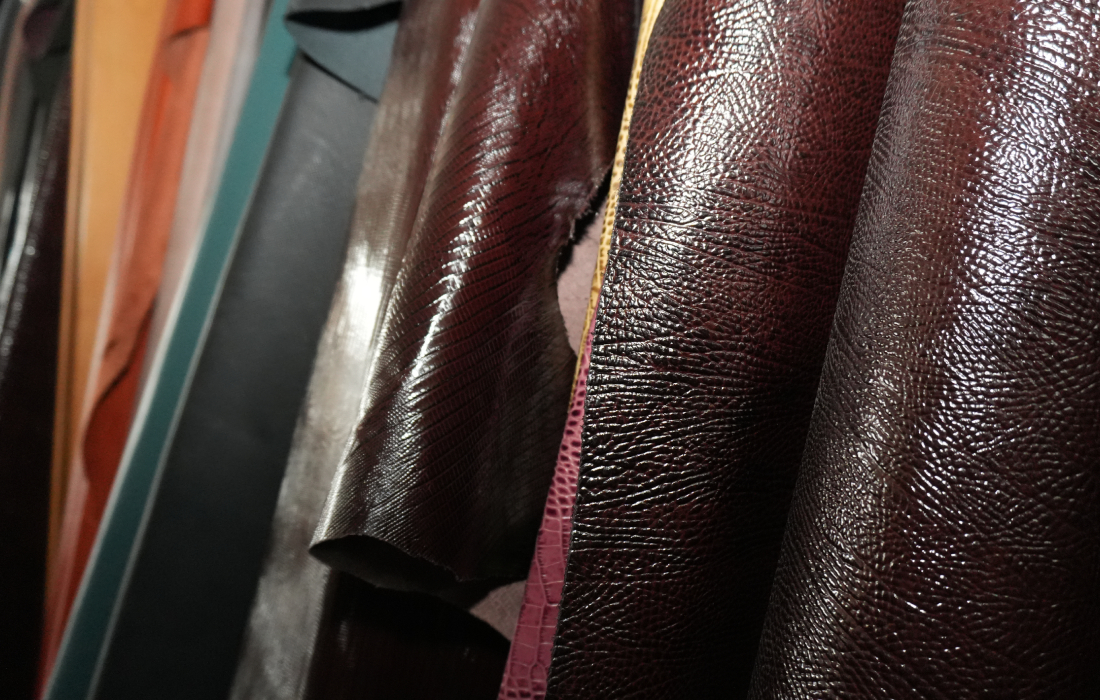
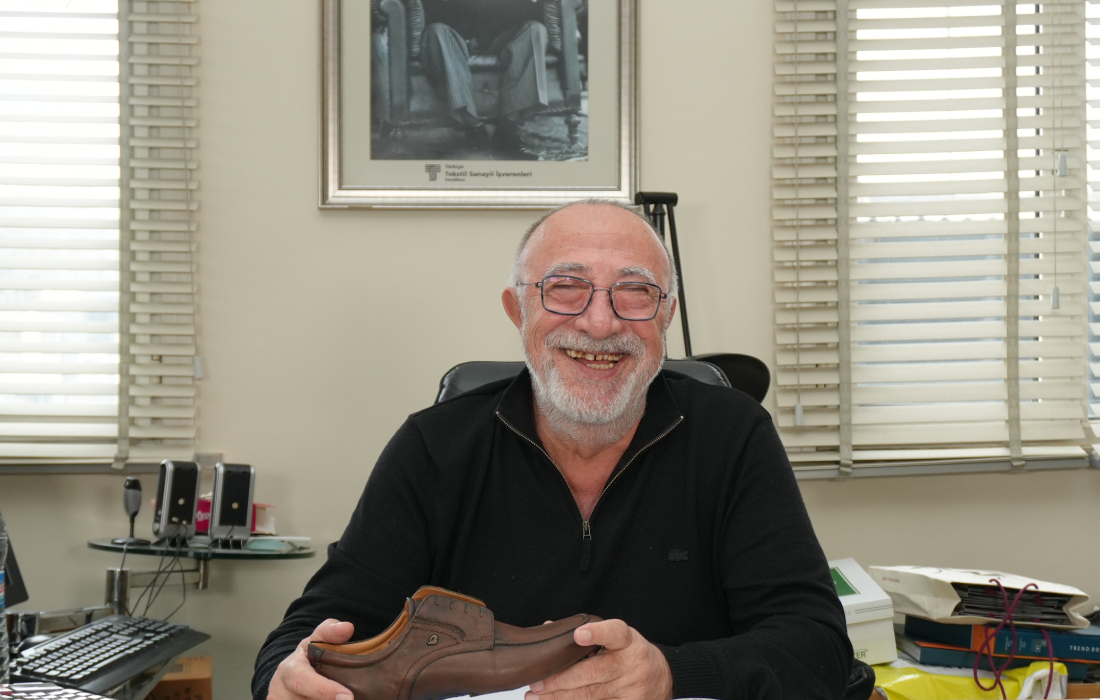
We focus on boutique and high-quality production. Rather than making what everyone else produces, we prefer more original products with character. When different textures such as nubuck, oiled leather or soft leather are combined with the right color and quality, the product naturally finds its own market.
My personal vision is to follow innovation without copying it directly. We keep an eye on trends in Europe, but adapt them to our own line. Because not every European trend finds an immediate response in Türkiye. The key is to read fashion correctly and be ready when the right time comes.
◆What truly makes a master a master?
For me, mastery is first and foremost about work ethic.
One must have a strong sense of professional ethics. Along with this, being able to produce at a certain standard and consistently maintain the same level of quality is also an important part of mastery.
In other words, mastery means carrying both work ethic and technical knowledge together.
◆How do you read the current state of the sector?
Throughout my professional life, we have experienced many crises. Each time, we continued our work by saying, “It will improve in two months, it will recover in three,” and we managed to overcome short-term fluctuations.
However, the situation over the past three or four years has been much more challenging. While costs have increased significantly, the exchange rate has remained relatively stable, which has put pressure on the sector. As expenses rise rapidly but revenues do not increase at the same pace, both the sector and our company are facing serious difficulties.
◆How has leathercraft in Türkiye changed over time?
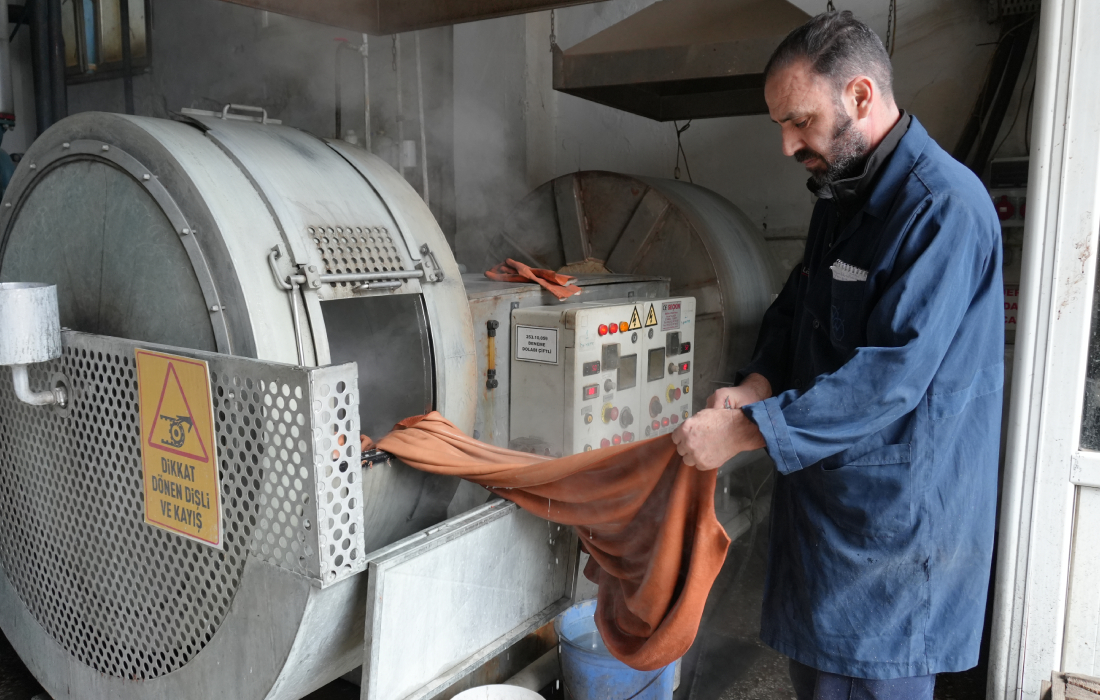
The biggest change in the sector since I started has been in consumer habits. In the past, leather was used more widely, whereas today artificial leather, commonly known as vinlex, is preferred more often due to its price advantage. Since leather is a costly material, it remains relatively expensive, which directly affects demand.
Especially during the summer months, the shift toward artificial products increases. However, artificial leather is not an ideal material in terms of health. Yet as purchasing power declines, consumers tend to prioritize price, and whether the product is healthy or not often becomes a secondary consideration.
◆How can a profession that begins with touch exist in a digital world? Does it create a challenge when customers buy a product without seeing or touching it?
It may raise some concerns, but the key factor is trust. Customers who know the company and its standards feel confident placing orders, sometimes even without checking the product. This trust cannot be bought; it is earned over time. Our 45–46 years of consistent work have built this confidence, though for new customers, buying leather without touching it can still be challenging.
◆How do you remember the period when color options began to expand?
When I first started in this profession, color options were quite limited. In winter, black and brown were generally preferred; in summer, black, white, and sometimes burgundy or navy blue. Beyond these, there were not many different colors available.
More colorful and diverse leather options began to become widespread after 1995. Before that, there were not as many rich and bold color alternatives as we see today.
◆Where would you advise a young person to begin in this story?
When I first started in this profession, I went to a factory and said I wanted to work without asking for a salary. I worked for two months without pay because my goal was not money, but to learn the job.
Today, however, many young people talk about salary and position before even starting work. Yet the real question should be: “What can I contribute to this job?” Without understanding the process on the ground and learning production, it is not easy to become a manager. A person cannot effectively manage a job they do not truly know.
For this reason, I have always believed it is valuable to learn the job first in the workshop. People who grow in the field and learn the work by experiencing it are often better equipped.
◆Do you think the new generation shares the same enthusiasm as you?
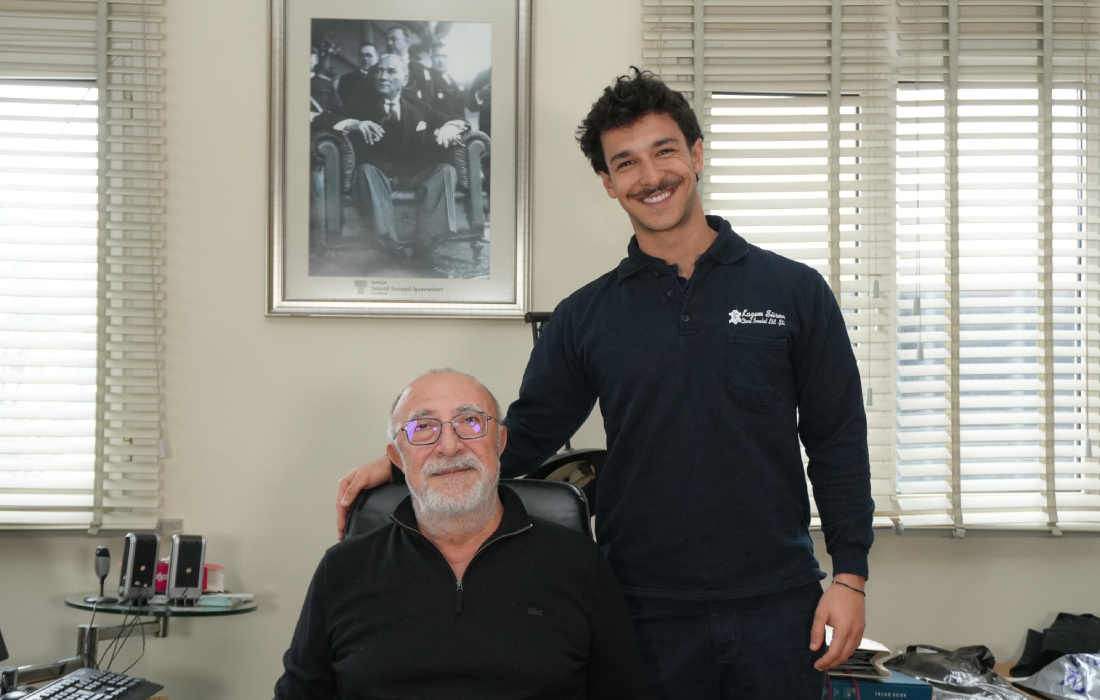
My son is quite interested in this profession. Although he has only recently been involved in the business, he is doing quite well. He is interested and open to learning. Hopefully, he will carry this work forward.
◆When he said, “I want to do this job too,” what did you tell him in particular?
The first thing I told him was this: “Our profession is very demanding.” It truly requires dedication. You have to wake up early, be at the factory before the workers, and stay at the center of the process. For me, continuing the profession is not only about learning the job, but also about carrying forward its culture and ethics.
This profession requires loving both leather and people; knowing the product alone is not enough. This work does not tolerate arrogance. You have to remain humble and never look down on anyone.