







What Is Polyurethane and Why Is It Important?
Polyurethane is a highly versatile polymer that can exhibit a wide range of properties, from soft and flexible to rigid and durable. Thanks to this adaptability, it can be manufactured in both foam form, such as cushioning materials, and as solid structural components. In the automotive industry, material selection depends on key criteria such as lightweight performance, durability, flexibility, and thermal and acoustic insulation. Polyurethane stands out because it can provide most of these properties simultaneously, making it a widely preferred material in modern vehicle manufacturing.
Where Is Polyurethane Used in Cars?
Polyurethane is used in many different parts of a vehicle. Although it often goes unnoticed, a significant portion of comfort and performance inside a car depends on this material. Its ability to be produced in various forms allows it to be used in both interior and exterior components.
Common applications include:
- Seat cushions
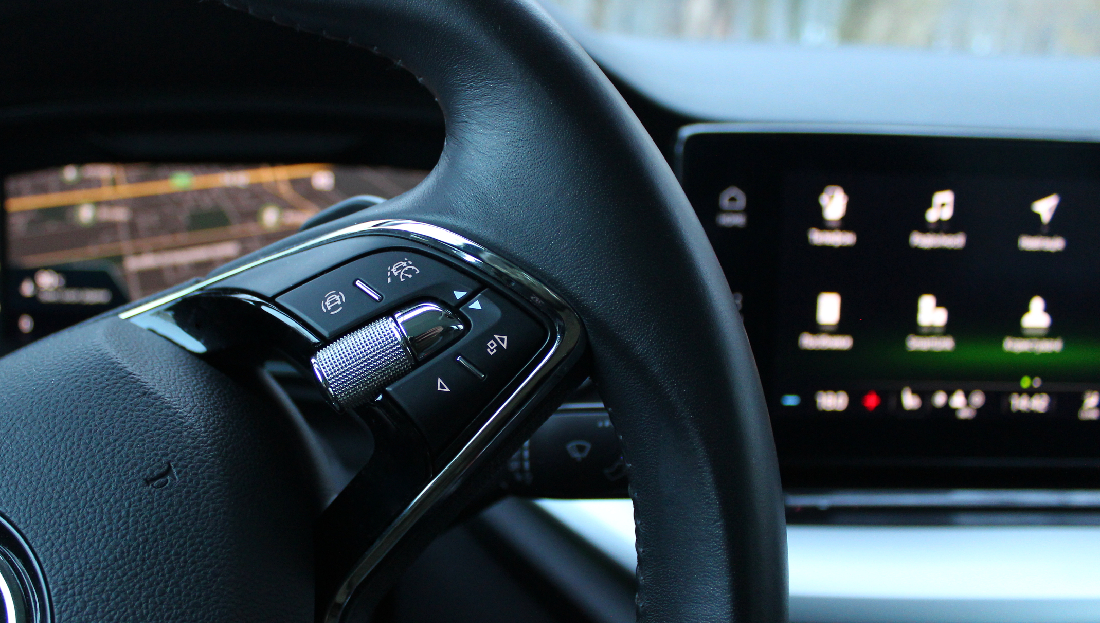
- Steering wheel coatings
- Interior trim components
- Roof and door panels
- Insulation materials
- Bumpers and exterior parts
This wide range of applications highlights the versatility of polyurethane.
Comfort: Seating and Interior Applications
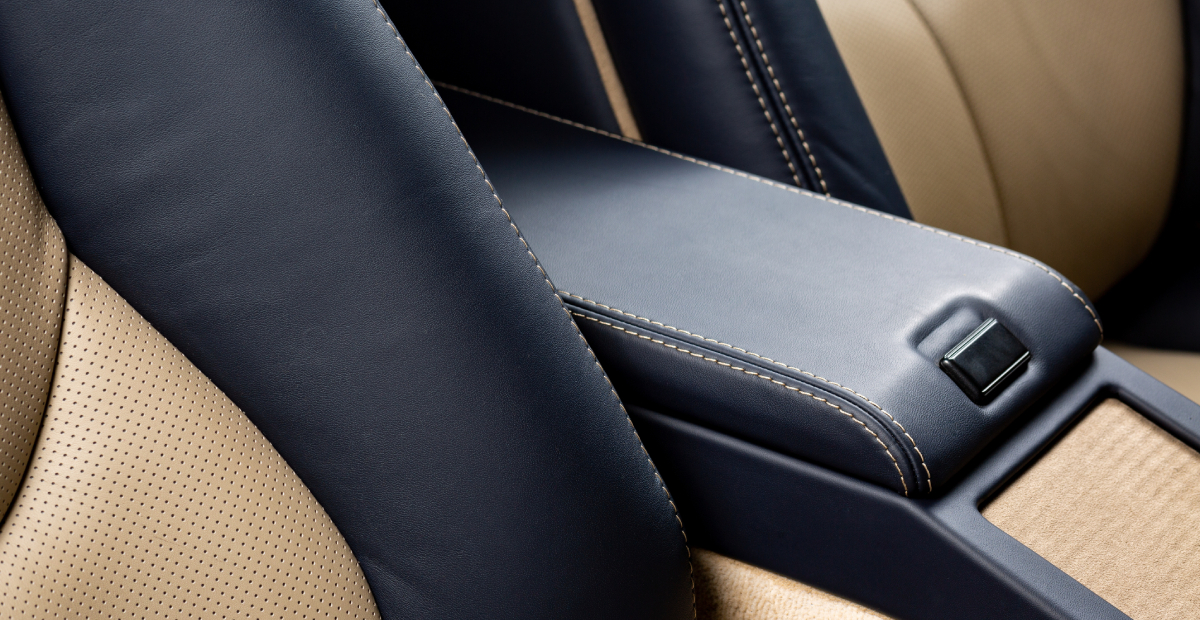
Polyurethane foam used in car seats is one of the key elements of driving comfort. It distributes body weight evenly, reducing pressure points during long journeys. At the same time, its flexible structure provides support and enhances ergonomic seating.
Key comfort-related properties of polyurethane foam include:
- Shock-absorbing capability
- Ability to retain shape over time
- Adjustable density for different needs
These features allow manufacturers to combine comfort with long-term durability.
Thermal and Acoustic Insulation
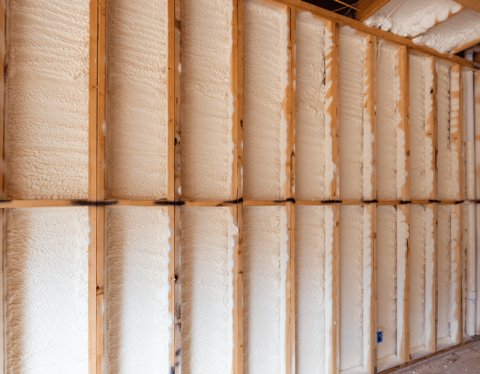
Polyurethane is not only used for comfort but also plays a critical role in insulation. It helps reduce engine noise and road vibrations while maintaining a stable interior temperature.
Its insulation performance is based on:
- Absorbing sound waves
- Limiting heat transfer
- Enhancing overall cabin comfort
As a result, it contributes to a quieter and more balanced driving experience.
Lightweight Structure and Fuel Efficiency
In the automotive industry, vehicle weight is directly linked to fuel consumption and performance. Polyurethane’s low density helps reduce the overall weight of vehicles, which brings both environmental and economic benefits.
The main advantages include:
- Lower fuel consumption
- Reduced carbon emissions
- Improved driving performance
These benefits make polyurethane an essential material in modern automotive design.
Durability and Safety
Despite being lightweight, polyurethane is highly durable. Its resistance to impact makes it an important material for safety applications in vehicles. It can absorb energy during collisions, helping to protect passengers.
It is commonly used in:
- Bumper systems
- Impact-absorbing components
- Protective interior elements
These applications demonstrate its critical role in both durability and safety.
Advantages of Polyurethane
The widespread use of polyurethane in the automotive sector is due to its ability to deliver multiple benefits at once. It supports both performance and comfort in vehicle design.
Key advantages include:
- Lightweight yet durable structure
- Flexible manufacturing options
- Excellent thermal and acoustic insulation
- Shock-absorbing properties
- Long service life
These qualities make polyurethane a fundamental material in automotive engineering.
Polyurethane vs Other Materials
To better understand its advantages, it is useful to compare polyurethane with other common materials:
| Feature | Polyurethane | Metal | Plastic |
|---|---|---|---|
| Weight | Low | High | Medium |
| Flexibility | High | Low | Medium |
| Insulation | Excellent | Poor | Moderate |
| Durability | High | Very high | Medium |
| Comfort | High | Low | Medium |
This comparison clearly shows why polyurethane is so widely used.
Environmental Impact and the Future
Efforts to improve polyurethane production and recycling are ongoing. In particular, sustainable and bio-based polyurethane materials are becoming increasingly important in the automotive industry. In the future, more environmentally friendly production processes, recyclable materials, and lighter yet stronger structures are expected to play a key role.
Polyurethane for Lighter and More Comfortable Vehicles
The use of polyurethane in the automotive industry is not just a material choice; it is a strategic decision that affects performance, comfort, and efficiency. Modern vehicles require materials that can meet multiple demands simultaneously.
Thanks to its lightweight nature, durability, and versatility, polyurethane has become an indispensable component of modern automotive design.