







What Is Polyurethane? A Versatile Material in Modern Industry
Polyurethane stands out as one of the most widely used polymer materials in today’s industrial landscape thanks to its flexibility, durability, and broad range of applications. From construction and automotive manufacturing to furniture, energy, and refrigeration systems, polyurethane appears in many different forms. Its ability to adapt from rigid insulation foams to soft comfort layers, elastomers, coatings, and adhesives makes it a strong choice in terms of both performance and cost efficiency. In this article, we examine what polyurethane is, its key properties, main types, and the sectors where it is most commonly used.
What Is Polyurethane?
Polyurethane is a type of polymer formed through a chemical reaction between polyols and isocyanates. Due to its highly adaptable formulation, polyurethane can be tailored into a wide variety of products, including rigid foams, flexible foams, elastomers, coatings, and adhesives.
One of polyurethane’s most notable characteristics is that its density and hardness can be adjusted depending on the intended application. This flexibility allows the same material family to serve insulation needs, provide comfort solutions, and deliver high durability in demanding environments.
What Are the Key Properties of Polyurethane?
Polyurethane is widely adopted across multiple industries because it offers strong performance characteristics. The table below summarizes its main advantages and the areas where these properties become most significant.
| Property | What it provides | Where it stands out |
|---|---|---|
| Lightweight and durable | High strength with low weight | Automotive, construction, industrial equipment |
| Thermal insulation performance | Improves energy efficiency | Building insulation, cold storage, appliances |
| Flexibility and impact resistance | Enhances comfort and shock absorption | Furniture, mattresses, footwear |
| Chemical and abrasion resistance | Long service life in harsh conditions | Flooring systems, elastomer components |
| Adaptable structure | Available in rigid or soft forms | Multi-sector, specialized applications |
What Are the Main Types of Polyurethane?
Polyurethane types vary depending on the targeted performance. For this reason, polyurethane represents not a single product but a broad material family with multiple forms.
Rigid Polyurethane Foams
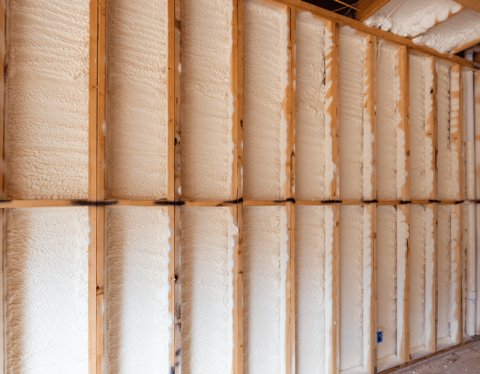
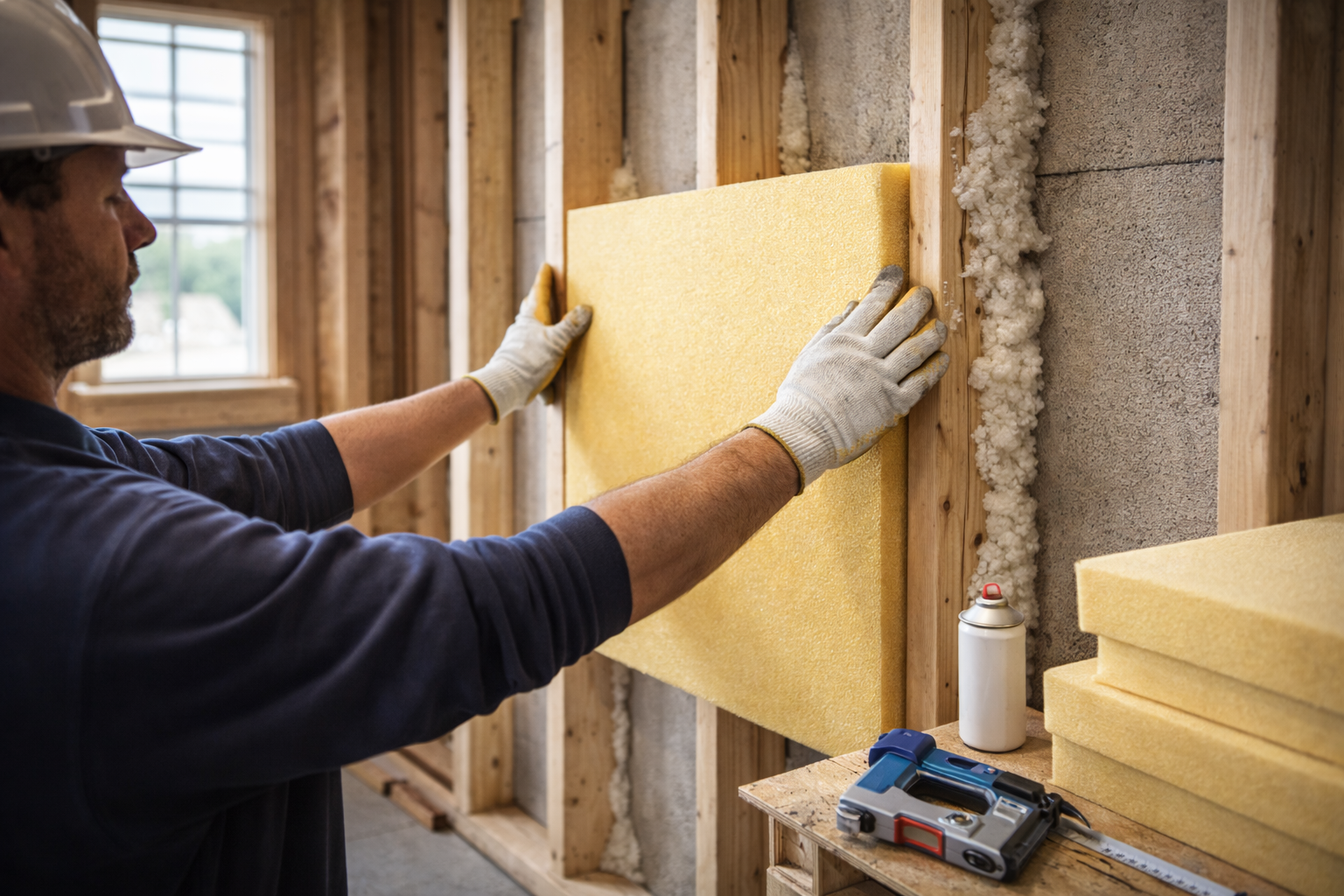
Rigid polyurethane foams are best known for their high thermal insulation performance. They are widely preferred in applications where energy efficiency is a priority.
Key application areas
- Building insulation panels
- Spray foam insulation systems
- Cold storage panel structures
- Refrigerator and industrial cooling insulation
Flexible Polyurethane Foams
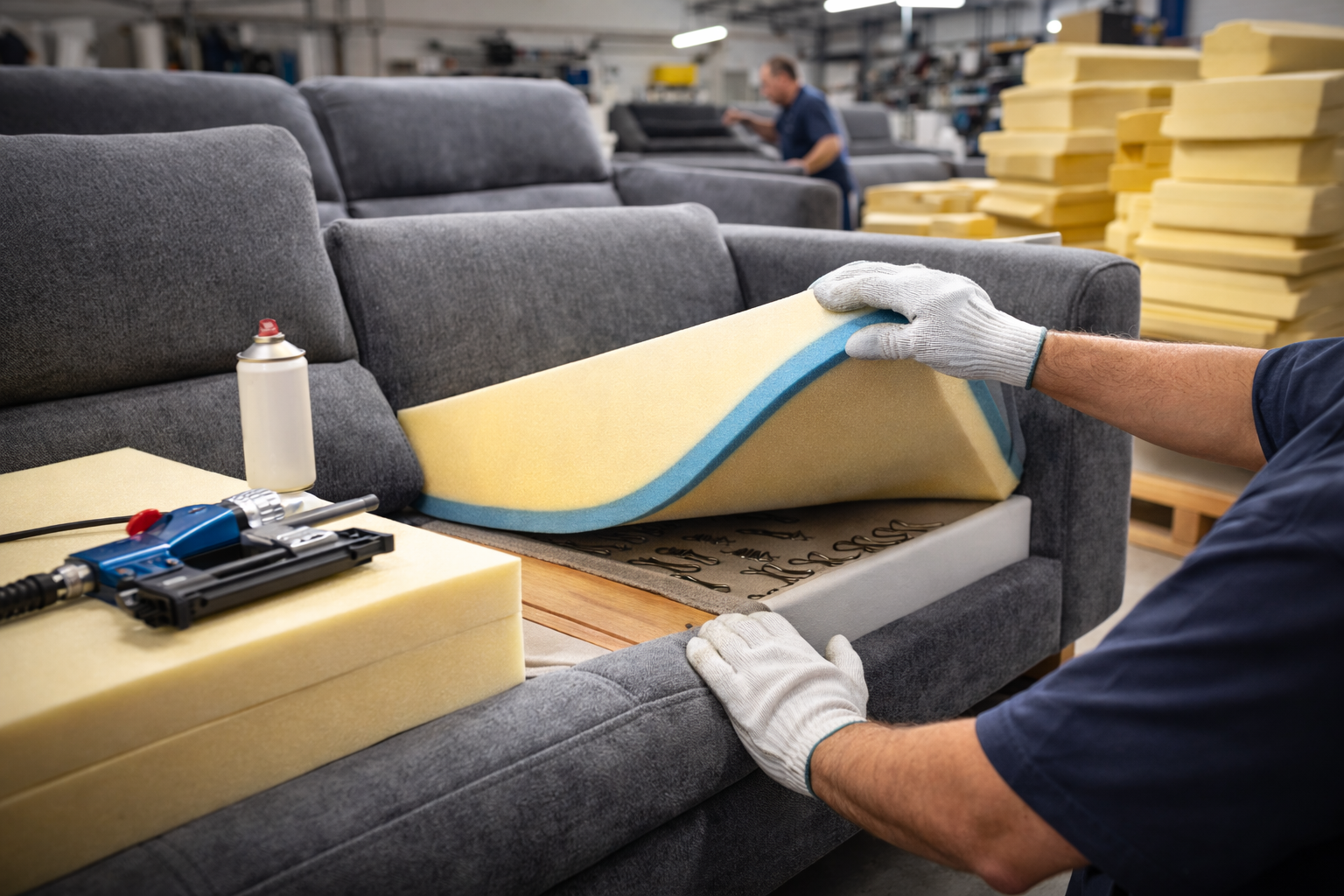
Flexible polyurethane foams stand out for comfort and impact absorption. They play a major role in everyday consumer products and interior applications.
Key application areas
- Furniture cushioning
- Mattresses and seating systems
- Automotive seats and interior upholstery components
Polyurethane Elastomers
Polyurethane elastomers combine flexibility with excellent abrasion resistance. They are considered a strong solution in industrial environments exposed to heavy mechanical stress.
Key application areas
- Wheels and roller systems
- Industrial seals and gaskets
- Machine parts subject to wear and impact
Polyurethane Coatings and Varnishes
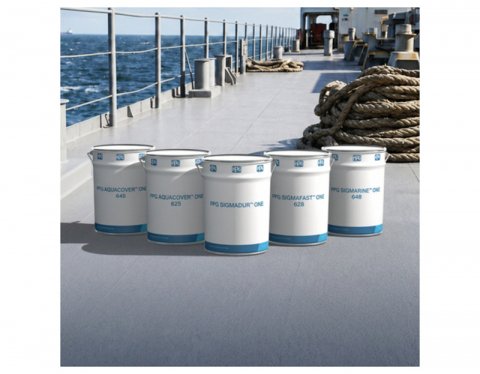
Polyurethane-based coatings protect surfaces against external damage and extend product lifespan. They are widely used in both decorative and industrial surface treatments.
Key application areas
- Industrial and decorative flooring systems
- Metal surface protection applications
- Wood varnish and finishing systems
Polyurethane Adhesives and Sealants
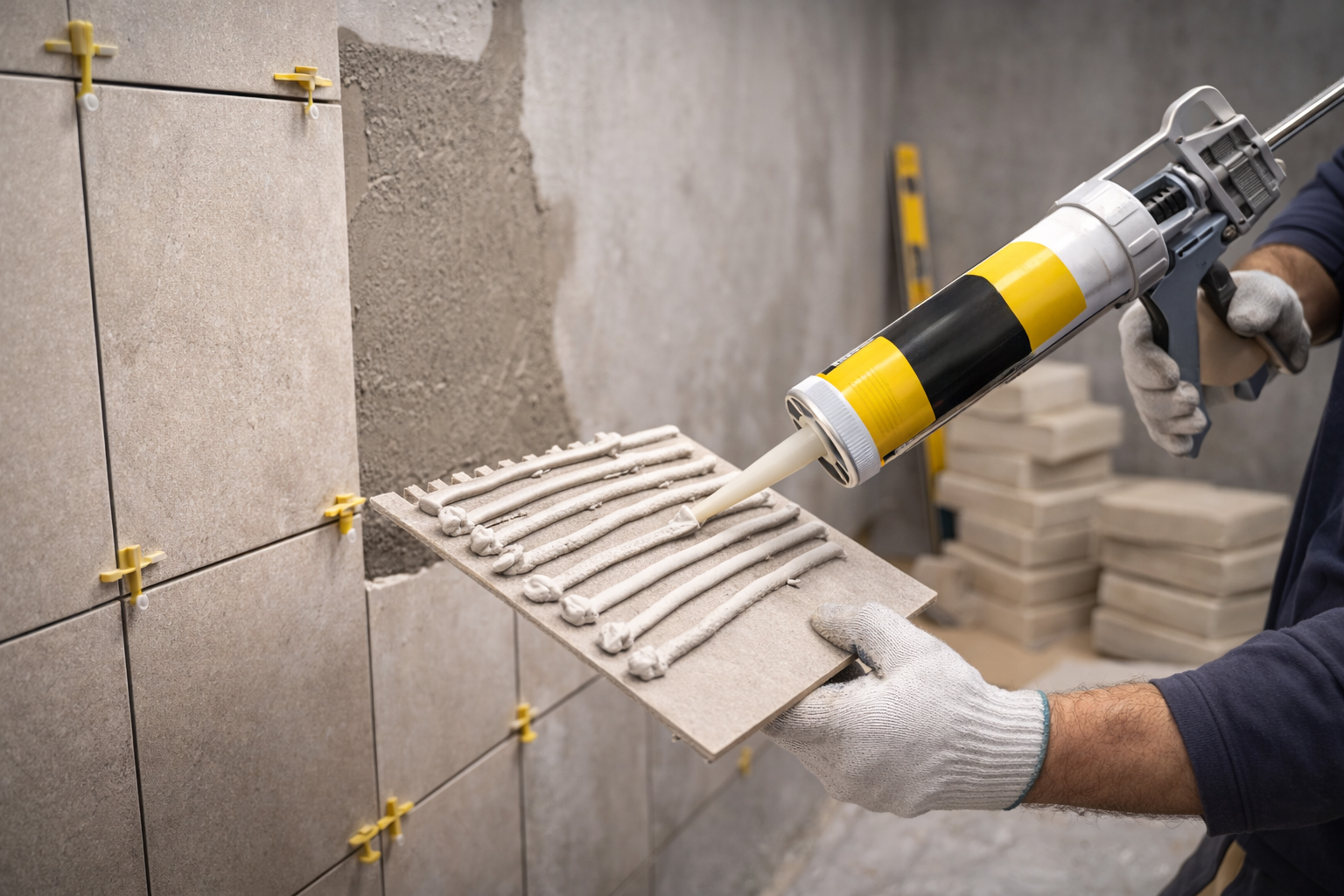
Polyurethane adhesives and sealants provide a strong balance of bonding strength and flexibility. They meet joining and sealing needs across construction and automotive sectors.
Key application areas
- Panel and façade bonding systems
- Joint filling and waterproofing solutions
- Automotive assembly and insulation applications
Where Is Polyurethane Used?
Because polyurethane can be adapted into many different forms, it is positioned as a strategic material across a wide range of industries. The table below outlines the most common application areas.
| Sector | Polyurethane applications | Typical examples |
|---|---|---|
| Construction and insulation | Energy-efficient insulation systems | Insulation panels, spray foam solutions |
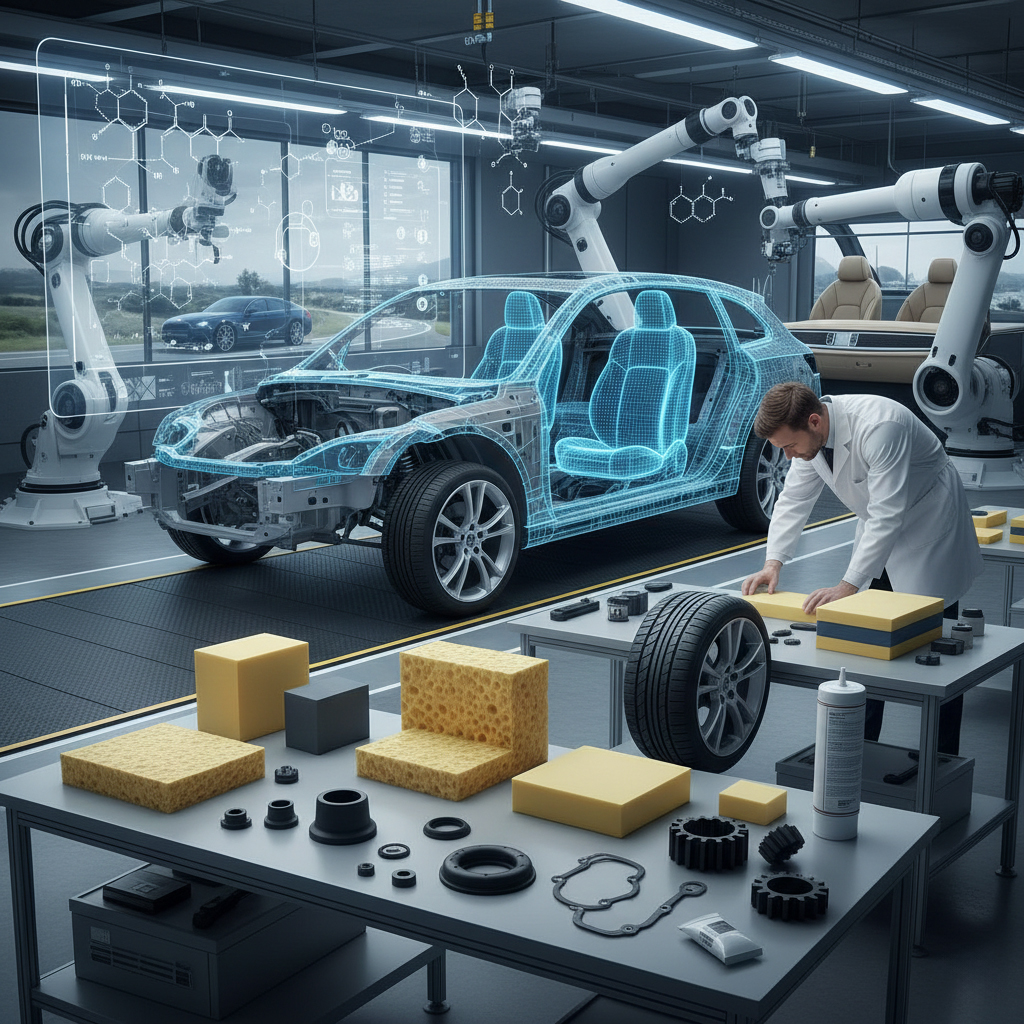
| Automotive | Lightweight, comfort, and noise control solutions | Seat foams, interior trim, insulation parts |
| Furniture and consumer products | Comfort and shock absorption | Cushions, mattresses, upholstery fillings |
| Industry | Wear-resistant mechanical solutions | Elastomer wheels, seals, rollers |
| Coatings and surface protection | Durability and protective performance | Flooring coatings, protective varnish systems |
| Energy and refrigeration | High insulation performance | Cold storage panels, appliance insulation |
The Future of Polyurethane and Sustainability
Polyurethane technologies continue to evolve with a growing focus on sustainability. Recycling options, bio-based raw materials, and reduced environmental impact targets are becoming increasingly visible priorities.
Bio-Based Polyurethanes
Systems developed with plant-based polyols aim to reduce reliance on fossil-based materials. This approach gains attention particularly in consumer goods and certain insulation applications.
Recycling-Focused Approaches
The recovery of polyurethane waste through mechanical and chemical methods is important for circular economy goals. Industry efforts increasingly highlight processes that improve material reuse and recycling rates.
Functional Polyurethanes
Polyurethane is not only valued as a structural material but also as a functional solution. Flame-retardant additives, antibacterial surfaces, and specialized formulations for enhanced durability represent key areas of development.
Why Polyurethane Matters
Polyurethane holds a critical place in modern industry because it combines durability, insulation performance, flexibility, and design adaptability within a single material family. As polyurethane types and applications continue to expand, sustainability-driven solutions also become more central in shaping the future of this versatile polymer.