






Earthquake Reality Extends to Industrial Infrastructure
Türkiye’s location on active fault lines makes earthquakes an unavoidable reality not only for communities but also for industrial production and economic systems.
The 1999 Marmara Earthquake and the devastating February 6, 2023 earthquakes highlighted once again the importance of risk mitigation and business continuity planning in industrial regions.
During Earthquake Awareness Week (March 1–7), the issue has once again come to the forefront. GEBKİM OSB, Türkiye’s first chemical specialized organized industrial zone, has emerged as a notable example with its disaster preparedness initiatives.
The zone is implementing a comprehensive model through search-and-rescue capacity, emergency response infrastructure, training programs, and international resilience projects, demonstrating the importance of building a disaster-resilient industrial ecosystem.
27-Member Search and Rescue Team Ready
To ensure industrial continuity and employee safety, GEBKİM OSB has been systematically developing disaster preparedness measures for years.
Within this framework:
-
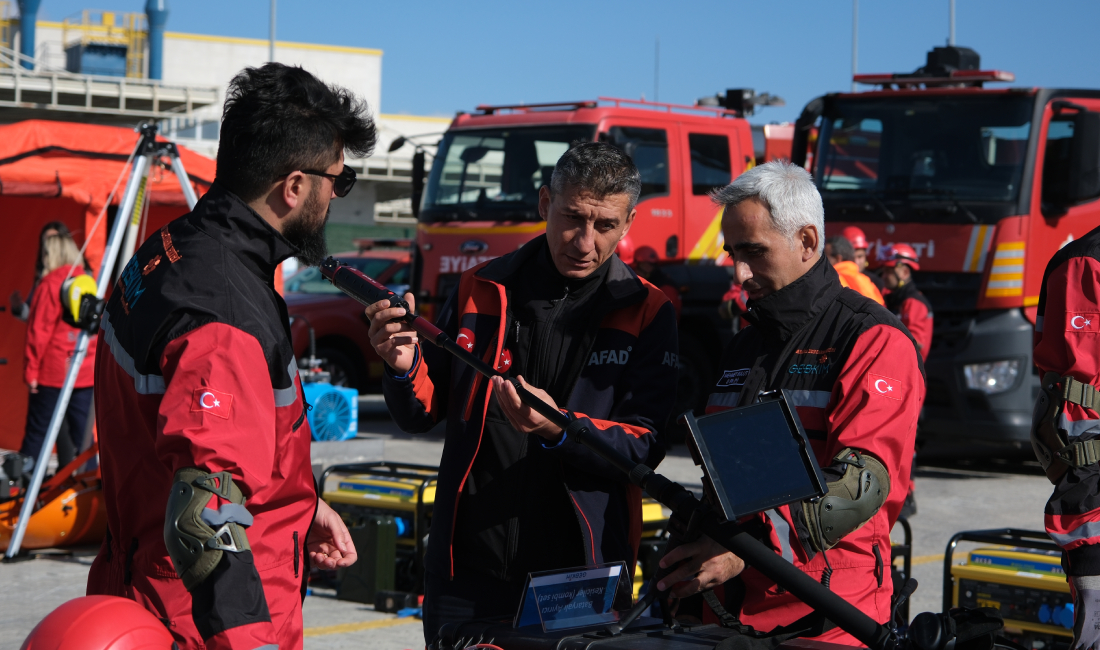
A 27-member light-level search and rescue team has been established
-
Specialized earthquake response containers equipped with rescue equipment have been installed across the zone
These containers include:
-
Under-rubble search devices
-
Thermal imaging cameras
-
Seismic acoustic listening systems
-
Cutting and breaking equipment
Additional resources such as generators, lighting systems, emergency shelter tents, chemical decontamination tents, firefighting rescue vehicles, construction machinery and logistical equipment are also kept ready for potential disaster scenarios.
This infrastructure aims to enable rapid and coordinated intervention after a disaster.
First in Türkiye: Emergency Response Software
Disaster preparedness at GEBKİM OSB goes beyond physical infrastructure. Human awareness and training are also considered essential components of resilience.
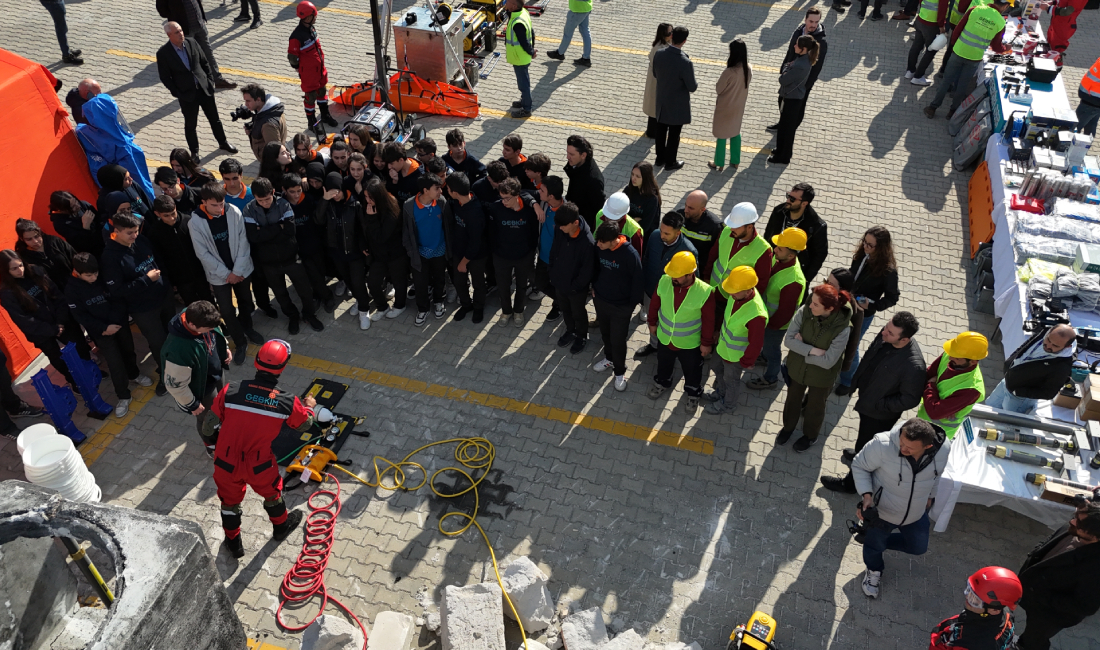
In this context, the zone regularly organizes training programs, seminars, and awareness activities for companies operating within the industrial zone.
Through the Emergency Response Software, implemented for the first time in Türkiye at GEBKİM OSB, nearly 2,000 people have received disaster and emergency response training so far.
These programs aim to ensure that employees develop the correct response skills during earthquakes and other emergencies, which is crucial both for human safety and production continuity.
Risk Reduction under the Provincial Disaster Risk Reduction Plan
A significant portion of the preparedness work at GEBKİM OSB is carried out under the Kocaeli Provincial Disaster Risk Reduction Plan (IRAP).
Within this framework:
-
Structural durability and reinforcement assessments are conducted
-
Disaster risk reduction planning is implemented
-
Emergency preparedness programs are carried out together with participating companies
The main goal is not only to strengthen response capacity after disasters but also to create a resilient industrial infrastructure that reduces risks in advance.
Business Continuity through the RESMAR Project
Another key element of GEBKİM’s disaster preparedness strategy is business continuity management.
The industrial zone is among the pilot organized industrial zones in the RESMAR Project, co-financed by the European Union and AFAD, titled:
“Strengthening the Disaster Resilience of Industrial Enterprises through Business Continuity Management – Marmara Region Application.”
During technical visits conducted within the project, representatives from AFAD and related institutions evaluated:
-
Business impact analyses
-
Business continuity plans
-
Disaster management processes
These studies aim to ensure that industrial facilities can maintain production and supply chains after disasters.
“Every Factory Is a Fortress”
Vefa İbrahim Aracı, Chairman of the Board of GEBKİM OSB, emphasized that earthquake preparedness represents a major responsibility for industrial zones.
According to Aracı, industrial facilities are strategic centers representing the country’s production power.
“Our country is located in an earthquake zone and we must learn to live with this reality. Atatürk’s statement ‘Every factory is a fortress’ is very meaningful for us. Preparations carried out in industrial zones are vital both for employee safety and production continuity.”
Aracı also noted that international collaborations such as the RESMAR Project aim to make industrial organizations more resilient to disasters.