








Researchers from Koç University’s Department of Chemistry have developed an innovative, eco-friendly and cost-effective chemical synthesis method for producing light-responsive polymeric materials. The study was published in the prestigious scientific journal Nature Communications.
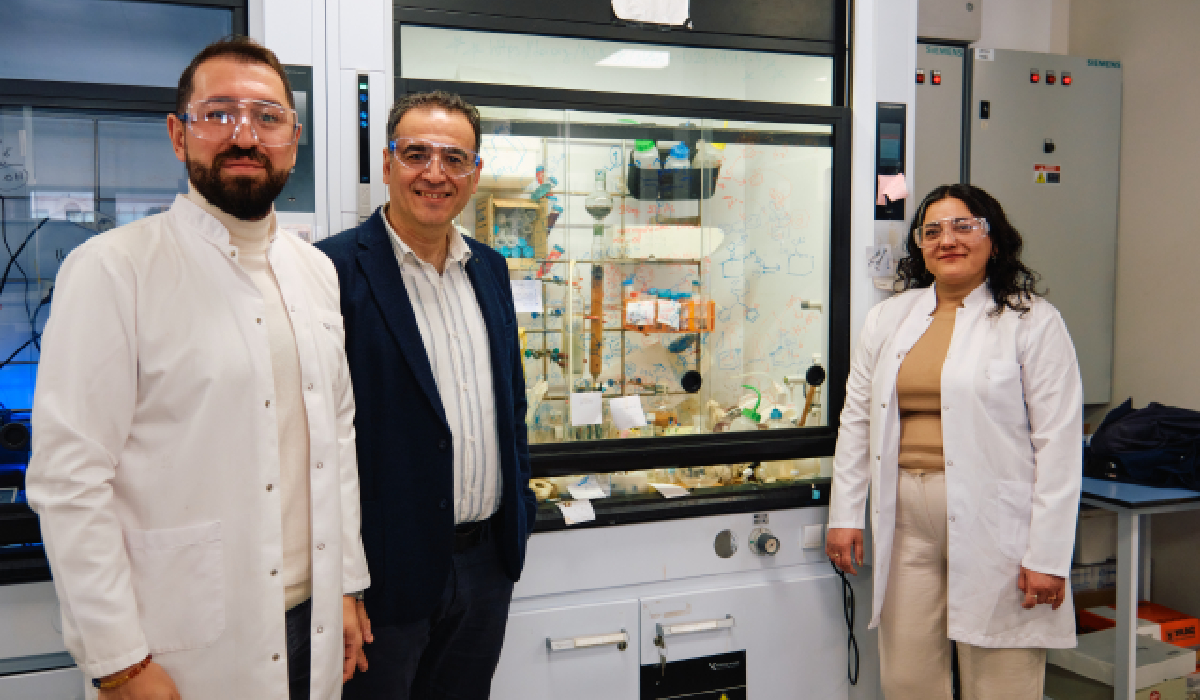
Led by Prof. Dr. Önder Metin, the research team, including Dr. Melek Sermin Özer, Dr. Zafer Eroğlu, and Prof. Dr. Sermet Koyuncu, demonstrated that polymer production can be achieved using visible light alone, paving the way for more sustainable material technologies.
Metal-Free Production Under Ambient Conditions
Unlike conventional polymer synthesis methods that require high temperatures and expensive metal catalysts, this new approach enables production at room temperature and without metal catalysts. The process can be directly activated by sunlight, significantly reducing environmental impact.
The resulting materials consist of porous polymer structures containing millions of microscopic cavities. These structures can interact with light and generate reactive species capable of accelerating chemical reactions.
Broad Applications in Energy and Environmental Technologies
One of the most notable features of these next-generation polymers is their ability to convert light energy into chemical transformations. This makes them strong candidates for applications in:
- Energy generation
- Environmental remediation
- Sustainable chemistry processes
The method also allows the direct incorporation of halogens such as bromine and iodine into the polymer structure, enabling precise tuning of optical and electronic properties.
Advancing “Smart Materials”
The research significantly improves the accessibility of “smart materials” that respond to external stimuli such as light, heat, or electricity. This advancement could enable a wide range of future technologies, from self-healing surfaces to solar-powered systems, medical applications, and flexible electronics.
How the Method Works
The method utilizes bismuthene, a two-dimensional semiconductor material activated by light. Once activated, it initiates chemical reactions that allow molecular building blocks to assemble into high-molecular-weight, structurally controlled polymers.
Experimental results show that these materials can efficiently accelerate chemical reactions under light, confirming their potential for use in energy and environmental applications.
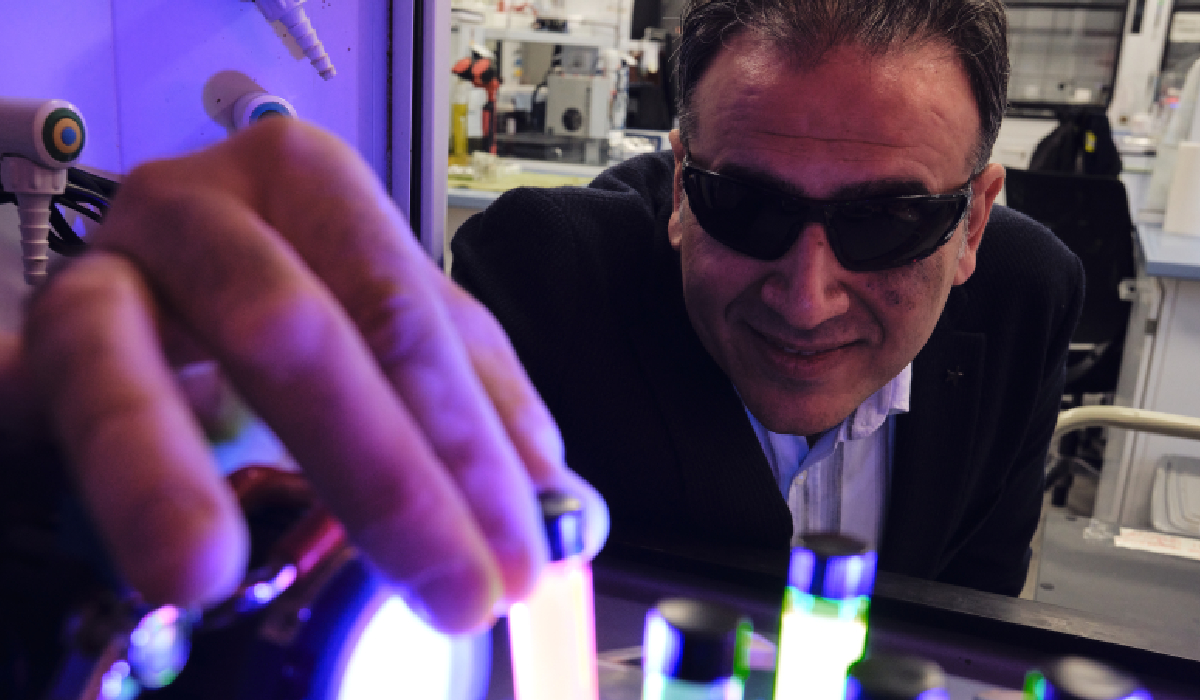
About Prof. Dr. Önder Metin
Prof. Dr. Önder Metin is a faculty member in the Department of Chemistry at Koç University and leads the Metin Research Group. His research focuses on nanomaterials, catalysis, photocatalysis, and functional materials for clean energy applications.
He conducts internationally recognized studies in areas such as metal nanoparticles, two-dimensional (2D) materials, hydrogen production and storage, electrocatalysis, and sustainable organic synthesis. Prof. Metin received his PhD in Chemistry from Middle East Technical University and completed his postdoctoral research at Brown University in the United States.
His work contributes to critical fields such as sustainable chemistry and energy transformation. He has been awarded the TÜBA Outstanding Young Scientist Award (GEBİP) in 2014, the TÜBİTAK Incentive Award in 2017, and the BAGEP Young Scientist Award from the Science Academy.