





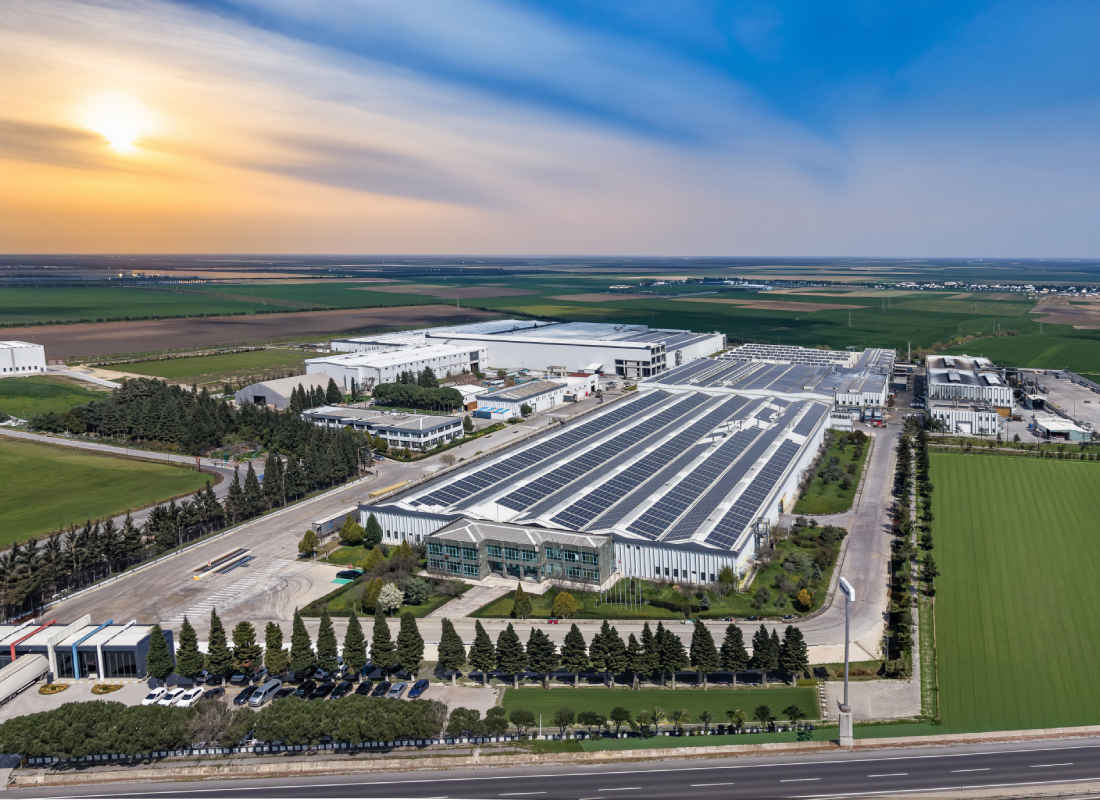
Sistem Alüminyum, which stands out in the aluminium sector with its integrated production infrastructure, export strength and high production capacity, is accelerating its investments in digital transformation and low-carbon production.
The company is making its operations more agile and measurable through SAP S/4HANA optimization, Salesforce CRM applications, RPA solutions and digital quality management systems. Real-time data analytics enable instant monitoring of production performance, energy consumption and operational processes.
Digital quality management systems provide end-to-end traceability from production to shipment, while ASRS automated storage systems increase speed and stock accuracy in warehouse operations. This structure supports the company’s efficiency targets in both production and logistics processes.
“Global Competition Is Being Shaped by Data Management”
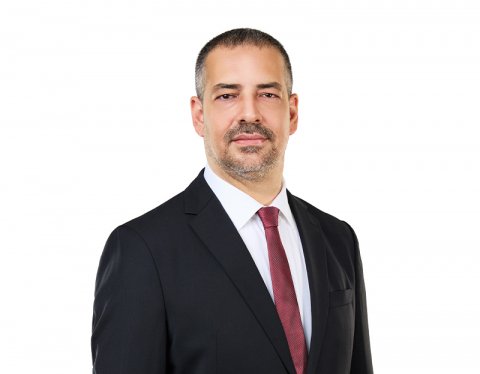
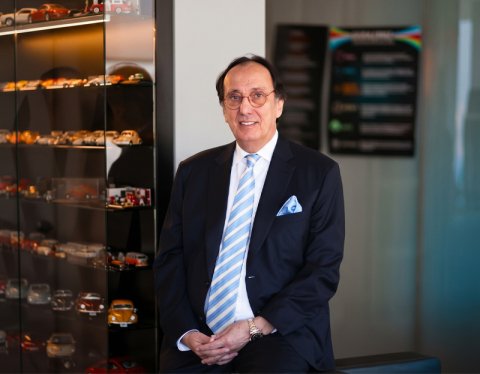
Ayhan Yerekaban, Chairman of the Executive Board at Sistem Alüminyum, stated that digitalization has become one of the key elements of competition in industry:
Global competition is no longer shaped only by production capacity, but also by data management, sustainability and operational agility. We see digitalization not merely as a technology investment that improves efficiency, but as a strategic transformation area that supports sustainable growth. Thanks to our data-driven production infrastructure, we manage all processes from production to shipment in a faster, more efficient and more sustainable way.
According to Yerekaban, changing customer expectations and increasing sustainability regulations have made data management even more critical in industry. Real-time data analytics also contributes to faster management of operational risks and shorter response times to customer demands.
Low-Carbon Production Target Strengthens
Sistem Alüminyum positions digitalization as an important part of its sustainability goals. The company aims to reduce its carbon footprint by 55% by 2030 and become carbon neutral by 2050.
Energy efficiency projects, digital energy management systems and renewable energy investments form the basis of these targets. Thanks to its solar power investments, approximately 25% of the factory’s electricity needs are met from solar energy.
The company also supports its alignment with the European Green Deal and CBAM through product-based carbon management studies, including LCA and EPD work.