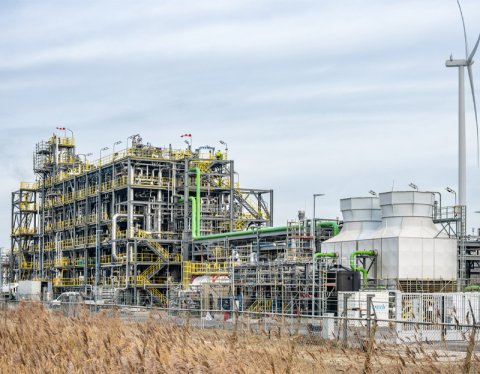








Chemical contamination liability has triggered the operational exit of a major fluoropolymer plant in the United Kingdom. AGC Chemicals Europe has entered into a mandatory 45-day consultation period with its 190 employees and labor union representatives regarding the proposed closure of its manufacturing unit, citing four consecutive years of operational losses and mounting regional regulatory pressures.
The legal pressure solidified last week when law firm Leigh Day wrote to AGC on behalf of local resident Sam Hammond. Independent testing of duck eggs from Hammond’s property revealed PFOA levels so extreme that consuming a single egg would exceed the European weekly safety ceiling by ten times.
Decades of Historical Emissions and Agricultural Restrictions
The technical and environmental parameters surrounding the Thornton-Cleveleys plant include:
49-Tonne Release Footprint: Between the 1950s and 2012, the facility released an estimated 49 tonnes of PFOA—a persistent organic pollutant linked to kidney and liver cancers—into the surrounding atmosphere. PFOA was banned globally in 2020.
Crop and Land Injunctions: Following soil tests conducted by the UK Environment Agency, two local allotment gardens were permanently shuttered. Residents continue to receive directives to peel homegrown vegetables and avoid consuming locally produced poultry products.
Epidemiological Discordance: While a government-commissioned study identified elevated rates of kidney cancer in the area, the regulatory medical cell concluded there was no evidence of a localized geographic cancer cluster, a statement AGC uses in its defense against environmental liability claims.
Transitioning to Alternate PFAS Derivatives
While AGC discontinued utilizing PFOA in 2012, its current manufacturing relies on the imported processing agent EEA-NH4, another subgroup of forever chemicals. The UK Health and Safety Executive (HSE) is currently evaluating whether to officially classify EEA-NH4 as a "possible carcinogen."
AGC management stated that if the decision to shut down is finalized, the firm remains contractually and legally bound to retain environmental monitoring staff to guarantee compliance under its existing environmental permits.