




Across the global energy and downstream petrochemical sectors, expanding asset lifecycles, driving carbon abatement frameworks, and solidifying refinery-petrochemical integration function as primary metrics for sustainable operational longevity. SOCAR, a premier integrated energy conglomerate, has deployed a strategic corporate asset upgrade for Petkim—Turkey’s foundational and sole integrated petrochemical manufacturer with a 61-year corporate lineage. On July 9, 2026, an MoU was signed in Baku between SOCAR and Technip to advance technical engineering frameworks.
The signing signals a critical transition phase within the Petkim Master Plan framework. Following the successful evaluation and closure of the Pre-FEED cycle in late 2025, the joint working groups are shifting focus toward full contract parameters. The enterprise maps out the absolute finalization of FEED contract guidelines during Q3 2026, triggering structured design processing loops shortly thereafter.
Technical Scoping of FEED Tracks and Downstream Integration
Within large-format capital-intensive heavy industries, Front-End Engineering Design (FEED) represents the benchmark phase that cross-examines technical risk indices and shapes baseline Capital Expenditure (CapEx) metrics before final investment decisions (FID). The engineering track conducted alongside Technip will evaluate several architectural components:
Licensed Tech Selection and Custom Configuration: Determining specialized process designs and adopting advanced engineering systems to adapt Petkim's current layout to evolving international supply specifications.
Granular Financial Forecasting and Commercial Viability: Mapping definitive asset cost margins, dynamic installation timelines, and internal rates of return (IRR) aligned with international financing compliance matrixes.
Refinery Sinergy Mapping: Strengthening the structural integration lines connecting Petkim with STAR Refinery to unlock raw material sourcing efficiencies and isolate the processing ecosystem from global petrochemical feedstock volatility.
Structural Industrial Transformation Frameworks
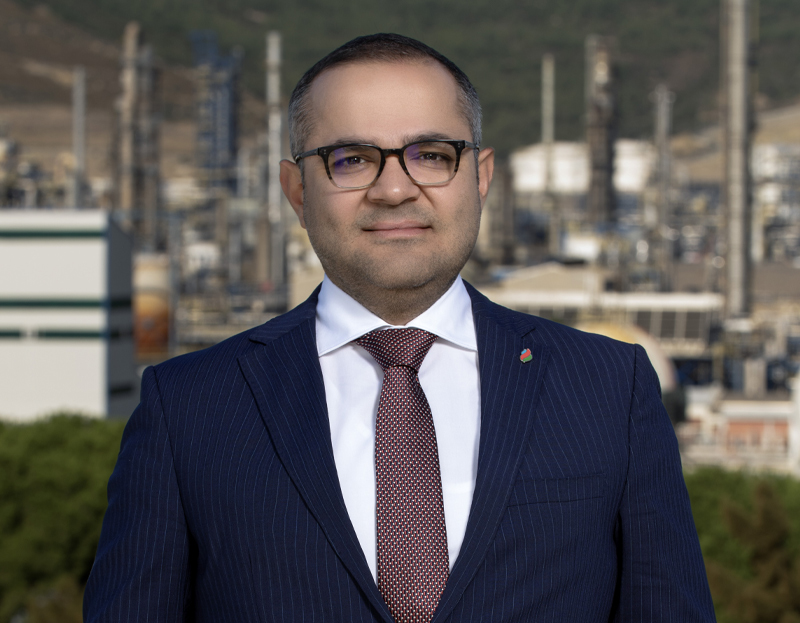
Reviewing the impact of the investment track on Turkey's domestic chemical production capacity and addressing the long-term competitive metrics of the company, Petkim General Manager and Head of SOCAR Turkey Refinery and Petrochemical Business Unit Kanan Mirzayev noted:
The Petkim Master Plan project is a strategic investment initiative aimed at preparing Petkim, Turkey's most deep-rooted and largest petrochemical producer, for the next 50 years and carrying Turkey's petrochemical capacity to future generations. With the Petkim Master Plan, we aim to transform Petkim into a more competitive, sustainable, and higher-value-added manufacturer in line with the long-term requirements of the industry. We view this project, designed symmetrically with Petkim's existing infrastructure, as an industrial transformation based on new technologies, eco-friendly manufacturing models, localized feedstock consumption, and refinery integration. Moving into the FEED phase represents one of our most vital milestones, and we hope this MoU with Technip yields positive results. Our goal throughout this deployment is to define the technical and economic metrics of the Master Plan at international standards, generating a robust engineering and feasibility baseline for upcoming investment decisions.