







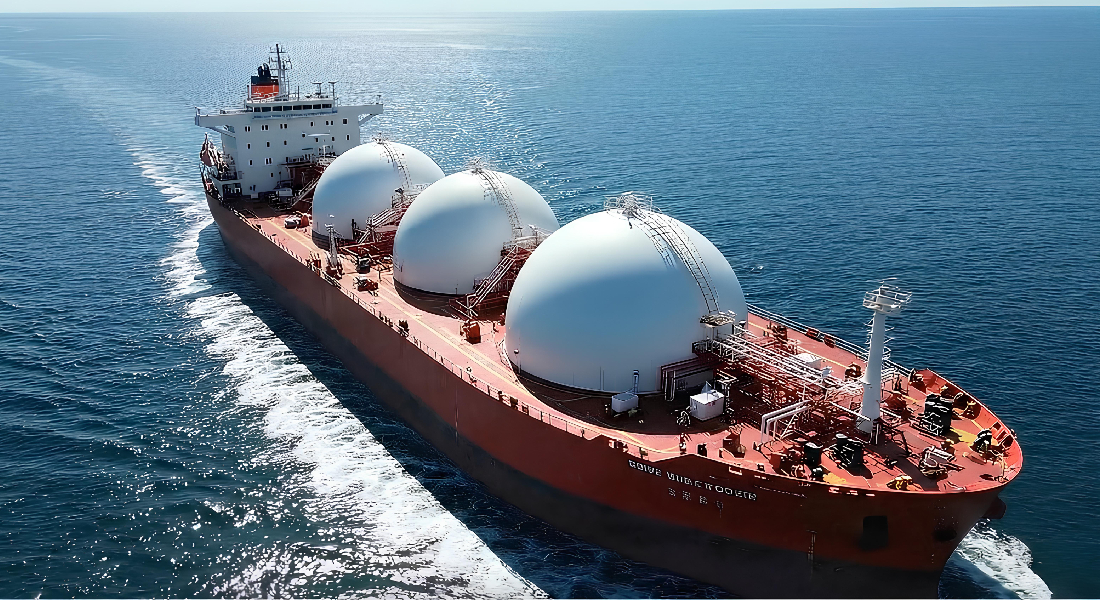
Disruptions and security concerns in the Strait of Hormuz have triggered a major slowdown in global chemicals, energy and fertilizer supply chains. Heavy congestion in maritime traffic has delayed shipments of crude oil, natural gas and critical industrial inputs, driving up production costs and creating ripple effects across agriculture and food markets.
The interruption in energy and raw material flows is not only affecting oil and gas markets but also directly impacting fertilizer production, petrochemicals and sulfur-based industrial processes. With approximately 50% of global sulfur trade passing through this route, the disruption poses a significant risk to sulfuric acid production and downstream industries.
Sharp increase in fertilizer prices
Kürşat Ersoy, Board Member of Ersoy Holding, emphasized that the ongoing developments are creating multi-layered impacts on production costs and supply planning. He noted that fertilizer markets, particularly nitrogen-based products, are experiencing significant price increases.
“In recent weeks, urea prices have surged by up to 30%, while potassium and phosphorus-based fertilizers have seen increases exceeding 20%. Countries such as India and Pakistan, unable to secure gas supplies from Qatar, are facing near shutdowns in production, while Egypt has been forced to turn to the high-cost LNG market. In addition, nearly half of global sulfur trade passes through this route, directly affecting sulfuric acid production and related industrial output. These developments are also driving significant increases in logistics costs and insurance premiums.”
Rising input costs are making fertilizer less accessible, directly influencing agricultural production decisions.
Growing risks for agriculture and food supply
The surge in fertilizer prices and supply constraints is already leading to reduced planting areas in some regions. This trend is tightening supply balances for key crops such as wheat, corn and soybeans, increasing upward pressure on global food prices.
Ersoy highlighted that stabilizing these effects in the short term appears unlikely, adding that production gaps could take up to three planting seasons to recover.
Cost pressure intensifies across chemicals and industry
Rising costs in energy, fertilizers and petrochemicals are placing widespread pressure on industrial production. Increasing logistics expenses and insurance premiums are further exacerbating the situation.
Industry representatives stress that alternative sourcing strategies, robust inventory management and cost optimization are becoming critical in this environment. The disruptions in the Strait of Hormuz are affecting the entire value chain, from production to logistics, in a multi-dimensional way.
These developments underscore that supply continuity, cost balance and long-term planning are now more critical than ever for the global chemicals and agriculture sectors.