

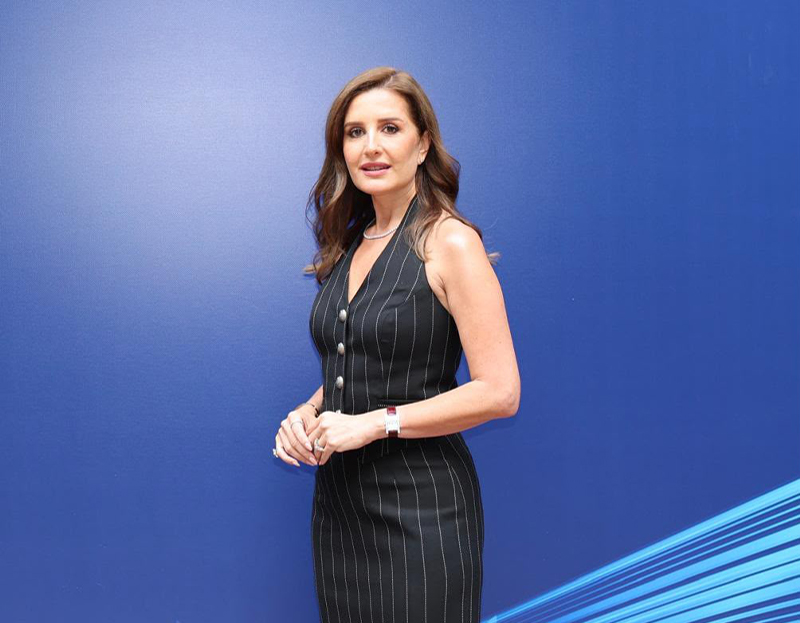
• As the second female president of TÜRDEV, what was the core vision you set out to realize in an industry predominantly shaped by traditional dynamics? When assuming the presidency, my primary goal was to build a strong educational bridge that transfers our sector's deep-rooted craftsmanship and manufacturing heritage to new generations. The survival of this legacy relies on introducing young talents to the industry, strengthening vocational training, and integrating technology into production. As I drive TÜRDEV forward with this vision, I view the presidency as an active responsibility to deliver tangible solutions to our shared challenges.
• You are dedicating intensive efforts to both the leather industry and the foundation. Looking back one day, establishing which mindset in the sector would make you say, "I am glad I took on this responsibility"? Above all, I would love to see the bond between education and production permanently strengthened in our industry. It is truly invaluable to me to see a student encounter leather for the first time, discover their talent in a vocational high school, and transform an idea developed at university into a tangible product in a workshop. Through our "Little Hands Meet Leather" project, we aim to introduce kindergarten-aged children to leather and the culture of craftsmanship. With our vocational training and design initiatives, we strive to carry this interest forward into subsequent years. If, one day, I see young people building confident futures for themselves in this field, I will feel that taking on this responsibility has truly borne fruit.
• How do your manufacturer-industrialist identity at Emelda Deri and your role as president of TÜRDEV complement each other, and how is this dual perspective reflected in your decision-making processes? At Emelda Deri, I manage the daily on-the-ground dynamics of production, while at TÜRDEV, I address the needs of the entire sector, from tanneries to the finished product. These two roles complement each other: field experience enables me to set realistic goals, and the foundation allows me to see the big picture. When making decisions, my primary criterion is ensuring that our projects yield tangible value in both education and manufacturing.
• Our industry features dynamic structures such as exporters' associations, industry unions, and chambers of commerce. What complementary role does TÜRDEV assume among these entities? Our exporters' associations, unions, and chambers each operate in vital areas. At TÜRDEV, our priority is not to duplicate efforts, but to unite the expertise of these institutions around collaborative projects focused on education and social impact. We act as a facilitating bridge, connecting the needs of vocational schools with industrialists, and linking academic research from universities to the world of manufacturing. Our goal is to expand the collaborative platforms where sectoral organizations listen to one another and deliver tangible, collective results.
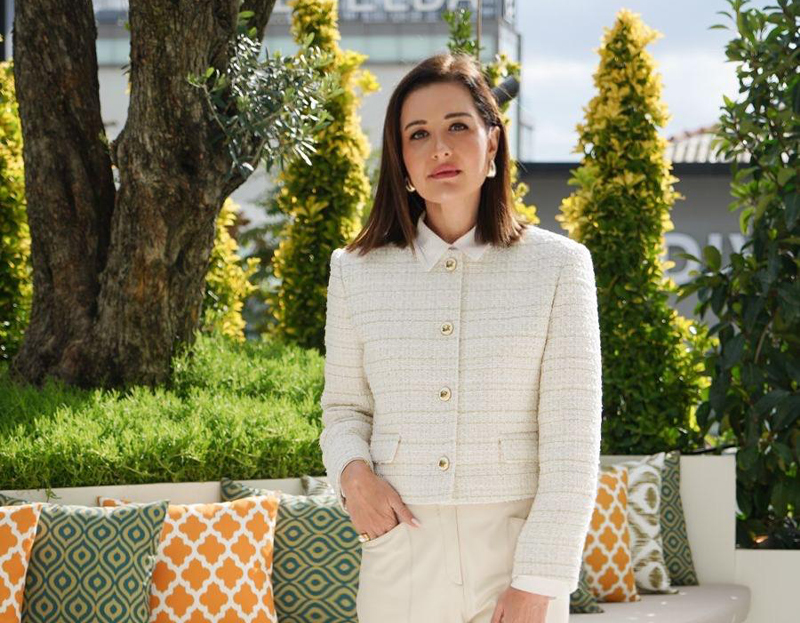
• What kind of bridges should we build to carry young people's interest in design into the production and craftsmanship dimensions of leather? The most effective way to communicate manufacturing to youth is to actively involve them in the process. They need to witness firsthand the transformation a design undergoes from paper to pattern making, cutting, stitching, or finishing. For this reason, I place great emphasis on establishing more workshop visits, hands-on training, and master–apprentice encounters between vocational high schools, universities, and industrial enterprises. We must present craftsmanship not as an outdated relic of the past, but as a specialized craft demanding deep expertise and creativity. When a young person sees the tangible results of their work created with their own hands, their perspective on production completely shifts.
• What is TÜRDEV doing to integrate discovered young designers into the sector and the manufacturing industry? Competitions are a valuable starting point; the real challenge is sustaining that momentum afterward. That is why we place great emphasis on connecting emerging talents with manufacturers and turning concepts into tangible samples. While discovering promising youth through our TÜRDEV Inter-High School Footwear Design Competition, we also reinforce their ties to production through influential platforms like İDMİB’s Footwear Design Competition. Looking ahead, we aim to expand post-competition workshops, mentorship, and prototyping opportunities to ensure these designs secure a permanent foothold in the industry.
• In an era where younger generations focus heavily on the digital world, how can we build bridges to make manufacturing and craftsmanship attractive to them? Young people’s affinity for digital technology is a major asset; 3D design, digital pattern making, and rapid prototyping are now at the very core of manufacturing. Seeing a model designed on screen turn into patterns and stitching in a workshop alongside master artisans highlights the creative power of this craft. That is why we must reinforce the link between vocational schools and industry through hands-on workshops and internships. Young talents who grasp technology, understand the raw material, and develop practical skills will shape the future of production.
• In an extensive ecosystem spanning from tanneries to leather garments, how does TÜRDEV succeed in creating a common industry mindset and collective language? Priorities vary across every sub-sector, from tanneries to footwear and leather goods. At TÜRDEV, we first listen to these diverse perspectives, then focus on unifying topics such as qualified human capital, vocational training, design, and sustainability. A collective mindset is not forged by ignoring differences, but by aligning and mobilizing them around a shared vision.
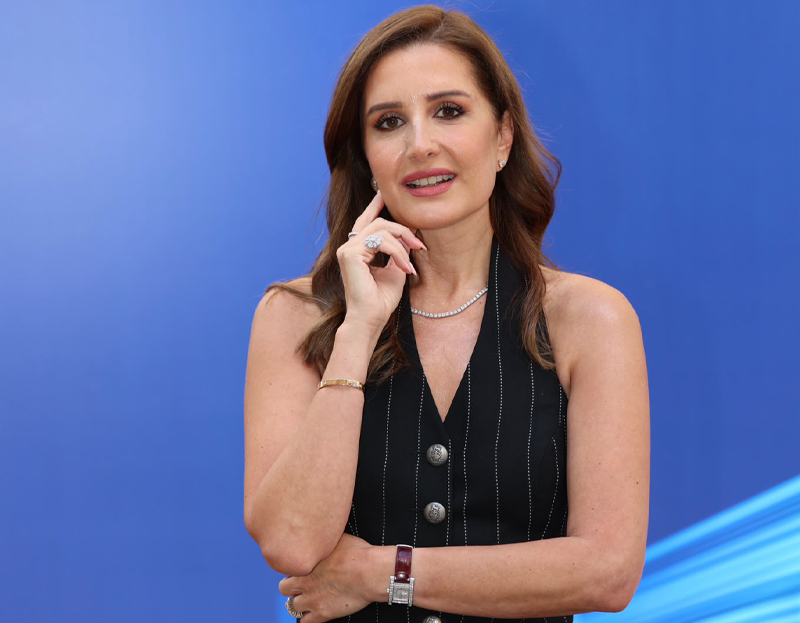
• In a leather industry transforming through biotechnology, water recovery, and energy efficiency, what role does TÜRDEV play in encouraging advanced technology and R&D investments? At TÜRDEV, we align our industry’s efficiency, digitalization, and green transformation needs with actionable, practical projects. Our "Sustainable Collection Development through Waste Management" project, carried out in collaboration with Selçuk University and the Istanbul Chamber of Industry (İSO), serves as a prime example. By transforming leather waste into added value, we introduce new technologies to design and manufacturing processes while bridging academic knowledge with the real-world needs of the industry.
• How does TÜRDEV unite the distinct dynamics and needs of our diverse leather manufacturing hubs around a common denominator? Each production region has its own unique strengths and distinct challenges. Therefore, I do not believe in imposing a single, centralized solution for everyone. We must listen to the expertise of regional industrialists and professional associations, actively sharing best practices across areas. An efficient manufacturing technique or a successful school–industry partnership developed in one location can guide another. One of TÜRDEV's most valuable contributions here is facilitating the cross-pollination of these regional insights. When we understand local needs accurately, we can build much stronger collaborative initiatives.
• What strategy do you follow in communicating the natural and circular story of genuine Turkish leather to the world? Leather possesses a profound circularity story by transforming a byproduct of the food industry into durable, repairable value. However, being 'natural' does not imply zero environmental impact. Continuous improvement across water, energy, chemical stewardship, and traceability is essential. When presenting Turkish leather to the world, we must offer measurable data, enduring design, and transparent communication rather than hollow claims; because a compelling environmental vision is persuasive only when substantiated by verifiable actions.

• What strategy do you pursue when communicating the natural and circular story of genuine Turkish leather to the world? (Not: Orijinal metinde 12. sorunun İngilizce başlığı sehven 11. soruyla aynı girilmiş; yayımlamadan önce düzeltmek isterseniz doğru karşılığı: "What steps should be taken to transform the manufacturing strength and quality of Turkish leather into a high value-added luxury brand perception on a global scale?") Our manufacturing quality and operational flexibility provide a robust foundation; however, capturing high added value in the international market requires design, brand language, and credibility just as much as production excellence. We must place design at the very core, aligning designers and manufacturers around a shared vision from the ideation stage through material selection and user experience. By marrying our strong industrial infrastructure with original collections, traceable sourcing, and a consistent brand identity, we aim to cultivate more Turkish brands that tell their own authentic stories to the world.
• Finally, what is the core message you would like to convey to our manufacturers, designers, and young sectoral stakeholders who believe in the future of the Turkish leather and footwear sub-industry? I encourage our manufacturers never to stop sharing their accumulated expertise with youth, and I advise young people to get to know this industry closely. The leather and footwear ecosystem offers a broad spectrum of opportunities, ranging from design and technology to craftsmanship and entrepreneurship. The innovative capacity of our footwear sub-industry in developing materials, equipment, and novel solutions is an indispensable pillar of this future. At TÜRDEV, we bridge seasoned experience with the curiosity and fresh skill sets of the youth. Backed by our robust manufacturing heritage and the human capital that will advance it, I have complete faith in the future of our industry.