





Limak Cement has taken a new step in its digital transparency and sustainability efforts by implementing a Digital Product Passport (DPP) for its CEM PLUS+ cement, produced at the company’s Kilis Plant. According to a statement from DÜPAŞ, the Digital Product Passport operator, this initiative represents a global first in the cement industry.
Developed in line with the European Union’s Circular Economy Action Plan, the Digital Product Passport makes a wide range of product data accessible in a digital format, including technical specifications, environmental impacts, chemical composition, performance indicators, and life-cycle information. The application aims to support the transparent disclosure of carbon footprint and environmental performance data, while also helping standardize data sharing throughout the supply chain.
Verified Information and Secure Infrastructure via QR Code
Through a dedicated QR code included in the system, stakeholders can access verified product information. Limak Cement stated that the infrastructure operates in compliance with the ISO 27001 Information Security Management System standards and has undergone independent cybersecurity testing. The QR code does not redirect to external links, which is highlighted as a feature that helps minimize digital security risks.
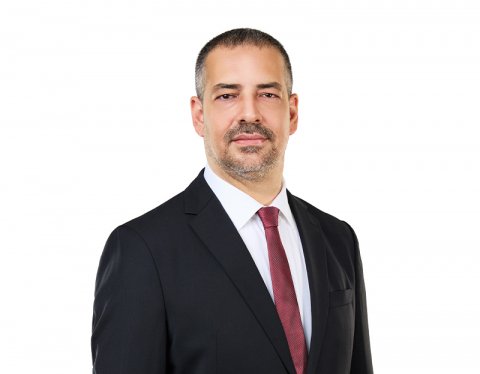
Limak Cement Global CEO Erkam Kocakerim commented on the initiative as follows:
“As regulatory frameworks such as the European Union Circular Economy Action Plan, ESPR and CBAM evolve, Digital Product Passports will become one of the core requirements for industrial competitiveness. The Digital Product Passport we have implemented for CEM PLUS+ is our proactive response to this transformation. By integrating verified environmental, technical and life-cycle data into a secure digital infrastructure, we ensure full transparency across the entire value chain, from production to end use. This approach not only prepares us for future regulations, but also positions Limak Cement as one of the pioneers of digital and sustainable industrial practices in the global cement sector.”
Source: Business World Global