








With the opening of the 2026-2027 academic year in Istanbul bringing approximately 18,000 school buses and 300,000 students back onto roads, urban traffic density has risen. In response to fluctuating seasonal driving dynamics, automotive lubricant manufacturer Fuchs Lubricants Turkey issued operational guidance regarding fluid maintenance.
Altan Aydın, Product and Technical Services Operations Group Manager at Fuchs Lubricants Turkey, underscored the importance of scheduling manufacturer-compliant oil changes and verifying coolant chemistry to protect powertrains against cooler operating temperatures.
Engine Oil Selection: OEM Approvals and Cold-Start Lubrication
To minimize friction and mechanical wear between moving internal components, technical guidelines include:
OEM Specification Compliance: Selection must not rely solely on viscosity index; strict compliance with vehicle manufacturer (OEM) performance standards is required.
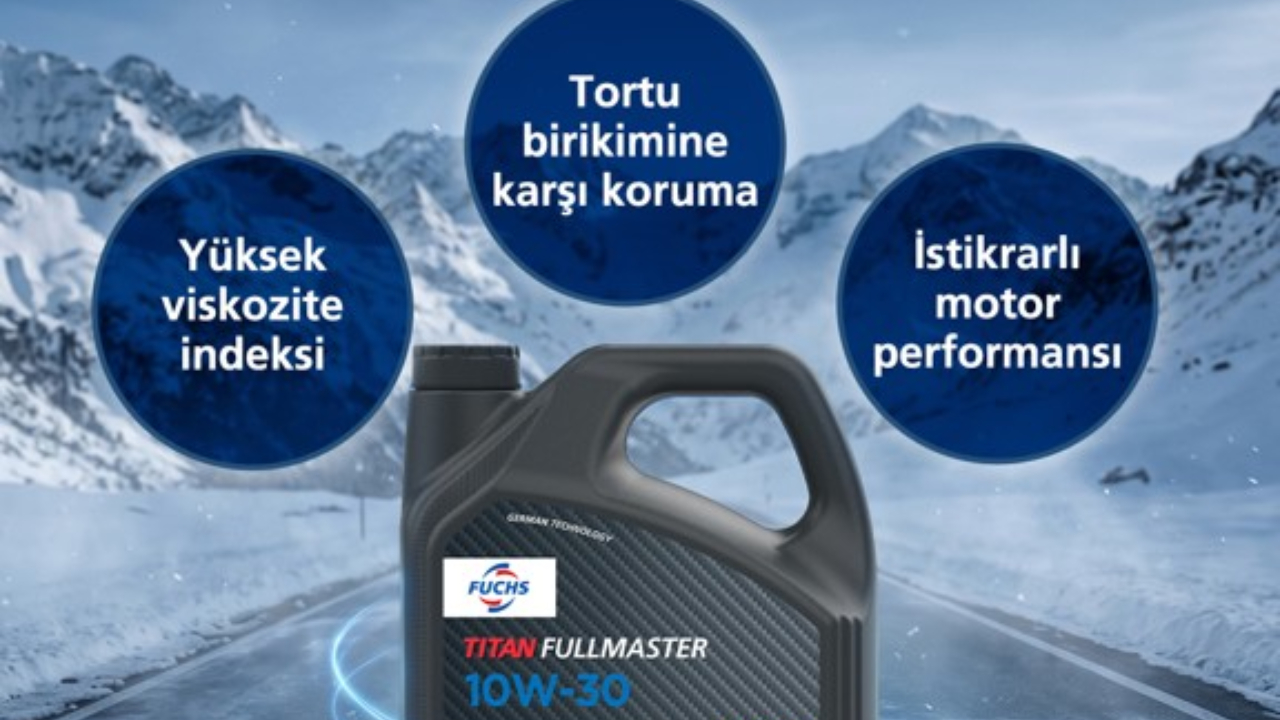
Cold-Flow Characteristics: As temperatures decrease, rapid hydrodynamic oil flow during engine startup is crucial. Engineered with German technology, fluids such as the FUCHS TITAN range maintain low-temperature flow rates to protect critical wear surfaces.
Accurate Dipstick Measurement: Measurements must be taken on level surfaces while the powertrain is cold, ensuring fluid settles between minimum and maximum tolerances. Underfilling risks metal-on-metal friction, while overfilling disrupts combustion efficiency.
Failure Indications: Oil pressure dashboard alerts, acoustic changes in engine idling, or external weeping require diagnostic evaluation by qualified automotive technicians.
Coolant Integrity and Common Maintenance Errors
Coolants and antifreezes perform an all-year function: maintaining thermal equilibrium, elevating boiling thresholds, and preventing internal corrosion.
Highlighting its manufacturer-certified FUCHS FRICOFIN line, the company identified common maintenance mistakes:
The "Color Match" Fallacy: Identical dye coloring between different antifreeze products does not indicate chemical compatibility. Mixing dissimilar additive chemistries (e.g., OAT, IAT, Si-OAT) risks chemical dropout and system clogs.
Dilution with Water Alone: Topping off cooling reservoirs purely with water dilutes chemical inhibitors, lowering boiling points and exposing radiators to corrosion.
Cross-Mixing Oil Formulas: Adding motor oils with non-compliant additive packages breaks down the base lubricant matrix.
Statement from Altan Aydın
Altan Aydın, Product and Technical Services Operations Group Manager at Fuchs Lubricants Turkey, stated:
Extended summer driving, elevated ambient temperatures, and stop-start traffic severely stress powertrain components. As we head into autumn, verifying motor oil levels, monitoring service intervals, and testing cooling systems are vital steps in vehicle winterization. When selecting engine oil, drivers must evaluate manufacturer specifications rather than viscosity alone. Using the designated fluids recommended in the user manual ensures optimal thermal efficiency and engine longevity.
Furthermore, cross-mixing different antifreeze technologies leads to adverse chemical reactions within the cooling loop. Visual fluid color does not denote additive compatibility. Topping off depleted cooling reservoirs exclusively with water or blending dissimilar oil specifications must be avoided. Adhering to manufacturer guidelines remains the only reliable route to vehicle reliability.