







Floor Chemistry of Surface Cleaners
One of the most common mistakes made in daily household cleaning is preparing a single bucket of surface cleaner and wiping the entire house with the same product—from wooden parquets in the living room to ceramics in the kitchen and marble in the hallway. This habit, which seems like a practical hygiene solution at first glance, leads to dullness, scratching, and even irreversible deformation of floors over time.
The reason is remarkably simple: every floor has a different chemical composition and porosity. Therefore, an active ingredient (surfactant) or pH level that works wonders on one surface can completely dissolve the protective coating of another. Let’s examine the main floor types in our homes, the chemistry they require, and the correct ingredient choices step by step.
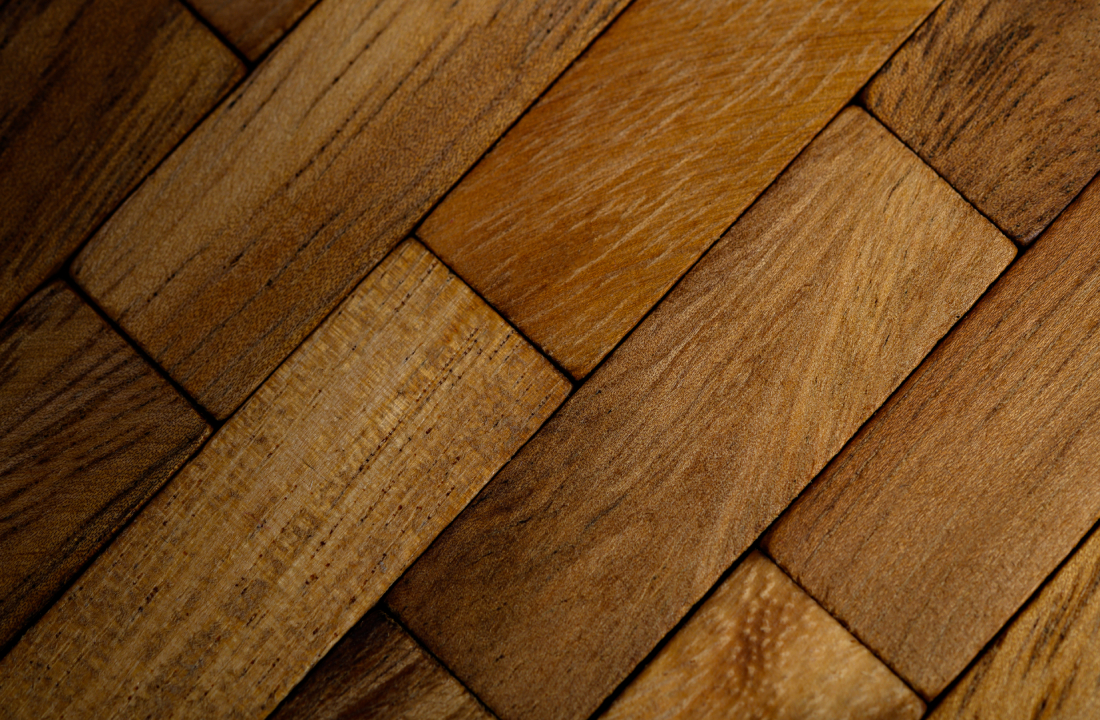
1. Wooden and Laminate Parquets: Neutral pH and Oil-Balancing Formulas
Wood is a living material, whereas laminate and engineered parquets are delicate surfaces covered with a protective resin or varnish layer. The two greatest enemies of wooden floors are excessive water and abrasive (alkaline/acidic) chemicals.
Correct Ingredient Selection
Neutral pH (pH 6-8): The product used for parquet cleaning must have a neutral pH. Excessively acidic (limescale-removing) or excessively alkaline (degreasing) products dissolve the protective varnish on the wood.
Natural Oils and Plant-Based Surfactants: Products containing almond oil, linseed oil, or coconut-derived cationic/non-ionic surfactants nourish the wood and prevent it from drying out and cracking.
Volatile Structure: Non-water-retaining, fast-evaporating formulations prevent the wood from swelling.
What to Avoid: Bleach, ammonia, harsh solvents, and highly foaming anionic surfactants.
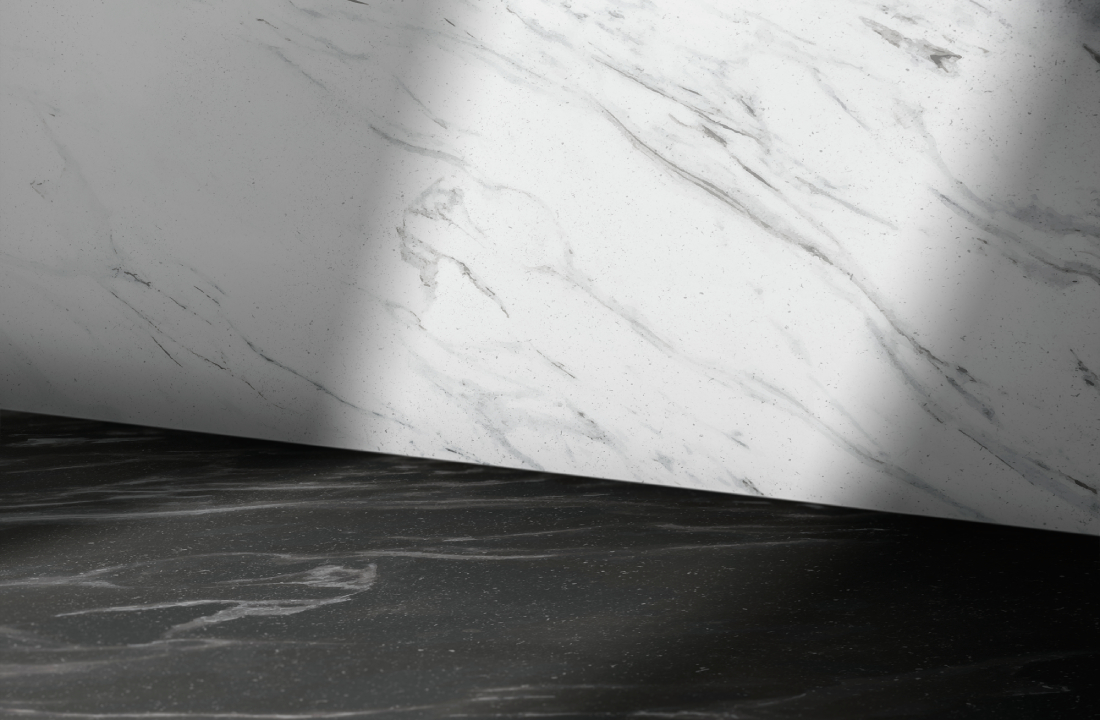
2. Marble and Natural Stones: Calcium Carbonate Structure vs. Acid
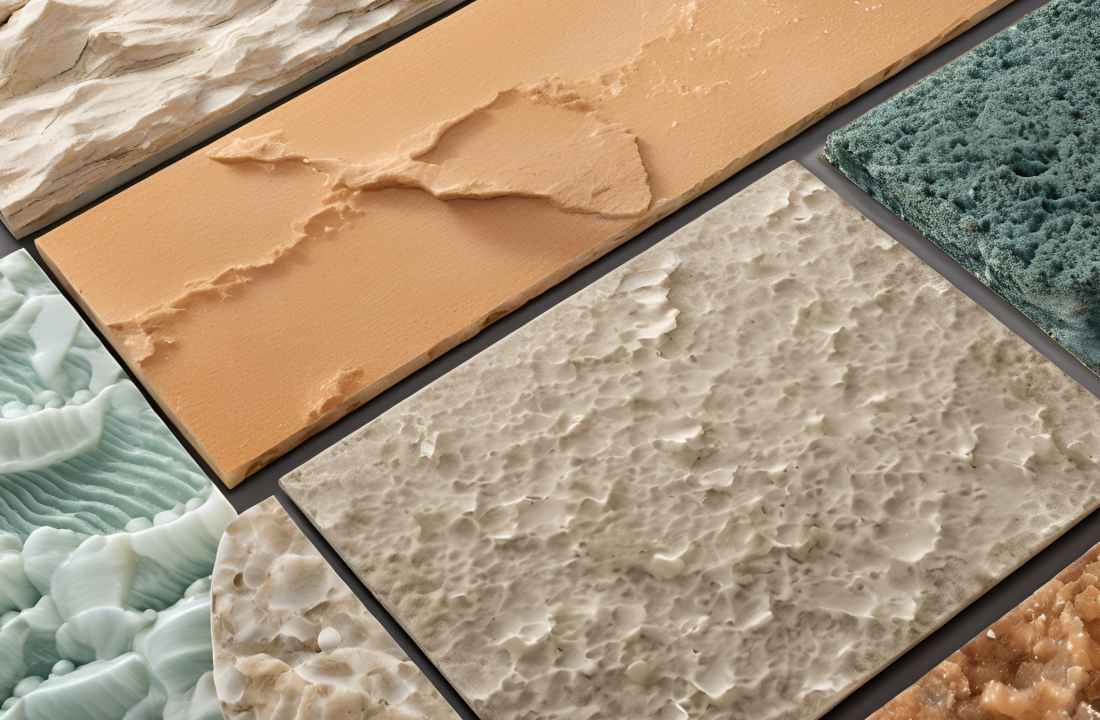
Although natural stones like marble, travertine, and granite offer a stylish and luxurious appearance, they are the most sensitive floor type to household chemicals. The main component of marble is calcium carbonate ($CaCO_3$). Calcium carbonate has a chemical structure that reacts immediately with acids.
Correct Ingredient Selection
Mildly Alkaline or Neutral Formulas (pH 7-8.5): Only mildly alkaline or completely neutral cleaners should be preferred on marble surfaces.
Protective Polymers: Cleaners containing special stone-protecting polymers that block marble's natural pores to prevent dirt from penetrating extend the lifespan of the material.
Vital Warning: Never let vinegar, lemon juice, hydrochloric acid, or limescale removers come into contact with marble surfaces. Even the mildest acid causes permanent dullness and stains on marble surfaces, known as "etching."
3. Ceramic and Porcelain Tiles: Powerful Surfactants and Stain-Removing Chemistry
Ceramic and porcelain tiles are durable floors fired at high temperatures and usually coated with a glaze layer. Since their porosity rate is very low, they are highly resistant to chemicals.
Correct Ingredient Selection
Non-Ionic and Anionic Surfactant Balance: Surfactants with high degreasing and dirt-removing power can be safely used in ceramic cleaning.
Limescale and Soap Scum Removers: Mildly acidic (pH 4-5) specialized ceramic cleaners or vinegar-based formulas can be used to dissolve water stains and limescale deposits that form over time on bathroom and kitchen ceramics.
Residue-Free Ingredients: The biggest issue with ceramics is the streaks and spots left behind after wiping. Alcohol-derived ingredients that dry quickly without requiring rinsing preserve the shine.
Consumer Guide: How to Read Labels on the Market Shelf?
When buying a new surface cleaner, focus on the ingredients list on the back rather than marketing promises like "All-Purpose," "Multi-Surface," or "Spring Freshness" on the front:
For Wood: Look for "pH Neutral", "Coconut-based surfactants", and "Wood care polymers".
For Marble: Ensure it specifies "Acid-free", "For natural stone", or "pH 7".
For Ceramic: Pay attention to "Streak-free", "Quick dry", and a balanced anionic/non-ionic surfactant ratio.
Understanding floor chemistry is the smartest way to protect expensive investments in your home while achieving maximum hygiene with minimum effort using the right chemical.