







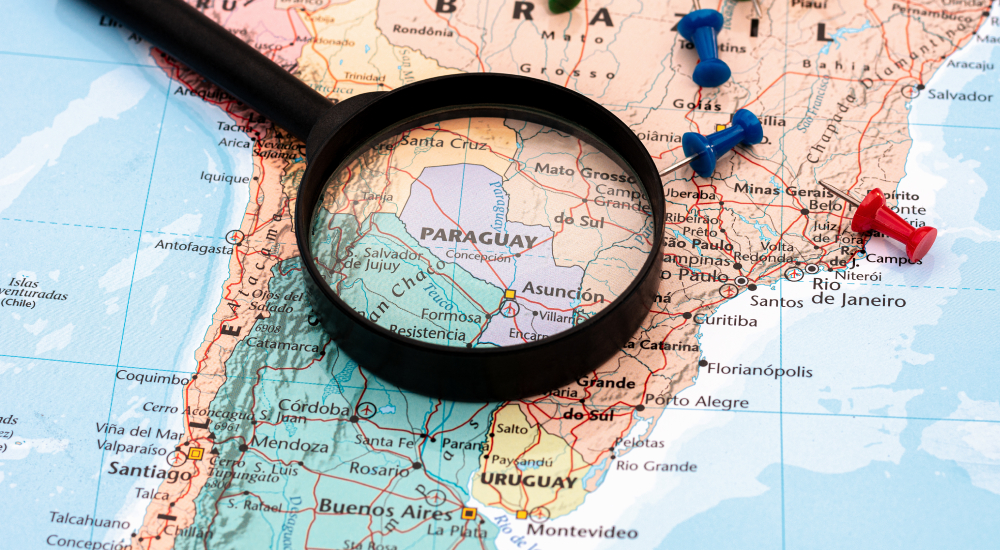
The European Union (EU) and Mercosur, South America’s major trade bloc, officially signed the long-discussed Free Trade Agreement (FTA) on January 17, 2026, during a ceremony held in Asunción, the capital of Paraguay. European Commission President Ursula von der Leyen described the deal as a step that “connects continents,” emphasizing that it represents a commitment to fair trade and open cooperation.
Tariffs to Be Reduced Gradually, Market Access to Expand
The agreement’s key provision is the gradual removal of more than 90% of customs duties between the two sides. Beyond tariffs, the deal also aims to reduce non-tariff barriers that companies face in practice. Mercosur remains one of Europe’s leading export markets, particularly for machinery, automotive products, chemicals, and pharmaceuticals. In this context, the agreement is expected to provide European firms with significantly broader market access.
Chemicals in Focus: A 270-Million Market and New Supply Channels
Chemical products rank among the EU’s top exports to Mercosur. Once the agreement enters into force, European manufacturers will be able to access a market of more than 270 million consumers under more favorable cost conditions. Another strategic dimension is raw material sourcing: European companies are expected to secure key inputs from Mercosur countries more easily, strengthening supply chain diversification.
Exports Expected to Rise by 39%
According to projections by the European Commission’s Directorate-General for Trade (DG Trade), the agreement’s impact will be most visible in export growth. The FTA could increase EU exports to Mercosur by as much as 39% by 2040. This outlook highlights why Europe’s chemical industry is closely watching the agreement.
A Sector Seeking Relief Amid Structural Pressure
The deal comes at a time when Europe’s chemical sector is undergoing structural transformation and restructuring pressures. Therefore, the agreement is seen not only as a trade facilitation tool but also as a new growth avenue. On the Mercosur side, strong growth expectations are tied to energy and mining projects linked to lithium, copper, and hydrocarbons, industries that inherently drive demand for chemical products.
Signed, But Ratification Still Required
However, signing the agreement does not mean immediate implementation. For the FTA to take effect, it must be approved by the European Parliament as well as the national legislatures of Mercosur member states. The ratification process is expected to be completed by the end of 2026, after which the agreement would formally enter into force.
CEFIC Calls for Faster Approval
Europe’s chemical industry is urging that the approval process not be delayed. The sector’s umbrella organization CEFIC stated clearly: “We can finally see the finish line, we cannot wait any longer.”
Annual trade volume between the EU and Mercosur exceeds €111 billion, with chemical products accounting for a notable share. Once implemented, the agreement is expected to help European chemical companies establish a stronger balance in both sales and sourcing across the Atlantic.
Source: echemi.com