






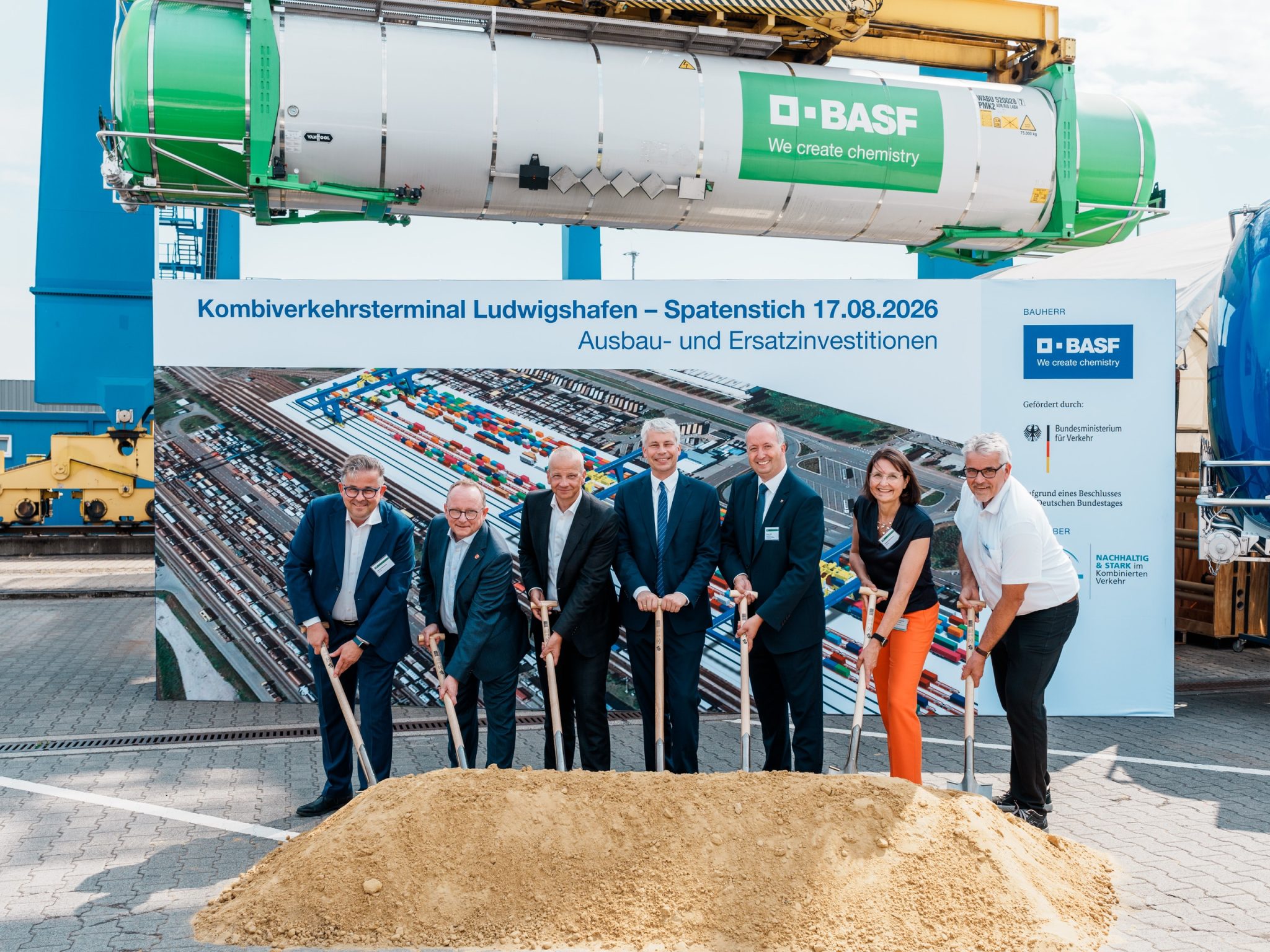
Operating since 2000, the terminal's oldest M10 and M20 modules will be dismantled and integrated into a new, state-of-the-art M50 module. The four legacy cranes will be replaced by three large rail-mounted gantry (RMG) cranes, with space reserved for a fourth unit.
The scope of work encompasses new rail track layouts, reinforced crane runways, traffic surfaces, compressed air networks, automated communications, and upgraded operations buildings.
Automated Handling and High-Tonnage Capacity
Featuring a 100-meter span spanning nine active tracks and a 700-meter working corridor, each new crane is rated for standard 41-tonne lifts and heavy loads up to 75 tonnes. Equipped with remote operation and partial automation, the cranes will handle at least 25 moves per hour. Installation is scheduled between Q3 2027 and Q1 2028 while commercial terminal operations continue in parallel.
The reconfiguration optimizes yard flows for longer European freight trains, increased semi-trailer volumes, and expanding buffer storage requirements across key European transport corridors connecting Italy, Spain, Eastern Europe, and Scandinavia.
Intermodal Resilience and Rhine Waterway Logistics
Covering 260,000 square meters with an annual capacity of 370,000 load units, the site handles more than 1,100 units across 25 daily freight trains. Owned by BASF and operated by Kombi-Terminal Ludwigshafen GmbH (co-owned with Bertschi, Hoyer, Hupac, and Kombiverkehr), the terminal allocates 30–40% of its volume to BASF and opens the remaining capacity to external freight forwarders.
With 40% of site logistics reliant on Rhine barging and 30% on rail, the modernized hub, linked to over 230 km of internal tracks, provides crucial logistics resilience when low Rhine water levels disrupt barge navigation.