







Is the Sea Smell Just Salt?
It might be surprising, but the ocean doesn’t smell because of salt. In fact, sodium chloride (NaCl), the main component of salt, is odorless.
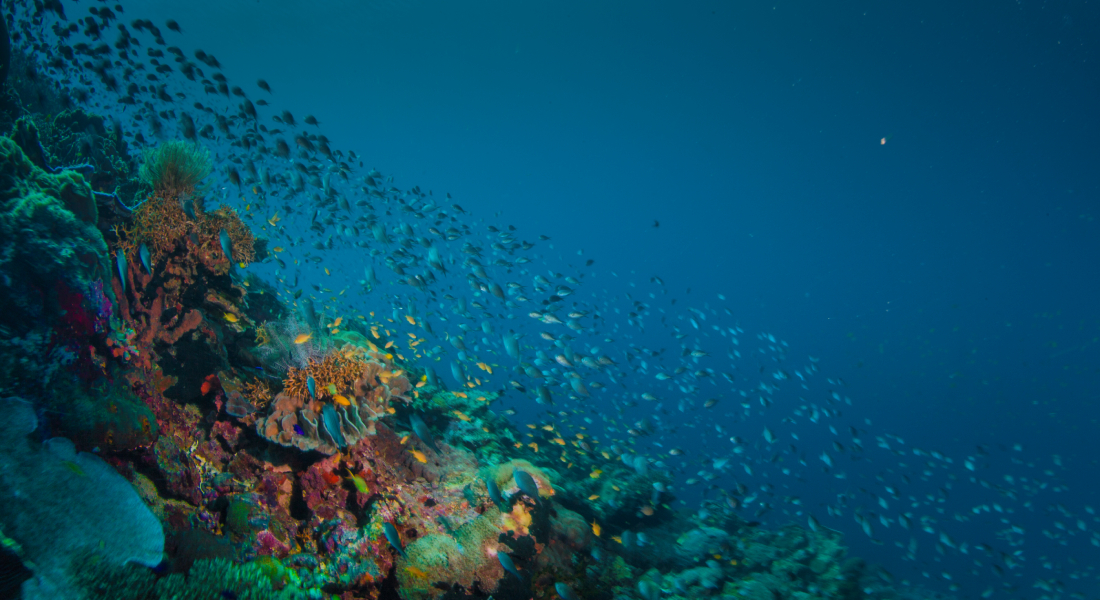
This means the characteristic “sea smell” doesn’t come from salt itself, but from microscopic life forms and the chemical compounds they produce. The ocean surface is full of invisible biological activity, and this hidden ecosystem plays a key role in creating the scent we associate with the sea.
What Causes the Smell of the Ocean?
The smell of the sea is mainly produced by marine microorganisms. These tiny organisms generate volatile compounds that evaporate into the air and reach our noses.
The main contributors include:
- Phytoplankton
- Algae (seaweed)
- Marine bacteria
As these organisms live, grow, and break down, they release chemical substances into the water. Some of these substances eventually become airborne, forming the scent we recognize as “ocean air.”
Dimethyl Sulfide (DMS): The Key Molecule
The primary compound responsible for the ocean’s smell is dimethyl sulfide (DMS), a sulfur-containing gas.
Here’s how it forms:
- Phytoplankton produce a compound called DMSP (dimethylsulfoniopropionate)
- This compound breaks down over time
- The breakdown releases DMS gas
- DMS rises into the atmosphere and reaches our sense of smell
This molecule is what gives the sea its signature fresh, slightly sulfurous, and marine-like aroma.
Why Does the Sea Smell Stronger Sometimes?
The intensity of the ocean smell isn’t constant, it depends on environmental conditions.
For example:
- Wind carries scent molecules from the sea to land
- Waves increase the release of gases like DMS
- Sunlight boosts biological activity in the water
That’s why the ocean smell is often stronger on windy or wavy days.

The Role of Algae and Other Compounds
While DMS is the main contributor, it’s not the only one. The ocean scent is actually a mixture of different organic compounds.
Some of these include:
- Sulfur compounds
- Amines
- Organic acids
These substances can slightly change the character of the smell, making it sometimes more earthy, more pungent, or more “green.”
Why Do We Find the Ocean Smell Pleasant?
Interestingly, many people find the smell of the sea relaxing and refreshing. This isn’t just psychological, it may also have biological roots.
Natural environments and their scents can:
- Reduce stress levels
- Create a sense of calm and openness
- Trigger positive emotional responses
This is one reason why spending time by the sea often feels so restorative.
Does Every Ocean Smell the Same?
Not at all. The smell of the sea can vary depending on location and environmental conditions.
For instance:
- Clean, open ocean → light and fresh scent
- Algae-rich areas → stronger, sharper smell
- Polluted waters → unpleasant odors
In other words, what we call “the smell of the sea” is actually a dynamic and changing chemical mixture.
The Ocean Smell Is Pure Chemistry
So, why does the sea smell?
The answer lies in marine life and chemistry. The ocean’s scent doesn’t come from salt, but from chemical compounds produced by microorganisms, especially dimethyl sulfide (DMS).
Wind, waves, and sunlight all influence how strongly we perceive this smell. In the end, that refreshing ocean scent is a perfect example of nature’s invisible chemistry at work.