






While humanity has searched for the perfect formula in laboratories for centuries, nature has been testing and developing these formulas for 3.8 billion years. Biomimicry is the art of solving complex human problems by studying and emulating nature's models, systems, and elements. In the world of chemistry and materials science, biomimicry is not just about imitating nature; it is about bringing its molecular-level engineering marvels into the industry
1. The Lotus Flower: Self-Cleaning Surfaces
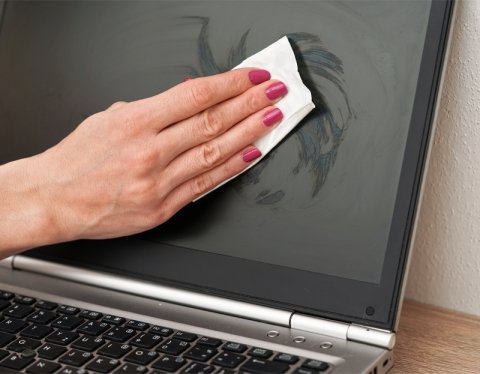
The lotus leaf remains pristine even though it grows in muddy waters. This occurs because of nano-scale bumps on the leaf that prevent water from adhering to the surface, causing it to roll off and sweep away dust (super-hydrophobicity).
-
Industrial Application: This microscopic architecture has become the foundation for "self-cleaning" coatings in exterior paints, glass, and textile products.
2. Spider Silk: Fibers Stronger Than Steel, Lighter Than Cotton
A spider's silk is 5 times stronger than high-quality steel of the same thickness and significantly more flexible. Spiders produce these miraculous fibers at room temperature through a water-based process.
-
Industrial Application: Scientists are using protein engineering to produce synthetic spider silk. These fibers are revolutionizing everything from bulletproof vests and surgical sutures to lightweight aerospace components and durable sportswear.
3. Mussel Adhesion: Unbreakable Bonds Underwater
Mussels cling to rocks so tightly despite turbulent waves that it is nearly impossible to detach them. This strength comes from the chemical cross-linking ability of special proteins (DOPA) secreted by the mussel.
-
Industrial Application: While traditional adhesives lose their function on wet surfaces, biomimetic adhesives inspired by mussel proteins are used in underwater construction and even in surgical operations to bond living tissues.
4. Shark Skin: Bacteria-Resistant and Friction-Reducing Texture
A shark's skin is covered with tiny scales called "dermal denticles." This structure both reduces friction in the water and prevents microorganisms from attaching to the surface.
-
Industrial Application: Special films produced by imitating this texture are used to provide fuel efficiency in ship hulls and to prevent bacterial growth (antibacterial surfaces) on medical devices in hospitals.
In summary, biomimicry offers concrete and tested responses to the complex challenges encountered in industrial R&D processes. As the chemical industry transitions from fossil fuel dependency to bio-based systems, emulating nature’s microscopic designs is no longer a preference but a fundamental strategy for innovation.