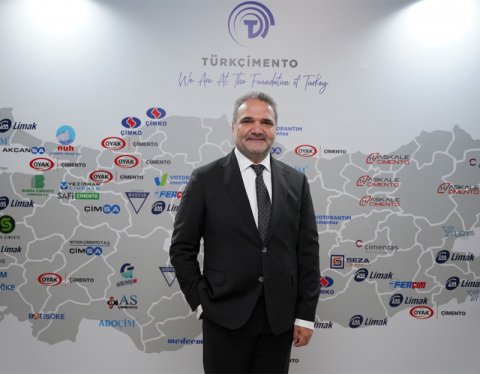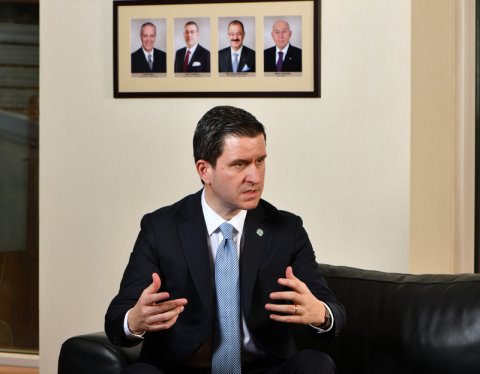





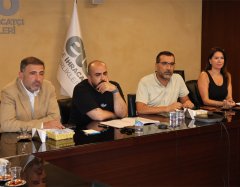
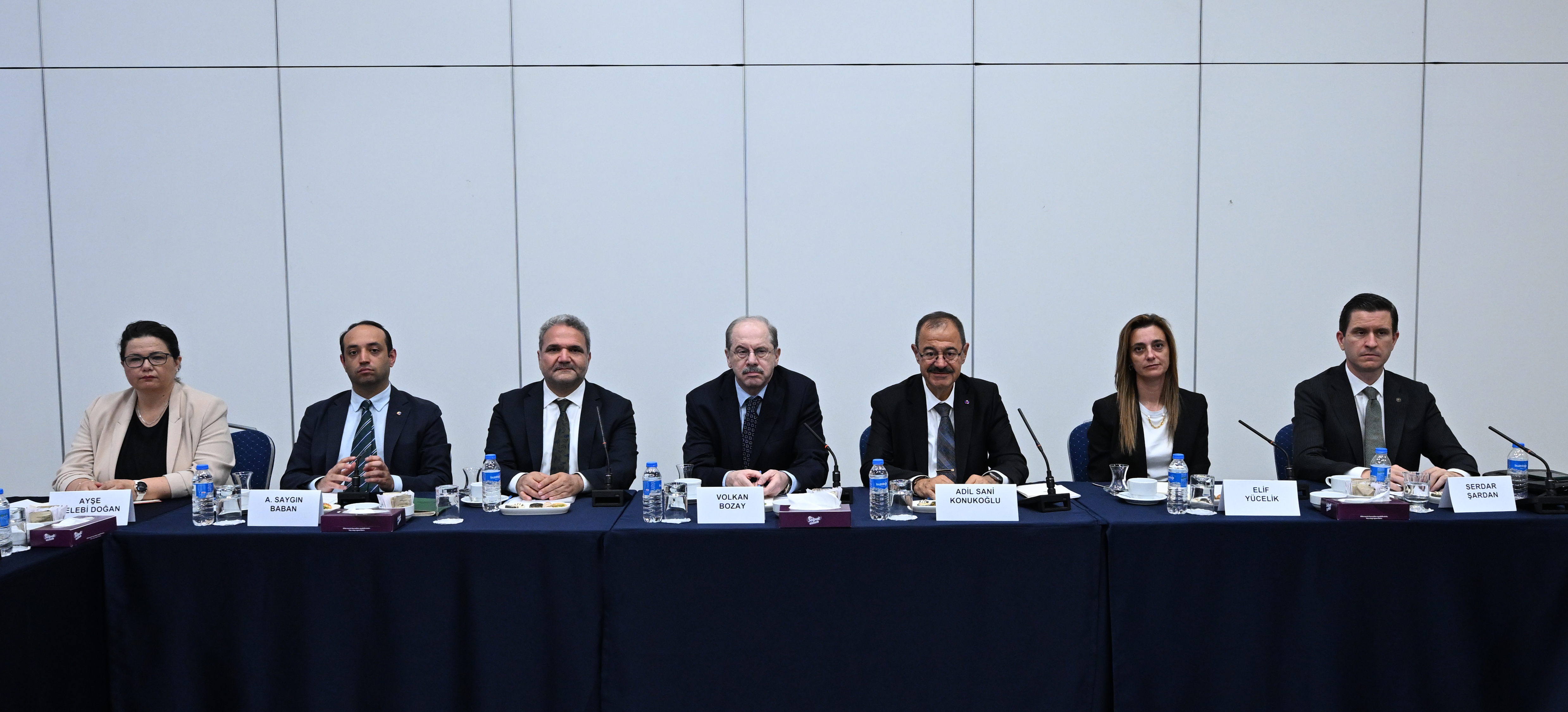
The Union of Chambers and Commodity Exchanges of Turkey (TOBB) has finalized its executive committee adjustments, electing Adil Sani Konukoğlu as the new President of the Turkey Cement and Cement Products Assembly. Concurrently serving as the Chairman of the Board at TÜRKÇİMENTO, Konukoğlu’s appointment to this statutory advisory body follows a consensus vote during the latest legislative assembly layout. Confirmed on June 05, 2026, this executive transition takes place during a critical fiscal window as the domestic heavy industry prepares for structural harmonization under the upcoming European Union Carbon Border Adjustment Mechanism (CBAM) and national Emission Trading System (ETS) frameworks.
Volumetric Capacity Brief: Analyzing a 97.8 Million Ton Manufacturing Matrix
Detailing the contemporary macroeconomic indicators and asset configurations of the manufacturing base post-election, Assembly President Adil Sani Konukoğlu confirmed that regional cement producers retain intense outward trade parameters. According to audited 2025 industrial data blocks compiled by TÜRKÇİMENTO, the sector's volume distributions finalized as follows:
Gross Cement Output: Cumulative nationwide processing reached a baseline of 97.8 million tons.
Domestic Market Absorption: Local commercial demand accounts for 82.2 million tons of the aggregate supply.
Outbound Shipping Velocity: Total exports reached 15.6 million tons, proving that the sector continuously optimizes its revenue exposure by routing approximately 16 percent of its absolute volume toward international trade lanes.
Standardizing the "Triple Transformation" Framework Across Heavy Asset Bases
In an era governed by systemic fuel price fluctuations, rigid transcontinental carbon enforcement, and industrial energy quotas, Konukoğlu stated that conational manufacturing setups must implement a structured "triple transformation" model—synchronizing green processing, structural digitalization, and advanced human training matrices.
Highlighting how data-driven process controls and neural-network-driven kiln diagnostics systematically lower energy dissipation values, the President outlined the exact metrics attained by modern capital investments:
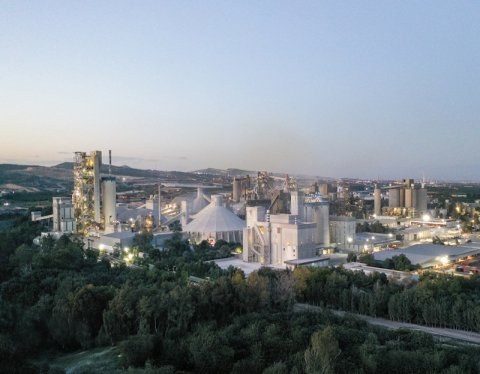
Thermodynamic Waste Heat Recovery (WHR): Total operational capacity across 27 high-temperature lines situated at 17 integrated production centers has reached a verified threshold of 164.5 MW of electrical capacity.
Macro Power Substitution: The engineered output yields an energy volume equivalent to the daily domestic electricity utilization of approximately 2.6 million citizens, offsetting severe grid strains.
Sustainable Energy Integration: Merging process heat recovery loops with localized solar (PV) and wind infrastructure allows the industry to draw 10 percent of its cumulative high-voltage electrical demand from zero-carbon assets.
Legislative Directives for Green Cement and an 11 Million Ton Mitigation Target
To accelerate alignment with Turkey’s binding 2053 Net Zero Emission targets, the assembly will heavily prioritize lowering standard clinker-to-cement ratios through the deployment of blended pozzolanic and calcined clay formulations. The council is coordinating with federal infrastructure ministries to introduce formal procurement mandates that favor low-carbon "Green Cement" variants across public works and urban redevelopment channels. This regulatory optimization is calculated to permanently divert 11 million tons of carbon dioxide emissions from the atmosphere over the upcoming 10-year cycle.
Strategic Alliance with the China Cement Association for Advanced Automations
Focusing on international technology transfer protocols, President Konukoğlu highlighted a new cross-border partnership finalized with the China Cement Association. Fusing Turkey’s high-volume, logistically optimized manufacturing footprint with China's advanced milestones in factory digitalization, edge computing, and industrial AI controls creates substantial opportunities for local mills. The upcoming operational phases will include shared technical training symposiums, engineer exchange programs, and automated pilot installations designed to structurally insulate the domestic asset class against sovereign carbon customs penalties.