







Metals are everywhere in our lives, from automotive to construction, from architectural structures to technological devices in our daily routine. However, whether steel or aluminum, any metal left unprotected eventually faces corrosion, or rusting, one of nature's most destructive processes.
The two most popular ways to protect metal surfaces against this decay and extend their lifespan are Galvanized Coating and Anodizing. Although frequently seen as alternatives to each other in the industry, these two methods are actually based on completely different metals and distinct chemical processes.
So, when should which method be preferred? Let’s compare these two legendary protection technologies without getting bogged down in complex chemistry.
What is Galvanized Coating and How Does It Work?
Galvanizing is the process of dipping mostly iron and steel surfaces into a liquid zinc bath (Hot-Dip Galvanizing) or coating them with zinc via electrochemical methods to prevent rusting.
Sacrificial Armor Principle: The chemical secret behind galvanizing is the "sacrificial anode" principle. Zinc is more reactive to corrosion than iron and steel. When the surface is coated, the zinc layer reacts with oxygen and moisture first. In other words, zinc sacrifices itself to protect the underlying steel. Even if scratched or impacted, the surrounding zinc continues to protect.
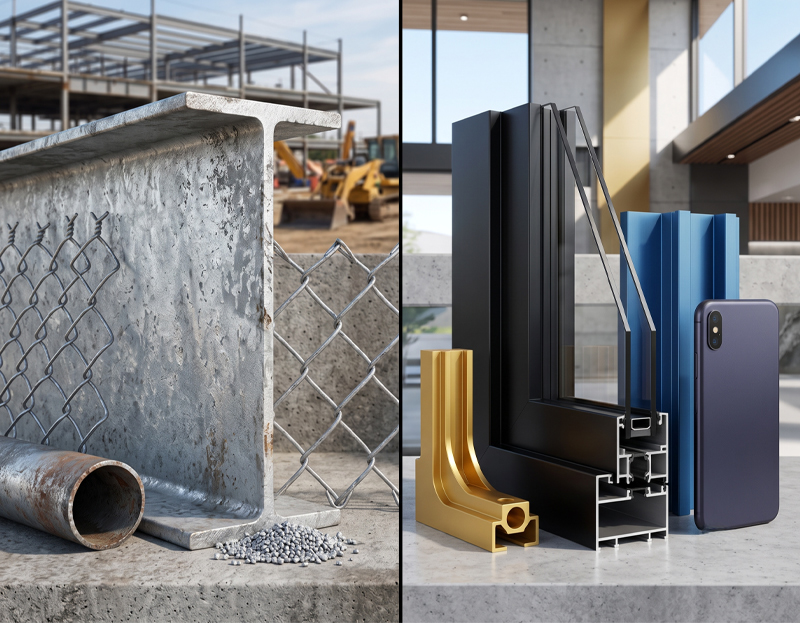
Strengths and Weaknesses: Very high corrosion resistance, impact resistance, and the ability to withstand outdoor and heavy industrial conditions for decades without maintenance are its greatest advantages. Its weakness is having a rough and dull gray appearance aesthetically. Coloring options are limited, and the surface layer can be thick for precision parts.
Applications: Frequently preferred in rebar, roofing, bridges, utility poles, highway guardrails, and heavy industrial machinery parts.
What is Anodizing and How Does It Work?
Anodizing is an electrochemical surface-hardening process applied especially to metals like aluminum and titanium.
Metal Producing Its Own Armor: Unlike galvanizing, anodizing does not add another metal on top of the aluminum from the outside. Aluminum is immersed in an acid bath, and an electrical current is applied to form a controllable, porous aluminum oxide layer on its surface. In short, the metal chemically thickens its own natural protective shell.
Strengths and Weaknesses: Offers an excellent aesthetic appearance, high hardness against scratching and wear, colorability (black, gold, bronze, blue), and millimeter precision without ruining surface tolerances. Being applicable only to specific metals like aluminum and the risk of damage to its protective layer in severely acidic environments are its limiting factors.
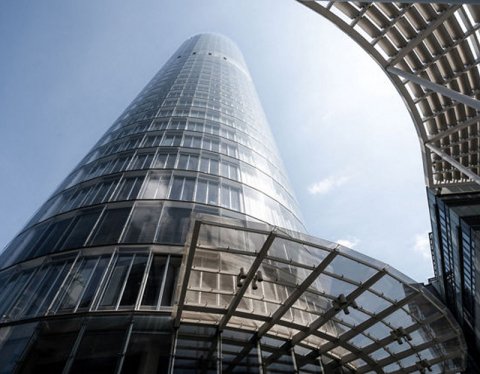
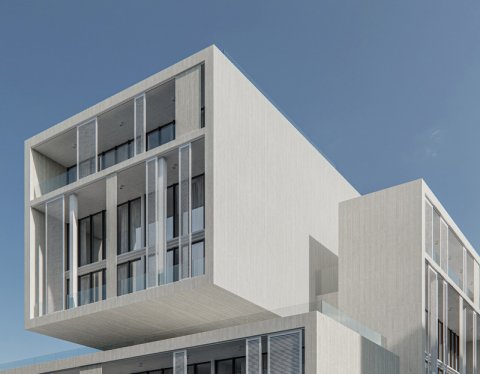
Applications: Stands out in architectural facade cladding, aluminum window frames, smartphone cases, aerospace parts, and luxury cookware.
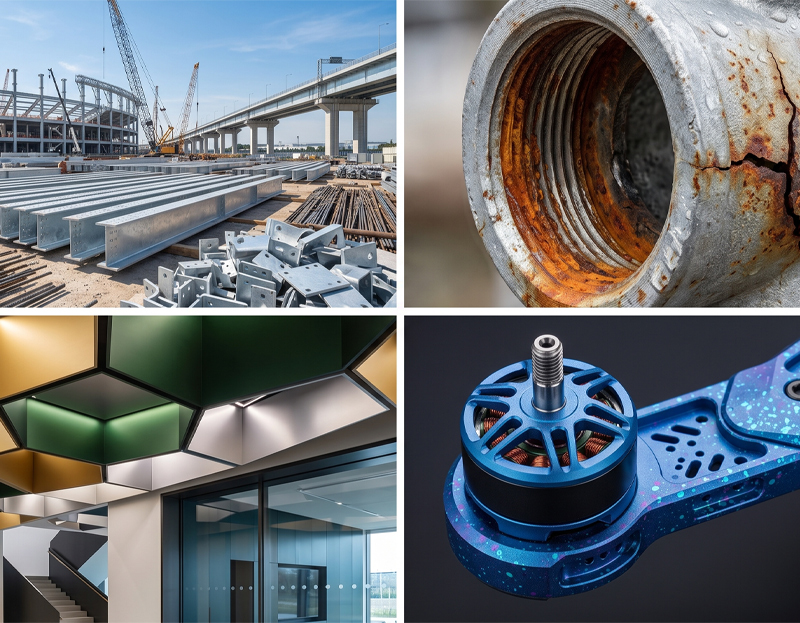
Comparison: Which One Should You Choose When?
Type of Metal Used: If the base material used in your project is iron or steel, the method to be preferred as a corrosion armor is definitely galvanizing. When your material is aluminum, the anodizing method comes to the fore, achieving perfect chemical harmony with the metal.
Aesthetic Expectations and Color Variety: If you are producing a design object that the consumer sees directly and needs to be smooth, sleek, and colorful, anodizing is far ahead. In industrial and outdoor-focused structures where visual perfection is secondary, the natural texture of galvanized coating is sufficient.
Environmental Conditions and Durability: For giant steel constructions exposed to severe humidity, salt, and outdoor conditions, galvanized coating offers trouble-free protection for decades. For parts requiring tight mechanical tolerances and friction resistance, hard anodizing elevates mechanical performance to the top.
In Summary
There is no single winner to the question of galvanized vs. anodized; they are the best friends of different metals. If you want an unshakable armor against rust on steel structures, Galvanizing is the way to go; if you are looking for both elegance and high surface hardness in your aluminum products, Anodizing is the right choice. Applying the right surface treatment to the right metal will extend the lifespan of your products exponentially.