






The global cosmetics and personal care industry kicked off 2026 with a clear trend toward overlap between beauty, health, retail, technology and regulation, according to the latest weekly review. Leading players demonstrated that these areas are no longer separate silos but interdependent forces shaping corporate strategy and consumer engagement.
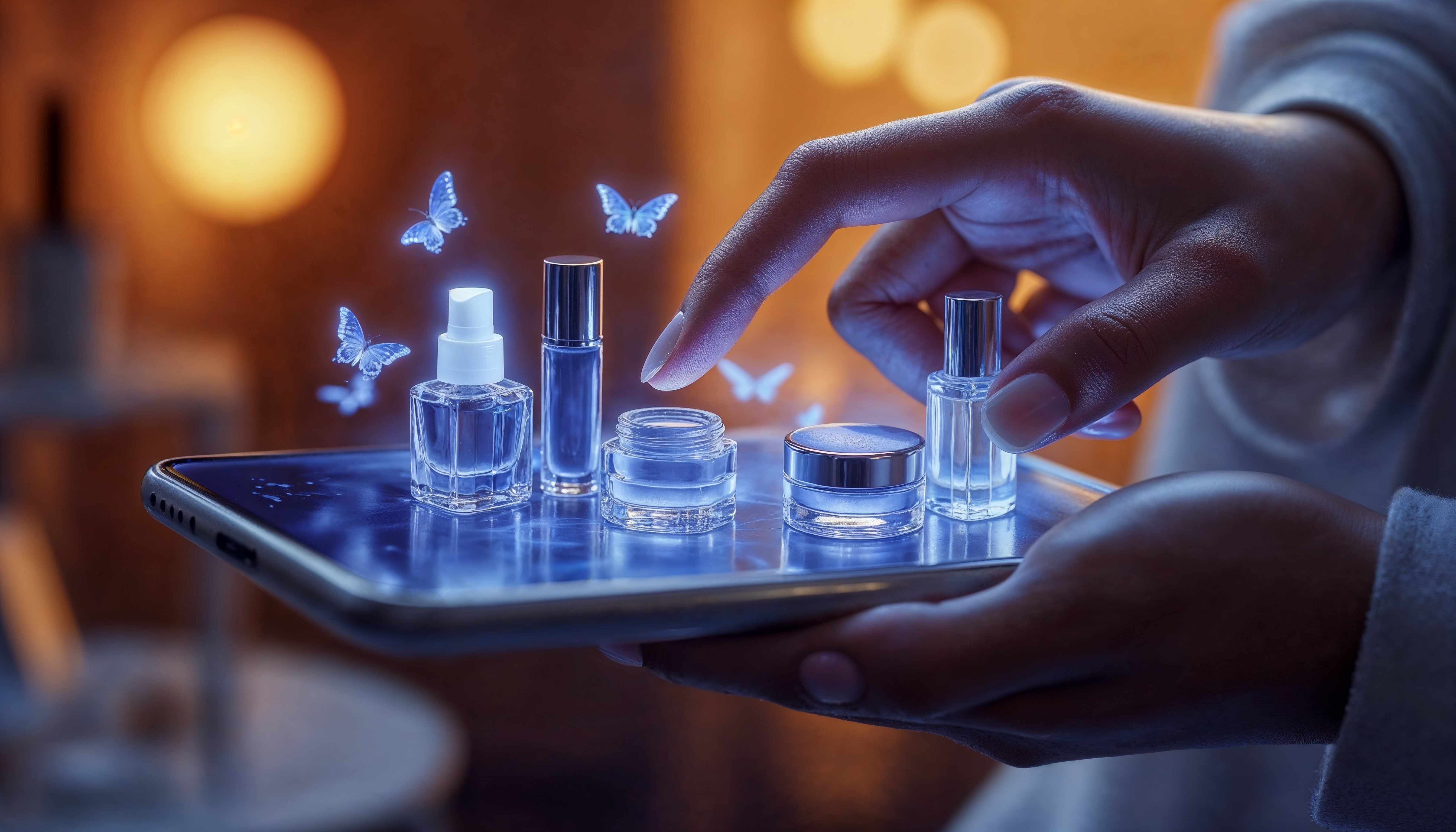
Innovation was a major theme, particularly with developments showcased at CES 2026, the world’s premier consumer technology event. Beauty groups such as L’Oréal and Amorepacific revealed infrared diagnostic tools and AI-driven beauty technologies, emphasizing the growing importance of data, skin science and personalised solutions in product development. Kolmar Korea’s Best of Innovation Award highlighted how manufacturers are increasingly driving proprietary technology rather than just scaling production.
Outside the cosmetics sector, artificial intelligence is also making inroads into consumer health. OpenAI’s ChatGPT Health launch underscores the accelerating integration of AI into diagnostics and preventative wellness, with potential implications for personal care and health-related beauty services.
Regulation continued to influence the industry’s direction. In the United States, the FDA moved to reduce oversight of health and fitness wearables, a decision that could speed up connected device development while increasing the onus on companies to ensure accuracy, safety and data governance. At the same time, the agency identified data gaps in PFAS usage after mandated cosmetics safety reviews, reinforcing that ingredient scrutiny and long-term health impact remain central concerns.
Consumer retail strategies also shifted, with major retailers recalibrating offerings around health-led categories. Target’s expansion of its wellness assortment by 30% and the nationwide rollout plans for Rare Beauty at Ulta Beauty, along with Lemme’s expansion into Walmart, illustrate how brand growth is increasingly tied to strategic retail partnerships.
In contrast, some brands are stepping back from direct-to-consumer sales as part of operational refocusing. Meanwhile, developments such as Beiersdorf’s NIVEA Creme line extension in Germany and Shiseido’s new optical measurement research show that investment in innovation and R&D remains a priority for leading groups.
Other notable moves included executive changes across major companies, asset transactions such as Coty’s sale of its remaining Wella stake to KKR, and high-profile investments like Claudia Schiffer joining Healf as an investor and women’s health ambassador.
Taken together, the first-week review underscores an industry navigating complexity, where success increasingly depends on strategic focus, regulatory credibility and continued innovation.
Source: Global Cosmetics News