







Growing concerns over the environmental impact of plastics and their potential risks to human health are accelerating efforts to develop biodegradable alternatives. In this context, researchers at Flinders University in South Australia have reported a new biodegradable plastic film made from natural components that can fully disintegrate in soil within a relatively short period.
According to a study published in the journal Polymers, the research team produced a thin biodegradable film by blending calcium caseinate,a widely available material derived from casein, the main protein in milk, with modified starch and bentonite nanoclay. Glycerol and polyvinyl alcohol (PVA) were added to enhance the film’s mechanical strength and flexibility.
Complete Disintegration Observed Within Approximately 13 Weeks
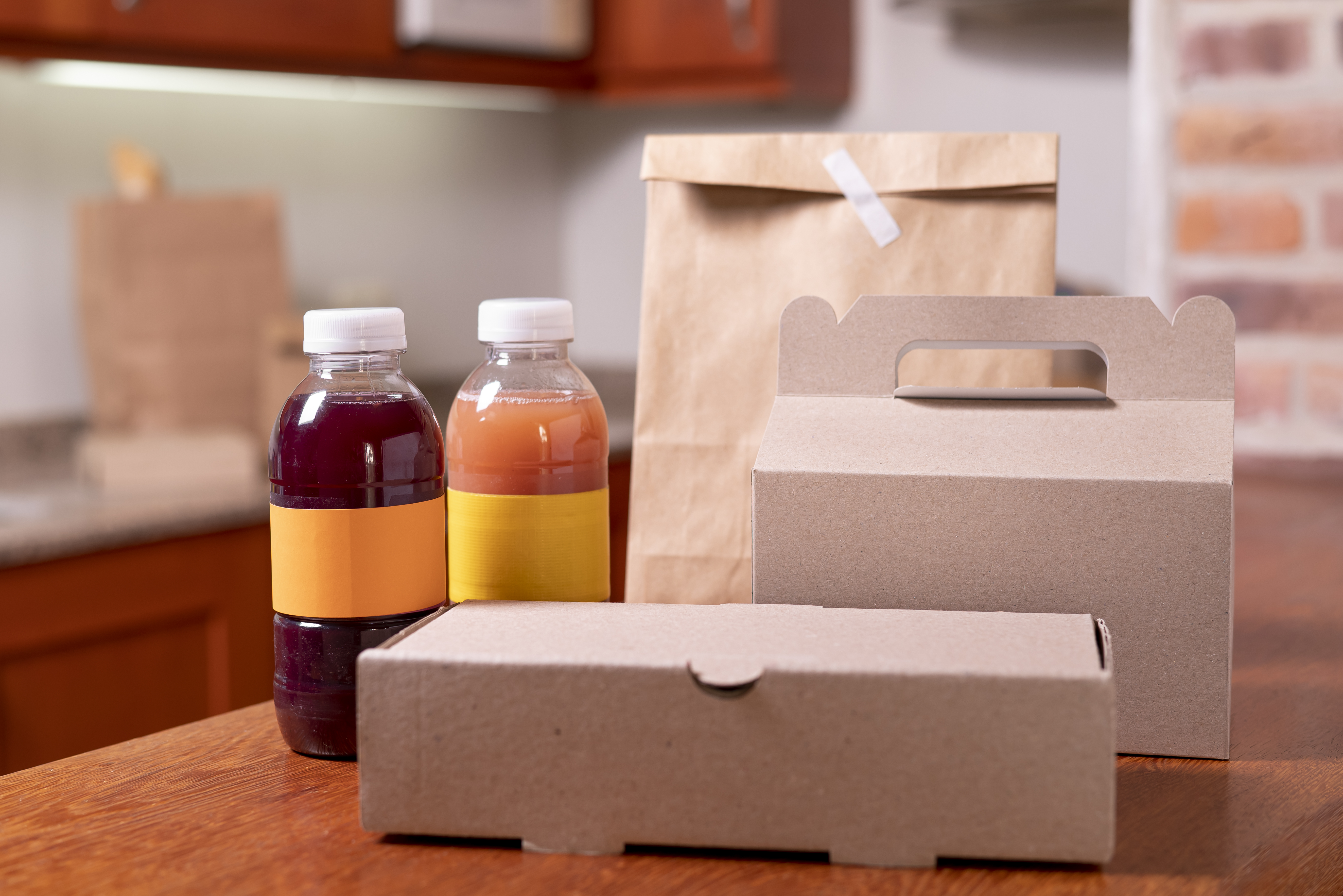
The researchers evaluated the biodegradability of the material under normal soil conditions. Test results indicated a steady degradation process, with the film expected to fully disintegrate in around 13 weeks. The study suggests that this type of formulation could support the development of more sustainable alternatives for single-use applications, particularly food packaging.
Microbial Testing Indicates Lower Toxicity Potential
The research also included microbial assessments. Although the film was not designed as an antimicrobial material, bacterial colony levels were found to remain within acceptable limits for biodegradable films, indicating lower toxicity potential. The researchers, however, recommended additional antibacterial evaluations during further testing and product development.
International Collaboration
The study was conducted through a collaboration between Flinders University and chemical engineering researchers from Universidad de Bogotá Jorge Tadeo Lozano in Colombia. The team noted that caseinate-based formulations can be used to produce polymer films similar to conventional packaging materials, while natural additives such as starch and nanoclays may improve the film’s strength and barrier properties.
Rising Plastic Production Increases Urgency
The researchers also highlighted the broader challenge posed by rising plastic production and chemical additives commonly used in plastics. They noted that plastics can contain thousands of chemicals, including dyes and flame retardants, some of which may be toxic or carcinogenic. The OECD has projected that without strong global action, plastic production could increase by 70% between 2020 and 2040, potentially exceeding 700 million metric tons per year. As a result, the development of biodegradable alternatives for food packaging and other single-use plastics is becoming increasingly important.
Source: SciTechDaily