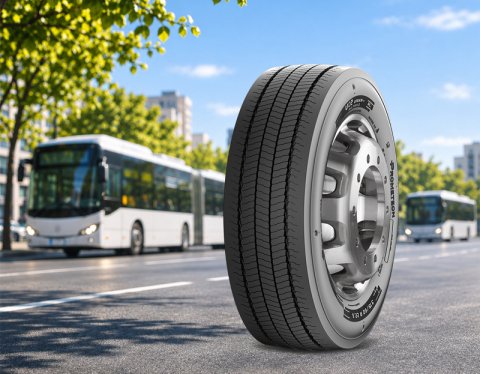





As temperatures decline, precipitation increases, and road surfaces change, preparing vehicles for winter conditions becomes critical. LASİD reminded motorists to adhere to local regulatory announcements and equip their vehicles with seasonally appropriate tires.
Erdal Kurt: “Winter Tires Are Not Only Needed When It Snows”
Addressing the common misconception that winter tires are necessary solely during snowfall, LASİD Secretary General Erdal Kurt stated:
“When ambient temperatures drop below 7°C, the rubber compounds of summer tires can harden. Thanks to their specialized rubber compounds and tread patterns, winter tires maintain road grip in cold weather conditions. Consequently, winter tires help keep the vehicle under control across wet, snowy, and icy surfaces, contributing to safe traffic flow.
Tires are the vehicle's only point of contact with the road. Therefore, using seasonally appropriate tires is one of the fundamental pillars of driving safety. Our recommendation to drivers is to prepare their vehicles by considering weather conditions rather than waiting for the mandatory enforcement date. Replacing tires on time, checking tread depth and air pressure, and selecting the right tire with expert support are of great importance. Let us remember that traffic safety is a shared responsibility for all of us, not just the driver.”
LASİD’s 7 Winter Preparation Recommendations for Drivers
Replace all four tires together: Equip all four wheels with suitable winter tires to ensure balanced traction and driving stability.
Check tread depth: Have tread depth, wear patterns, and overall condition inspected by specialists, noting that uneven wear can degrade winter performance even above legal limits.
Inspect tire age and condition: Check manufacturing dates, storage history, cracks, and deformations, keeping in mind that even unused tires lose their physical properties over time.
Monitor air pressure: Check tire pressures regularly against manufacturer specifications, as cold weather directly lowers inflation pressure.
Select the right tire: Choose tires matching the vehicle manufacturer's specified dimensions and load-speed ratings, bearing proper winter markings.
Prepare the entire vehicle: Inspect the battery, braking system, wipers, windshield washer fluid, lighting, and essential safety gear.
Adapt driving habits to road conditions: Increase following distances, avoid sudden braking or sharp maneuvers, and adjust speed according to weather and surface conditions.