






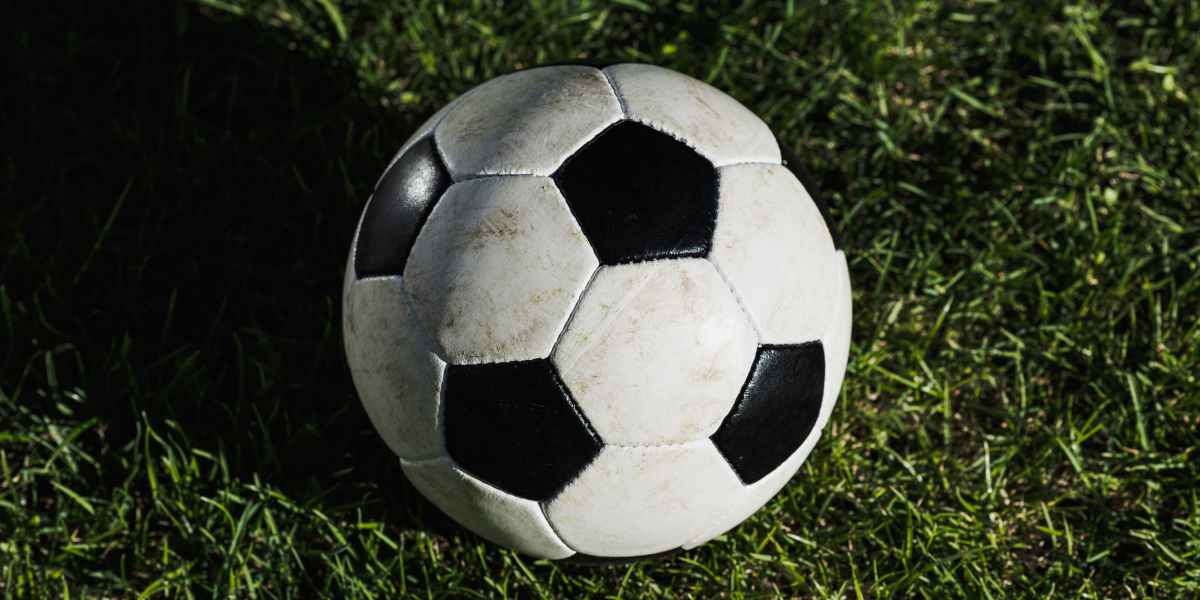
A 90-minute match is filled with moments that defy expectations: the way a ball glides through the air, escapes a goalkeeper’s fingertips, or curves incredibly during a free kick. These aren't just results of a player's skill; they are the outcome of a millisecond-long chemical interaction between the boot and the ball. The revolution that brought football to its modern speed didn't come from the cleats, but from the Polyurethane (PU) layer on the surface of the ball.
From Traditional Leather to Synthetic Polymers: What Changed?
Until the 1970s, professional footballs were made of genuine leather. However, leather is naturally porous. During a rainy match, a leather ball would absorb water, increasing its weight by up to 25% and completely ruining its aerodynamics.
The introduction of Polyurethane in the 1980s changed the destiny of the game. PU is a thermoset polymer that provides several key advantages in football production:
-
Hydrophobic Structure: Polyurethane is waterproof. The ball maintains its original weight from the first minute to the last, even under heavy rain.
-
Elastic Memory: Unlike leather, which stretches and deforms over time, PU layers return to their original shape milliseconds after impact (High-rebound property).
-
Low Friction Coefficient: PU surfaces can be smoothed at a molecular level to minimize air resistance.
The Chemistry of Speed: The Power of Layers
A modern football is more than just a "balloon." It usually consists of four main layers, with the star being Thermoplastic Polyurethane (TPU) or Synthetic PU.
-
Outer Layer (PU): Determines the ball's touch, gloss, and abrasion resistance.
-
Cushioning Layer (Syntactic Foam): Composed of millions of gas-filled micro-cells, this layer converts the energy of the kick into pure speed. The density of the polyurethane foam is the primary factor in how "lively" the ball feels.
-
Support Layer: Usually made of polyester, this layer ensures the ball retains its spherical shape.
-
Bladder: The inner core made of butyl or latex that holds the air.
Why is it Faster? (When Physics Meets Chemistry)
There is a scientific reason why polyurethane-coated balls are faster: Low Hysteresis Loss.
At the moment of impact, the ball compresses slightly. In leather balls, a portion of this energy was lost as heat during deformation. However, high-quality polyurethane molecules return this energy with very little loss. The result? The energy from the player's foot is directly converted into kinetic energy (speed). Today, the velocity of a ball is approximately 15-20% higher than the leather balls used in the 1960s.
The Future of the Pitch: Sustainable Polyurethane
Today, global leaders like Adidas and Nike are chasing more than just speed; they are pursuing sustainability. At Chemex World, the latest trend we are tracking is the development of bio-based polyurethanes and water-based (solvent-free) production technologies. Now, footballs are not only faster but also more environmentally friendly.