






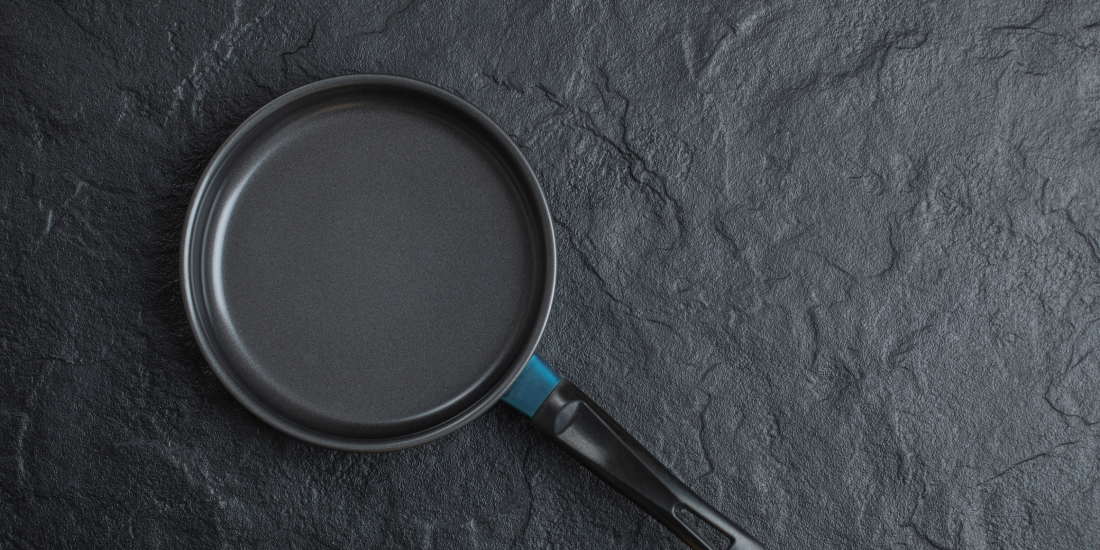
1. Teflon (PTFE): Myths and Chemical Realities
Teflon is actually a polymer called Polytetrafluoroethylene (PTFE). It is one of the solid substances with the lowest coefficient of friction.
-
When Does the Health Risk Begin? PTFE is stable under normal use (below 260°C). However, if a pan is left forgotten on the stove while empty and exceeds 300°C, the polymer chains begin to break down, releasing toxic gases that cause a condition known as "polymer fume fever."
-
The PFOA Issue: As of 2026, PFOA (a processing aid proven to be carcinogenic) is no longer used in most high-quality brands. However, this risk may still persist in your older pans.
2. Granite-Look Pans: What Are They Really?
Contrary to popular belief, "granite" pans usually have nothing to do with real stone. These are typically PTFE or ceramic coatings with a granite-patterned finish.
-
Lifespan: The lifespan of these pans depends on the thickness of the coating layer. When metal spoons scratch these micro-layers, the underlying aluminum body begins to come into contact with food.
-
Health: Ceramic-based versions labeled "PFOA Free" are more stable at high temperatures compared to traditional Teflon.
3. Cast Iron: The Lifelong and Non-Chemical Solution
The only true non-stick surface that does not contain a chemical coating is a cast iron pan that has been properly "seasoned."
-
The Chemical Process: At high heat, oil undergoes polymerization on the cast iron surface. In other words, the vegetable oil enters the pores of the iron and creates a natural, hard protective layer similar to plastic.
-
Health: It can provide a small amount of iron transfer to meals, which is an advantage for those with iron deficiency. It contains zero synthetic chemicals.
Decision Matrix: Which One Should You Choose?
| Feature | Teflon (PTFE) | Granite (Ceramic/PTFE) | Cast Iron |
| Chemical Lifespan | 1-2 Years | 2-3 Years | 100+ Years |
| Heat Resistance | Medium (Sensitive) | High | Very High |
| Non-Stick Quality | Excellent | Good | Mid-Good (Needs care) |
| Health Risk | Risky at extreme heat | Risky if scratched | Completely safe |