





Jeans may come in many different colors today, but blue remains by far the most common worldwide. The reason goes much deeper than shifting fashion trends. The origins of denim date back more than a century, when jeans were designed not for style, but as a durable solution for workers in demanding conditions.
Harsh Working Conditions Shaped the Color
Early wearers of denim included miners, farmers, and factory workers facing tough environments. At the time, clothing was expected to be long-lasting and resistant to wear and tear. Blue emerged as the most practical option. In fact, the choice of denim’s signature shade is described as “not merely an aesthetic preference or a fashion trend, but the result of chemistry and harsh working conditions.”
The Advantage of Indigo Dye: Fading Creates Character
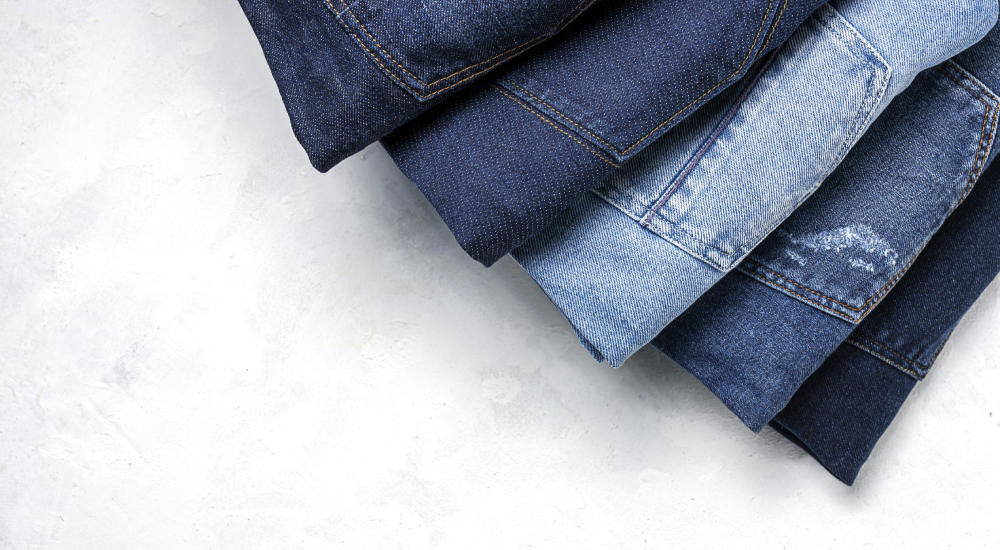
The key reason denim turned blue lies in indigo dye. Unlike most dyes that fully penetrate fabric, indigo clings only to the surface of the threads. This unique bonding creates the well-known fading effect over time, giving each pair of jeans a distinct, personal look while enhancing the perception of durability. As one description puts it, “the imperfect chemical way indigo attaches to fabric is what made jeans one of the most durable and beloved garments in the world.”
Blue Also Helped Hide Dirt
Another practical reason behind denim’s popularity was simple: blue fabric hides dirt and stains more effectively. For workers in physically demanding jobs, this made jeans a far more functional everyday choice. Over time, what began as a practical decision evolved into a cultural symbol, firmly establishing classic blue as the standard color of denim.
Although jeans are now produced in countless shades, blue continues to define denim’s identity. More than a style statement, it remains the lasting legacy of craftsmanship, durability, and material science coming together over generations.