





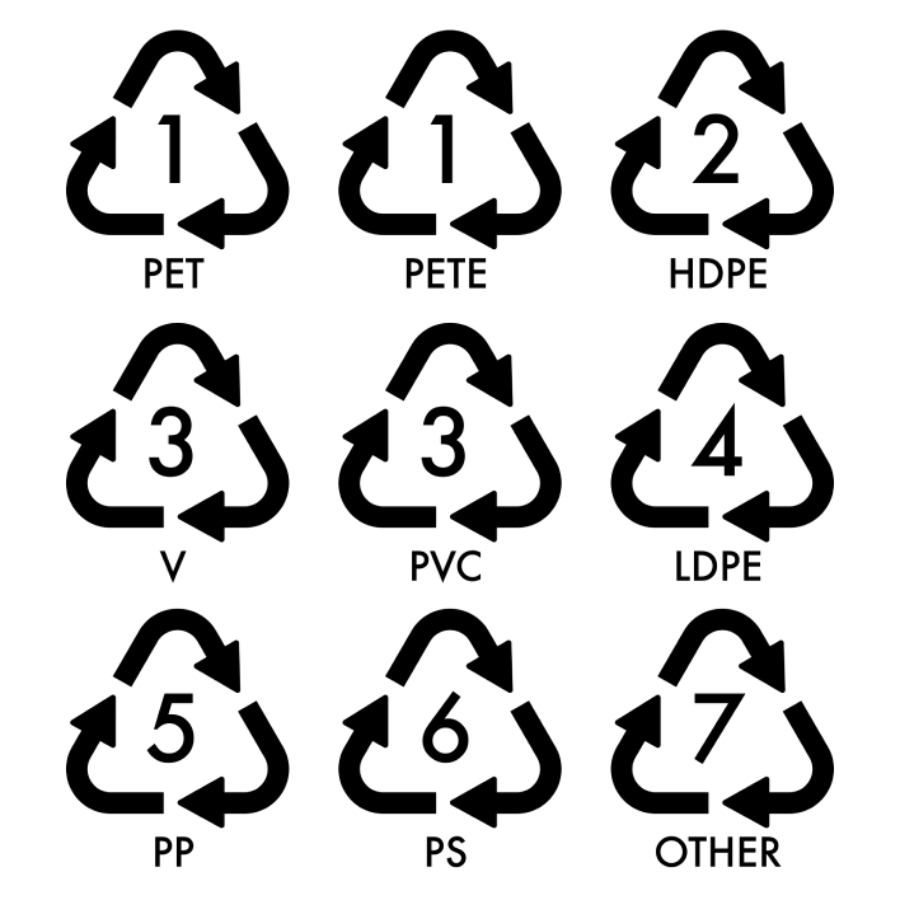
While plastic containers are indispensable in our kitchens, not all plastics serve the same purpose. The small numbers inside a triangle located at the bottom of a water bottle or a storage container are actually the chemical identity cards of that plastic. These numbers indicate which polymer the plastic is made of and how suitable it is for heat, food contact, or reuse.
Plastic Codes and Their Meanings: The Safety Scale
The numbers on plastics (Resin Identification Codes) determine the recycling process and chemical structure of that product. Here is a detailed analysis of those numbers:
Number 1: PET or PETE (Polyethylene Terephthalate)
Commonly used for water, juice, and oil bottles.
Feature: Designed for single-use only.
Risk: When reused or exposed to heat (like being left in a car), it can leach antimony and phthalates. It is recommended not to refill and reuse these bottles multiple times.
Number 2: HDPE (High-Density Polyethylene)
Found in milk jugs, detergent bottles, and some toys.
Feature: Considered one of the safest types of plastic.
Safety: Suitable for food contact; resistant to freezing and sunlight.
Number 3: PVC (Polyvinyl Chloride)
Used in cling films, hoses, and some plastic packaging.
Feature: Often referred to as "poison plastic."
Risk: It carries a high risk of leaching phthalates and lead into food. It is strictly not recommended for food storage, especially in contact with heat.
Number 4: LDPE (Low-Density Polyethylene)
Found in bread bags, frozen food packaging, and squeezable bottles (ketchup/mayo).
Feature: Flexible and relatively safe.
Safety: Does not pose a significant risk in contact with food, though it is harder to recycle.
Number 5: PP (Polypropylene) – The Kitchen Star
Found in yogurt containers, microwave-safe containers, and medicine bottles.
Feature: The most heat-resistant plastic.
Safety: Has a high melting point, making it considered the safest option for hot foods and liquids.
Number 6: PS (Polystyrene)
Disposable coffee cups, plastic plates, and egg cartons.
Feature: Lightweight but loses its structural integrity when heated.
Risk: Can leach styrene, a suspected carcinogen. Contact with hot beverages is risky.
Number 7: Other (BPA and Mixed Plastics)
Used in baby bottles, large water jugs (carboys), and electronic device parts.
Feature: Usually represents polycarbonates containing BPA (Bisphenol A).
Risk: It can release chemicals that disrupt the hormonal system; therefore, look for "BPA-Free" labels, especially in baby products.Comparative Summary Table: Which One to Use?
| Code | Polymer Name | Food Safety | Heat Resistance |
| 1 (PET) | Polyethylene | Single-use only | Low |
| 2 (HDPE) | High-Density PE | Safe | Medium |
| 3 (PVC) | Polyvinyl Chloride | Risky | Low |
| 4 (LDPE) | Low-Density PE | Safe | Medium |
| 5 (PP) | Polypropylene | Safest | High |
| 6 (PS) | Polystyrene | Risky | Very Low |
| 7 (OTHER) | Mixed / BPA | Use with Caution | Variable |
Essential Tips for Consumers
To prevent plastics from leaching chemicals, remember these three golden rules:
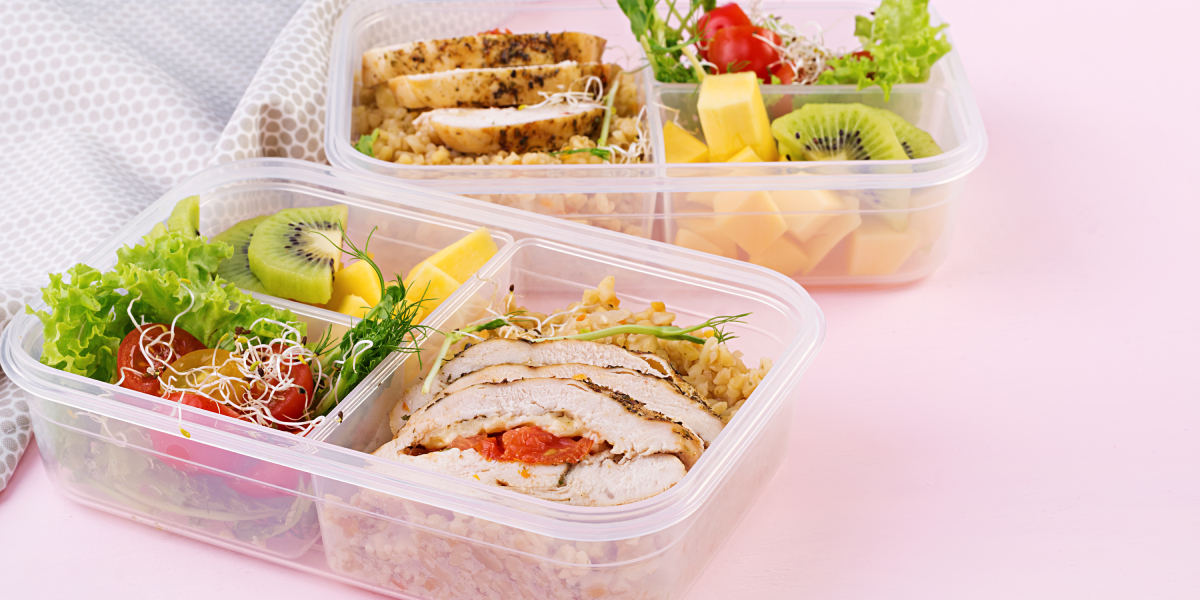
The Temperature Factor: When putting plastic containers in the microwave, always look for the "microwave-safe" label or the Number 5 (PP) code. Heat accelerates chemical dissolution.
Wear and Scratches: Stop using plastic containers that are scratched, discolored, or structurally compromised. Cracks provide a gateway for chemicals to migrate into food.
Oily Foods: Harmful substances in plastics (like phthalates) are more likely to dissolve in fat. It is always safer to store oily foods in glass or stainless steel containers.