





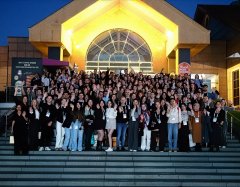

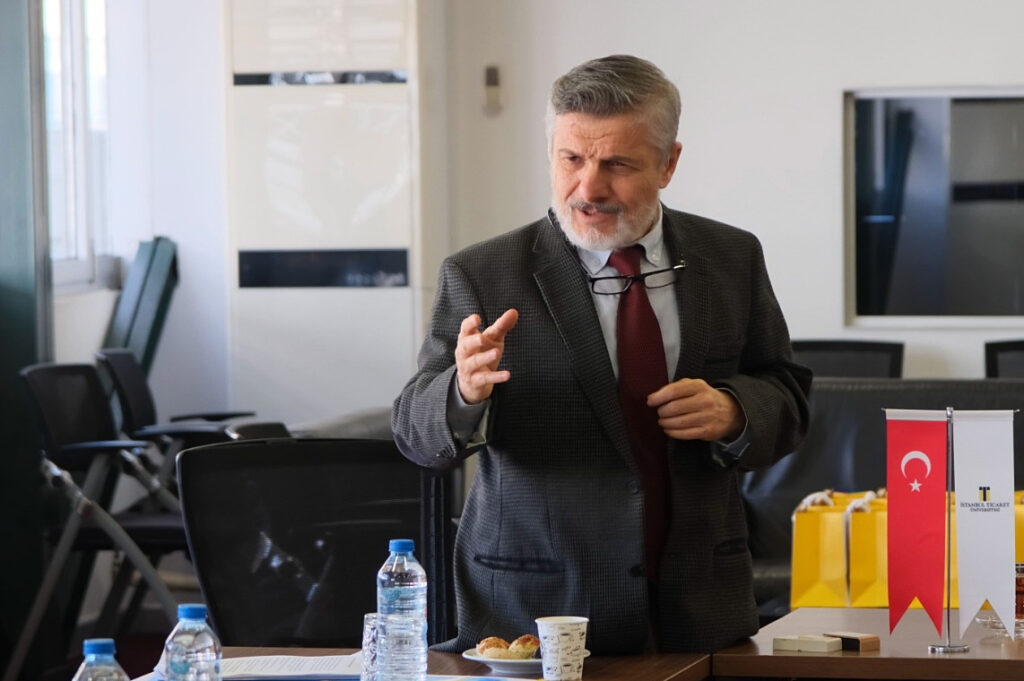
Istanbul Commerce University hosted the “Ecological Textiles and Slow Fashion Workshop” to assess the environmental impacts of the textile and ready-to-wear industry. Held at the university’s Hezarfen Campus in cooperation with the Center for Environmental and Natural Sciences Applications and Research and the Faculty of Architecture and Design, Department of Textile and Fashion Design, the event brought together academics and industry representatives to discuss sustainability-focused solutions.
Following the three-day workshop, a final declaration was published, outlining key assessments on the sector’s current status and future outlook. The declaration emphasized that overproduction and unplanned consumption in the textile and apparel industry place significant pressure on natural resources, underlining the need to restore the balance between production, consumption and actual needs.
Emphasis on Circular Economy and Slow Fashion
The declaration highlighted the importance of improving recycling infrastructure, extending product life cycles and transitioning to sustainable production and consumption models, noting that a circular economy approach has become a critical direction for the sector. It also stated that slow fashion is no longer merely a trend but has become an environmental necessity.
In addition, the declaration noted that new technologies such as ozone, laser and ultrasonic washing can play an important role in reducing water and energy consumption. In terms of social sustainability, it stressed that issues such as child labor and working conditions should be addressed more strongly through international regulations.
The workshop was attended by academics from various universities as well as representatives from companies operating in the textile and chemical sectors and civil society organizations. Discussions throughout the event also underlined that sustainability should be adopted not only in production processes but also in everyday lifestyles.
Source: Anadolu Agency (AA)